








Destinations & Experiences
Why Tanzania’s Serengeti Is Still the World’s Greatest Safari Destination
Why Tanzania’s Serengeti Is Still the World’s Greatest Safari Destination
Tanzania’s Serengeti remains the world’s greatest safari destination for good reason. This legendary park delivers an unmatched wildlife experience that continues to set the gold standard for African safari adventures.
This guide is for travelers planning their first African safari, seasoned wildlife enthusiasts comparing destinations, and anyone wondering what makes the Serengeti so special. We’ll explore why this Tanzania wildlife viewing hotspot stands above the competition.
You’ll discover the incredible wildlife diversity that makes every game drive unforgettable and learn about the Great Migration spectacle – nature’s most dramatic annual event featuring over two million wildebeest. We’ll also cover the park’s diverse ecosystems that pack multiple safari experiences into one destination, from endless grasslands to riverine forests.
The Serengeti National Park safari experience combines raw wilderness with accessibility, offering world-class infrastructure that brings you closer to Africa’s most iconic animals without compromising the authentic bush experience.
Unmatched Wildlife Diversity and Density

Over 2 million wildebeest creating the world’s largest animal migration
The Serengeti’s claim to fame rests on its staggering wildebeest population, which forms the backbone of the planet’s most spectacular wildlife phenomenon. These 2 million ungulates don’t just wander aimlessly—they follow ancient migratory routes that have remained unchanged for thousands of years. During peak migration periods, the sheer density of animals creates black rivers of movement across the golden grasslands, stretching as far as the eye can see.
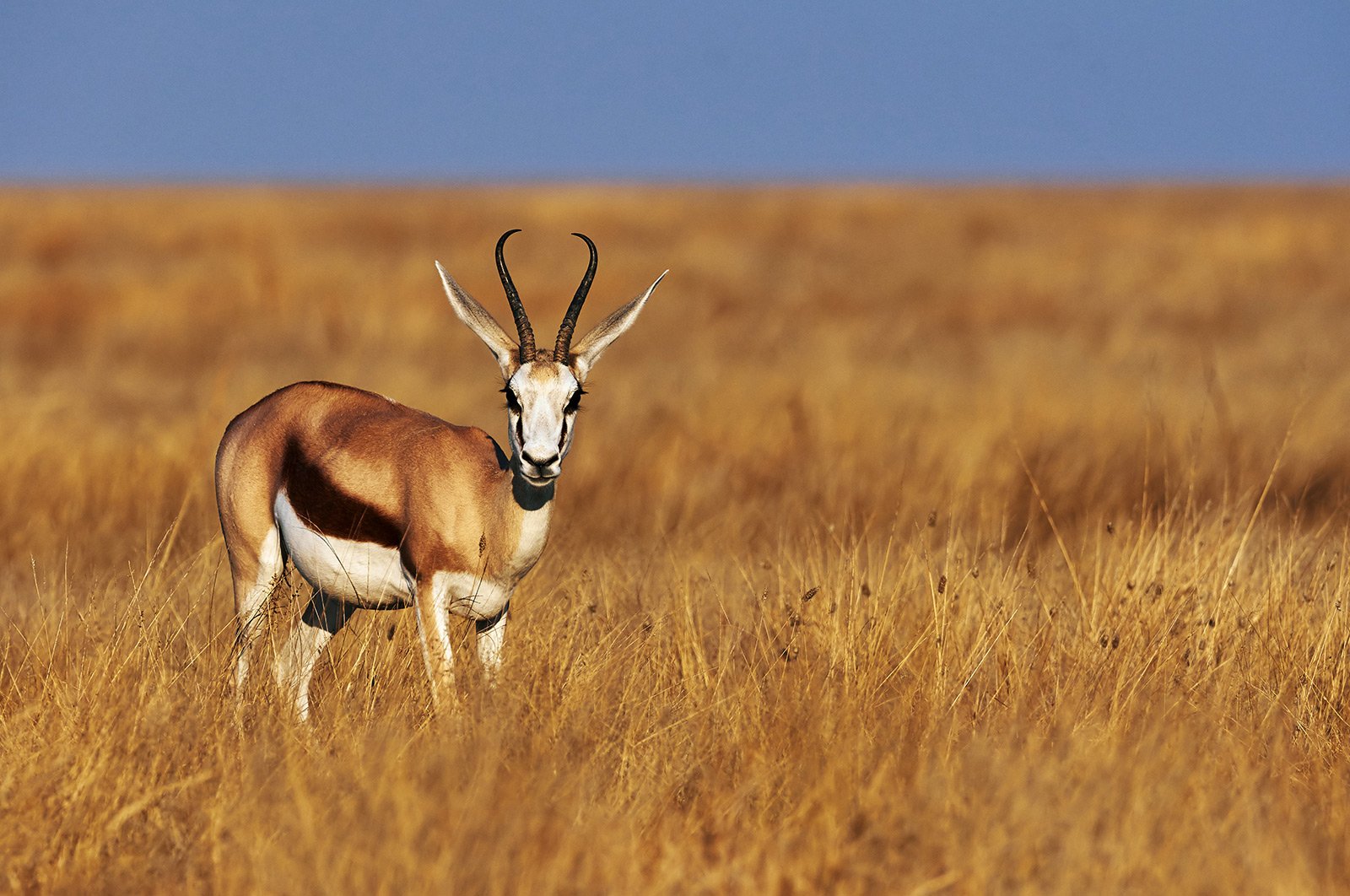
What makes this migration truly extraordinary is the supporting cast. Alongside the wildebeest travel approximately 200,000 zebras and 300,000 Thomson’s gazelles, creating a natural convoy that spans hundreds of square kilometers. This massive concentration of herbivores naturally attracts predators, making every game drive a potential front-row seat to nature’s most dramatic performances.
Big Five animals concentrated in accessible viewing areas
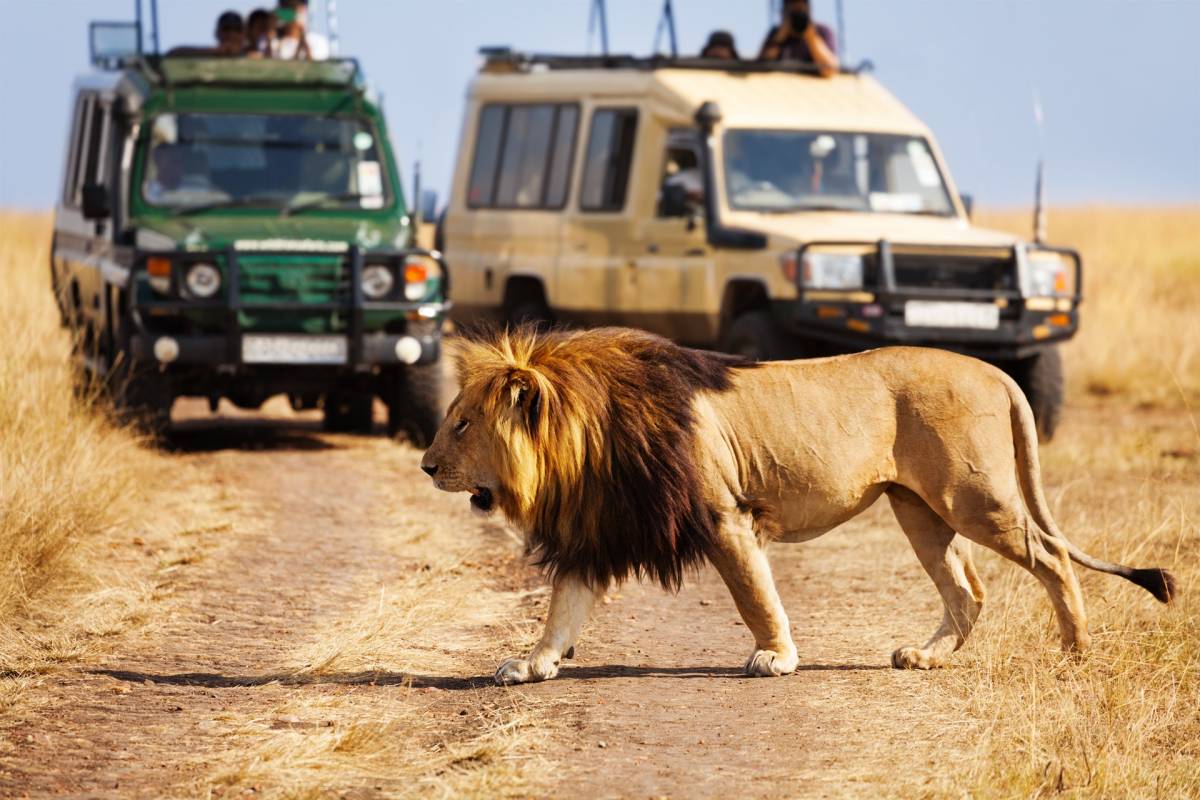
Tanzania’s Serengeti delivers the complete Big Five experience with remarkable accessibility. Lions thrive here in some of Africa’s highest densities, with over 3,000 individuals roaming the park. The Seronera Valley alone hosts multiple prides that have become accustomed to safari vehicles, offering intimate viewing opportunities year-round.
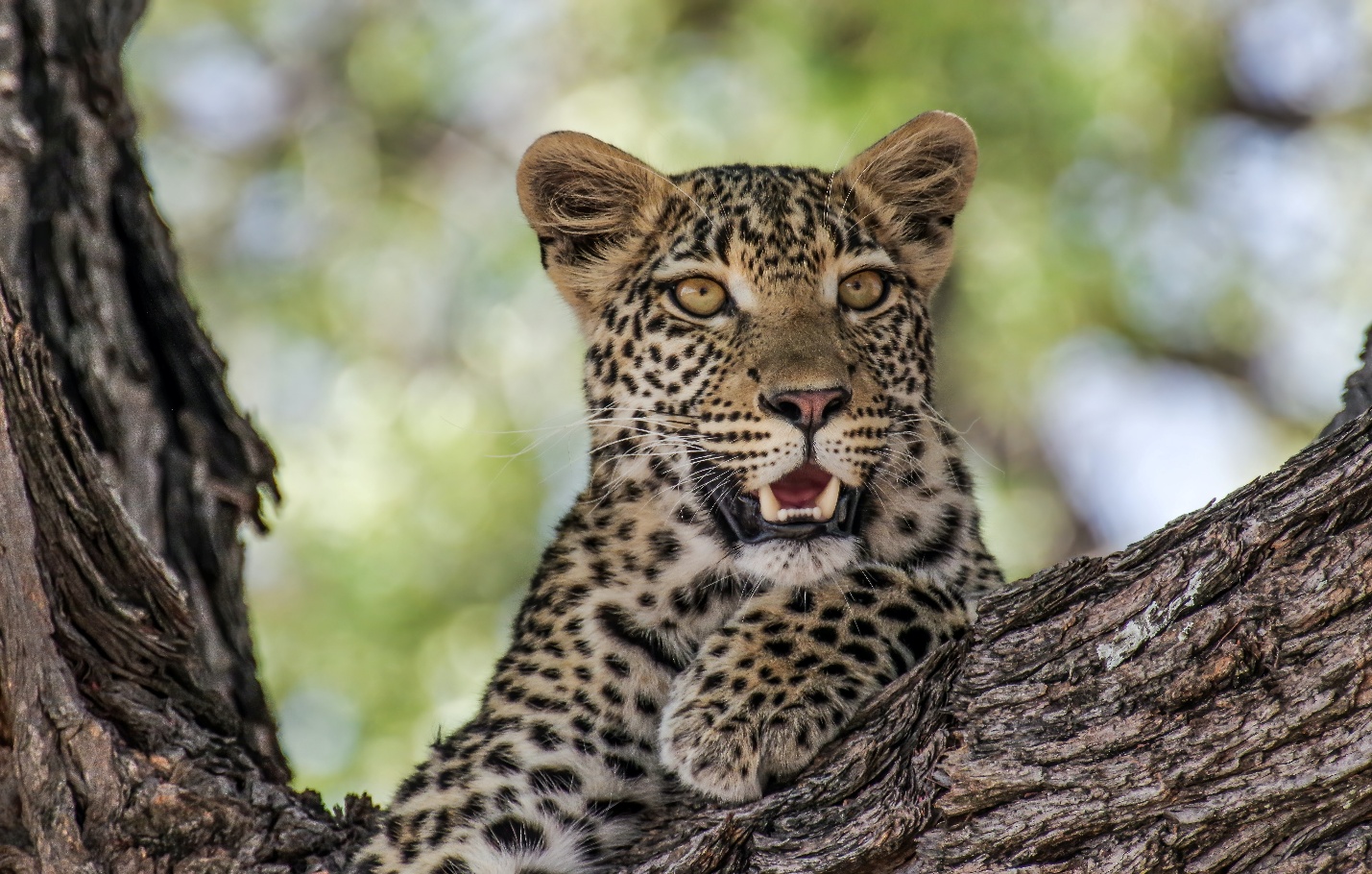
Leopards, often the most elusive of the Big Five, are surprisingly visible in the Serengeti’s kopjes (rocky outcrops) and along the Seronera River. These granite formations provide perfect ambush points and resting spots, making leopard sightings more predictable than in many other African destinations.
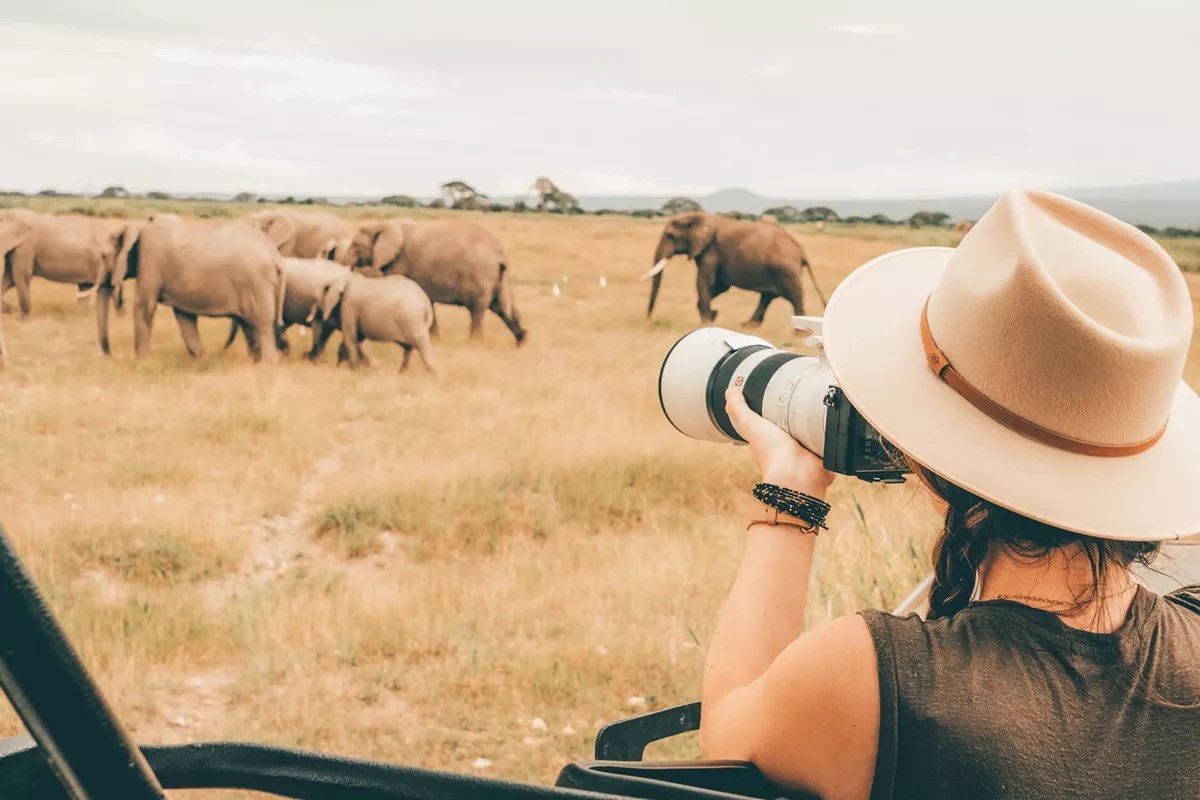
The park’s elephant population has rebounded significantly, with herds frequently spotted near permanent water sources and in the northern woodlands. Black rhinos, while rare, can be found in the remote Moru Kopjes area, where a small but stable population persists under careful protection.
Buffalo herds numbering in the thousands move throughout the ecosystem, often providing dramatic predator-prey encounters that showcase the raw power of African wildlife.
500+ bird species offering unparalleled birdwatching opportunities
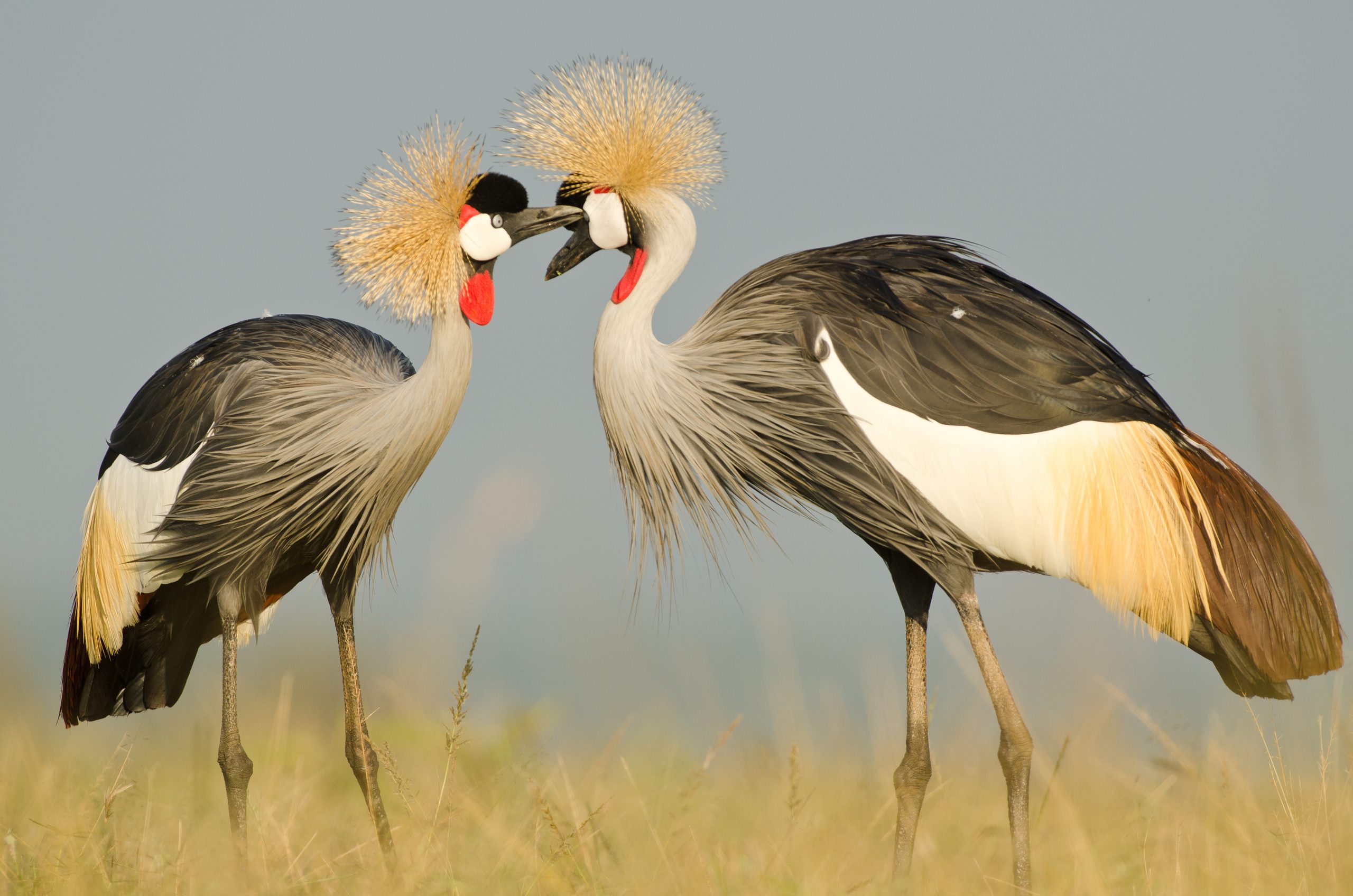
The Serengeti’s diverse habitats support an incredible avian community that rivals any birding destination worldwide. From the massive Kori bustards strutting across the plains to the colorful lilac-breasted rollers perched on acacia trees, the park delivers constant surprises for bird enthusiasts.
Raptors dominate the skies with exceptional variety—martial eagles, tawny eagles, and secretary birds hunt the grasslands while vultures follow the Great Migration herds. The riverine forests harbor different species entirely, including African fish eagles, kingfishers, and various hornbill species.
Migration periods bring additional excitement as Palearctic migrants join resident species, creating birding opportunities that change dramatically with the seasons. Wetland areas attract spectacular concentrations of flamingos, pelicans, and various stork species.
Predator-prey interactions visible year-round
The Serengeti’s ecosystem dynamics create unmatched opportunities to witness natural behaviors throughout every season. Lions coordinate complex hunts, often targeting specific prey based on seasonal abundance and vulnerability. During calving season, predators focus on newborn wildebeest, creating intense but natural drama.
Cheetah hunts unfold across open plains where their speed advantage maximizes success rates. Hyena clans demonstrate complex social structures while competing for kills with other predators. Wild dogs, though less common, provide some of Africa’s most exciting chase sequences when encountered.
These interactions aren’t random occurrences—they follow predictable patterns tied to prey movements, weather conditions, and seasonal cycles, giving safari-goers excellent chances to witness Africa’s most compelling wildlife stories.
The Great Migration Spectacle

Dramatic River Crossings with Crocodile Encounters
The Mara River crossings represent nature’s most dramatic theater, where life and death decisions play out in heart-stopping moments. Every year, over 1.5 million wildebeest and 200,000 zebras face their greatest challenge as they plunge into crocodile-infested waters during the Serengeti Great Migration. These ancient predators, some measuring over 16 feet long, have been waiting patiently for months, knowing exactly when their annual feast will arrive.
What makes these crossings so extraordinary is the raw emotion and survival instinct on display. Wildebeest gather in massive herds along the riverbank, sometimes for days, building courage for the deadly plunge. When one brave animal finally takes the leap, thousands follow in a thunderous stampede that shakes the ground. The chaos is indescribable—animals tumbling over each other, mothers calling for separated calves, and the ever-present threat of massive crocodiles launching from the water with explosive force.
Tanzania wildlife viewing reaches its peak intensity during these crossings, which typically occur between July and September. The timing varies each year based on rainfall patterns, but experienced guides know exactly where to position safari vehicles for the most spectacular views. Some crossings last mere minutes, while others can stretch for hours, creating an emotional rollercoaster that leaves even seasoned safari-goers in tears.
Calving Season Delivering 400,000 Newborns in Three Weeks
The Serengeti’s calving season transforms the southern plains into the world’s largest maternity ward. Between January and March, approximately 400,000 wildebeest calves are born in just three weeks—that’s roughly 8,000 births per day. This synchronized birthing strategy isn’t coincidence; it’s evolutionary brilliance that has kept the species thriving for millennia.
The timing coincides perfectly with the area’s nutritious grass growth, providing nursing mothers with calcium-rich vegetation essential for milk production. These young calves must learn to walk within minutes of birth, as the herd never stops moving. Within days, they’re running alongside their mothers, already displaying the resilience that will carry them through their first migration.
This period offers Serengeti safari tours an unparalleled opportunity to witness life’s most tender moments. Predators like lions, cheetahs, and hyenas follow the herds closely, knowing that vulnerable newborns provide easier hunting opportunities. The constant tension between new life and lurking death creates an emotional intensity that makes the Tanzania Serengeti safari experience unforgettable.
Wildlife photographers and videographers consider this the holy grail of safari experiences. The sight of thousands of young calves taking their first wobbly steps across the endless plains, with their protective mothers standing guard, represents nature’s incredible capacity for renewal and hope.
Predictable Timing Allowing Optimal Safari Planning
Unlike many wildlife spectacles that happen randomly, the Great Migration wildebeest movement follows remarkably predictable patterns that make the world’s greatest safari experience accessible to travelers. This reliability stems from the animals’ deep connection to seasonal rainfall patterns and grass growth cycles that have remained consistent for thousands of years.
The migration follows a clockwise route through the Serengeti ecosystem:
- December-March: Southern Serengeti calving season
- April-May: Western corridor movement begins
- June-July: Mara River crossing preparations
- August-October: Northern Serengeti and Masai Mara
- November: Return journey south begins
Serengeti National Park safari operators use this predictability to craft specialized itineraries targeting specific migration events. River crossing safaris focus on July through September, while calving season trips concentrate on January through March. This scheduling precision means travelers can choose their preferred spectacle rather than hoping to stumble upon wildlife activity.
Weather patterns and grass growth do create slight variations from year to year, but experienced guides monitor herd movements through radio networks and aerial reconnaissance. This real-time intelligence ensures Serengeti safari tours can adapt quickly to deliver optimal wildlife encounters. The migration’s predictability, combined with flexible safari planning, makes Tanzania’s Serengeti the most reliable destination for witnessing one of nature’s greatest phenomena.
Diverse Ecosystems Within One Destination

Endless grasslands perfect for spotting large herds
The Serengeti’s legendary grasslands stretch beyond the horizon like a golden ocean, creating the perfect stage for Africa’s most incredible wildlife spectacle. These vast open plains cover thousands of square kilometers, offering unobstructed views that make game viewing absolutely exceptional. During peak season, you’ll witness massive herds of wildebeest, zebras, and gazelles dotting the landscape as far as the eye can see.
The short-grass plains in the southeastern Serengeti become particularly magical between December and May. Here, pregnant wildebeest gather to give birth, creating nursery grounds where thousands of calves take their first steps. The open terrain makes predator-prey interactions incredibly visible – lions, cheetahs, and hyenas have nowhere to hide, giving visitors front-row seats to nature’s most dramatic moments.
These grasslands also showcase the Serengeti’s incredible biodiversity beyond the famous migration. Resident wildlife thrives year-round, including massive elephant herds, graceful giraffes browsing acacia trees, and countless antelope species. The flat terrain and minimal vegetation create ideal conditions for photography, allowing for those iconic African safari shots with animals silhouetted against endless skies.
Kopjes providing unique rock formations and leopard sightings
Scattered across the Serengeti like ancient monuments, granite kopjes rise dramatically from the plains, creating some of Tanzania’s most distinctive landscapes. These massive rock outcrops, formed over millions of years, serve as crucial wildlife habitats and offer visitors completely different safari experiences within the same destination.
Leopards have claimed these rocky fortresses as their kingdom. The kopjes provide perfect hunting grounds, elevated lookout points, and secure denning sites for these elusive cats. Early morning and late afternoon game drives around kopje clusters often reward patient visitors with spectacular leopard sightings – watching these powerful predators navigate the rocks with incredible agility never gets old.
The rocks create unique microclimates that support specialized plant communities you won’t find on the open plains. Fig trees take root in rock crevices, their fruits attracting baboons, birds, and even elephants during dry seasons. Rock hyraxes scamper across the granite surfaces, while klipspringers – tiny antelopes perfectly adapted to rocky terrain – leap between boulders with remarkable precision.
Each kopje tells its own story. Some harbor ancient rock paintings, others serve as lion pride territories, and many become temporary homes for cheetahs seeking elevated hunting positions. The interplay between wildlife and these geological wonders creates photo opportunities unlike anywhere else on earth.
Riverine forests hosting different species and cooling shade
Threading through the Serengeti like green ribbons, riverine forests create lush corridors that contrast beautifully with the surrounding grasslands. These gallery forests follow seasonal and permanent waterways, supporting completely different wildlife communities and providing crucial dry-season refuges for countless species.
The Grumeti and Mara Rivers support the most extensive riverine forests, where towering fig trees, fever trees, and dense undergrowth create cathedral-like canopies. These forests buzz with life – over 500 bird species call the Serengeti home, and many concentrate in these wooded areas. Colorful bee-eaters, hornbills, and kingfishers create a symphony of sounds while monkeys crash through the branches overhead.
During the hottest months, these forests become essential cooling stations for large mammals. Elephants strip bark from trees and create natural paths, while hippos emerge from rivers to graze in forest clearings during nighttime. The shade and moisture support unique plant species, including wild fruits that attract forest-dwelling animals rarely seen on the open plains.
Walking safaris through riverine forests offer intimate wildlife encounters impossible in vehicles. The confined spaces mean closer animal observations, while the diverse vertical habitat layers – from ground-dwelling species to canopy birds – showcase the Serengeti’s incredible ecological complexity within a single morning’s exploration.
Seasonal lakes attracting flamingos and waterbirds
The Serengeti’s seasonal lakes transform the landscape into a waterbird paradise during rainy seasons, creating temporary wetland ecosystems that attract millions of migratory birds. Lake Ndutu and Lake Masek become the stars of this show, their alkaline waters supporting massive blooms of blue-green algae that fuel incredible food chains.
When conditions align perfectly, these lakes host spectacular flamingo congregations. Both lesser and greater flamingos arrive in waves, sometimes numbering in the hundreds of thousands. The sight of pink clouds rising from shimmering lake surfaces ranks among Africa’s most breathtaking natural phenomena. Their feeding creates ripple effects throughout the ecosystem – flamingo waste fertilizes surrounding grasslands, supporting the very vegetation that feeds migrating herds.
Beyond flamingos, these seasonal waters attract over 100 waterbird species. Pelicans arrive in massive formations, while countless ducks, geese, and shorebirds create bustling avian cities. Fish eagles patrol the skies, and marabou storks wade through shallows hunting for easy meals.
The lakes’ temporary nature makes timing crucial for visitors. During peak water levels, the bird diversity explodes, but as lakes recede, concentrated wildlife creates equally spectacular viewing opportunities. Predators gather at remaining water sources, turning lake edges into natural amphitheaters where survival dramas play out against stunning wetland backdrops.
World-Class Safari Infrastructure and Accessibility

Multiple airstrips enabling easy access from major cities
The Serengeti’s extensive network of airstrips transforms what could be a grueling overland journey into a quick, scenic flight. With over a dozen strategically located airstrips scattered throughout the ecosystem, visitors can fly directly from Dar es Salaam, Kilimanjaro, or even Zanzibar and land within minutes of prime wildlife viewing areas.
Seronera Airstrip serves as the main hub, offering daily scheduled flights and private charter options. Grumeti, Kirawira, and Lobo airstrips provide direct access to specific regions, allowing visitors to maximize their time watching wildlife rather than traveling between locations. This aerial accessibility means you can have breakfast in Arusha and be watching lions hunt in the central Serengeti by lunch time.
Charter flights add another layer of flexibility, enabling visitors to hop between different camps and witness various stages of the Great Migration without lengthy road transfers. The bird’s-eye view during these flights often provides spectacular wildlife spotting opportunities and stunning landscape photography.
Luxury lodges and camps catering to every budget level
The Serengeti’s accommodation options span from ultra-luxurious tented camps to comfortable budget lodges, ensuring every traveler can experience this world-class safari destination. High-end properties like Four Seasons Safari Lodge Serengeti and Singita Grumeti Reserves offer spa services, infinity pools, and gourmet dining alongside exceptional game viewing.
Mid-range options include well-established camps such as Serengeti Sopa Lodge and Kati Kati Tented Camp, providing comfortable accommodations with professional service and prime locations. These properties balance affordability with quality, featuring spacious tents or rooms, excellent meals, and knowledgeable guides.
Budget-conscious travelers aren’t left out, with public campsites and basic lodges offering clean, safe accommodations. Many budget options provide essential amenities while maintaining proximity to key wildlife areas. This diversity in accommodation ensures the Tanzania Serengeti safari experience remains accessible to adventurers across all economic levels.
Professional guide network with decades of local expertise
The Serengeti boasts an exceptional network of professional guides whose expertise spans generations of wildlife knowledge. Many guides were born in communities surrounding the park and possess intimate understanding of animal behavior patterns, seasonal movements, and the subtle signs that lead to extraordinary wildlife encounters.
These guides undergo rigorous training and certification through the Tanzania Professional Hunters Association and other recognized bodies. Their qualifications extend beyond wildlife identification to include first aid, conservation education, and cultural interpretation. This comprehensive training ensures visitors receive accurate information while maintaining safety standards.
Local guides often speak multiple languages and excel at reading the landscape in ways that transform an ordinary game drive into an unforgettable educational experience. Their ability to track animals, predict weather patterns, and navigate the vast plains creates opportunities for witnessing rare behaviors and accessing less crowded viewing areas. This depth of local expertise significantly enhances the quality of Serengeti safari tours.
Well-maintained roads connecting key wildlife areas
Despite its remote location, the Serengeti maintains a surprisingly well-developed road network that connects major wildlife viewing areas. The main circuits linking Seronera, Grumeti, and Lobo regions are regularly maintained, allowing comfortable access in standard safari vehicles throughout most of the year.
These roads follow natural wildlife corridors and water sources, creating optimal positioning for game viewing while minimizing environmental impact. Strategic road placement means visitors can efficiently move between different habitats – from riverine forests to open grasslands – maximizing wildlife diversity during each game drive.
Even during the challenging wet season, alternative routes remain accessible, ensuring year-round safari operations. The road network’s design considers wildlife movement patterns, preventing interference with migration routes while providing visitors multiple vantage points for observing the Great Migration and other wildlife spectacles that make the Serengeti the world’s greatest safari destination.
Year-Round Wildlife Viewing Opportunities

Dry Season Concentrating Animals Around Water Sources
The dry season in Tanzania’s Serengeti, running from June to October, transforms the landscape into a wildlife photographer’s dream. As water sources become scarce across the vast plains, animals naturally congregate around permanent rivers, waterholes, and remaining seasonal pools. This concentration effect makes wildlife viewing incredibly predictable and rewarding for safari-goers.
The Grumeti and Mara rivers become magnets for elephants, buffalo herds, and various antelope species. Lions and leopards strategically position themselves near these water sources, knowing prey animals must eventually come to drink. This creates spectacular predator-prey interactions that unfold like nature’s own theater. Hippos crowd into the remaining deep pools, while crocodiles bask along muddy banks, creating perfect opportunities for memorable wildlife photography.
Bird watching reaches its peak during these months as migratory species arrive from Europe and northern Africa, joining the resident bird population. The clear skies and excellent visibility make spotting both terrestrial and aerial wildlife effortless. Game drives during this period often yield the highest animal counts per hour, with some areas recording over 20 different species in a single morning drive.
Wet Season Offering Lush Landscapes and Newborn Animals
From November to May, the Serengeti transforms into a verdant paradise that showcases Africa’s regenerative power. The short rains in November and December, followed by the long rains from March to May, create dramatically different but equally compelling safari experiences. The landscape explodes with green grass, wildflowers, and rejuvenated acacia trees.
This period brings the miracle of new life across the ecosystem. December through March marks calving season for wildebeest, when hundreds of thousands of young are born on the southern plains. Zebras, gazelles, and other antelope species also give birth during these months, creating an abundance of young animals that attract predators and create dynamic hunting scenarios.
The wet season offers unique photographic opportunities with dramatic storm clouds, rainbow formations, and lush backdrops that contrast beautifully with wildlife subjects. Many visitors overlook this season, but those who embrace it discover fewer crowds, lower prices, and some of the most spectacular wildlife interactions of the year. The abundance of food and water spreads animals across wider areas, but the sheer volume of wildlife ensures excellent sightings throughout any Serengeti safari tours.
Resident Wildlife Ensuring Sightings Regardless of Migration Timing
While the Great Migration captures headlines, the Serengeti’s resident wildlife population guarantees exceptional year round safari Tanzania experiences regardless of when you visit. Large elephant herds call the northern woodlands home, moving through established corridors that Safari guides know intimately. These gentle giants remain visible throughout all seasons, often gathering in family groups near permanent water sources.
The park supports healthy populations of all Big Five species as permanent residents. Lions maintain territories across different regions, with some prides specializing in hunting buffalo while others focus on zebras or smaller prey. Leopards thrive in the kopjes (rocky outcrops) and riverine forests, while black rhinos, though rare, can be spotted in the remote eastern regions. Buffalo herds numbering in the thousands roam the central plains and northern woodlands year-round.
Resident antelope species include impala, topi, hartebeest, and Kirk’s dik-dik, ensuring abundant prey for predators regardless of migration patterns. Cheetahs patrol the open grasslands, while spotted hyenas maintain clan territories that overlap with lion prides, creating ongoing competition dynamics that make for fascinating behavioral observations.
| Resident Species | Best Viewing Areas | Peak Activity Times |
| Elephants | Northern Serengeti | Early morning, late afternoon |
| Lions | Central Seronera Valley | Dawn, dusk |
| Leopards | Kopjes, riverine areas | Night drives (where permitted) |
| Cheetahs | Short grass plains | Mid-morning |

The Serengeti stands out from every other safari destination because it delivers on multiple fronts. You get incredible wildlife diversity with over 3 million large mammals calling this place home, plus the once-in-a-lifetime Great Migration that draws visitors from around the globe. The variety of landscapes – from endless grasslands to riverine forests – means you’re getting several different experiences rolled into one trip, and the safari infrastructure has evolved to world-class standards while still maintaining that authentic African wilderness feel.
What really sets Tanzania’s Serengeti apart is that there’s never a bad time to visit. While other destinations have off-seasons where wildlife viewing drops off, the Serengeti offers exceptional game viewing throughout the year, with different areas coming alive depending on the season. If you’re serious about experiencing Africa’s wildlife at its finest, make the Serengeti your priority – it’s not just hype, it’s the real deal that continues to exceed expectations year after year.