







Traveler-Focused Inspiration & Personalization
Why I Started IntelSafari: From Safari Guide to Tailor-Made Travel Creator
Why I Started IntelSafari: From Safari Guide to Tailor-Made Travel Creator
After spending years as a safari guide watching travelers settle for cookie-cutter experiences that barely scratched the surface of Africa’s magic, I knew something had to change. This is the story of how I transformed from a traditional guide into the founder of IntelSafari, creating custom safari experiences that actually match what people dream about when they book their African adventure.
This founder journey is for aspiring travel entrepreneurs, safari enthusiasts planning their first trip, and anyone curious about building a business around personalized travel experiences Africa. You’ll discover why standard safari packages consistently disappoint travelers and how identifying these gaps led to IntelSafari’s tailor-made travel Africa approach that puts your specific interests first.
I’ll walk you through the key problems I spotted with generic tour operators and share how we built solutions that deliver bespoke African travel experiences tailored to each traveler’s pace, interests, and budget. You’ll also learn the biggest lessons from launching a travel startup focused on customized wildlife tours and why personalized safari tours are reshaping how people experience Africa’s wilderness.
My Journey from Traditional Safari Guide to Travel Entrepreneur

Discovering the limitations of conventional safari experiences
Working as a traditional safari guide for over eight years opened my eyes to the cookie-cutter nature of most wildlife tours. Every morning felt like Groundhog Day – same routes, same timing, same generic commentary delivered to groups of twenty-plus tourists crammed into oversized vehicles. The magic of Africa’s wilderness was being diluted by mass-market approaches that prioritized quantity over quality.
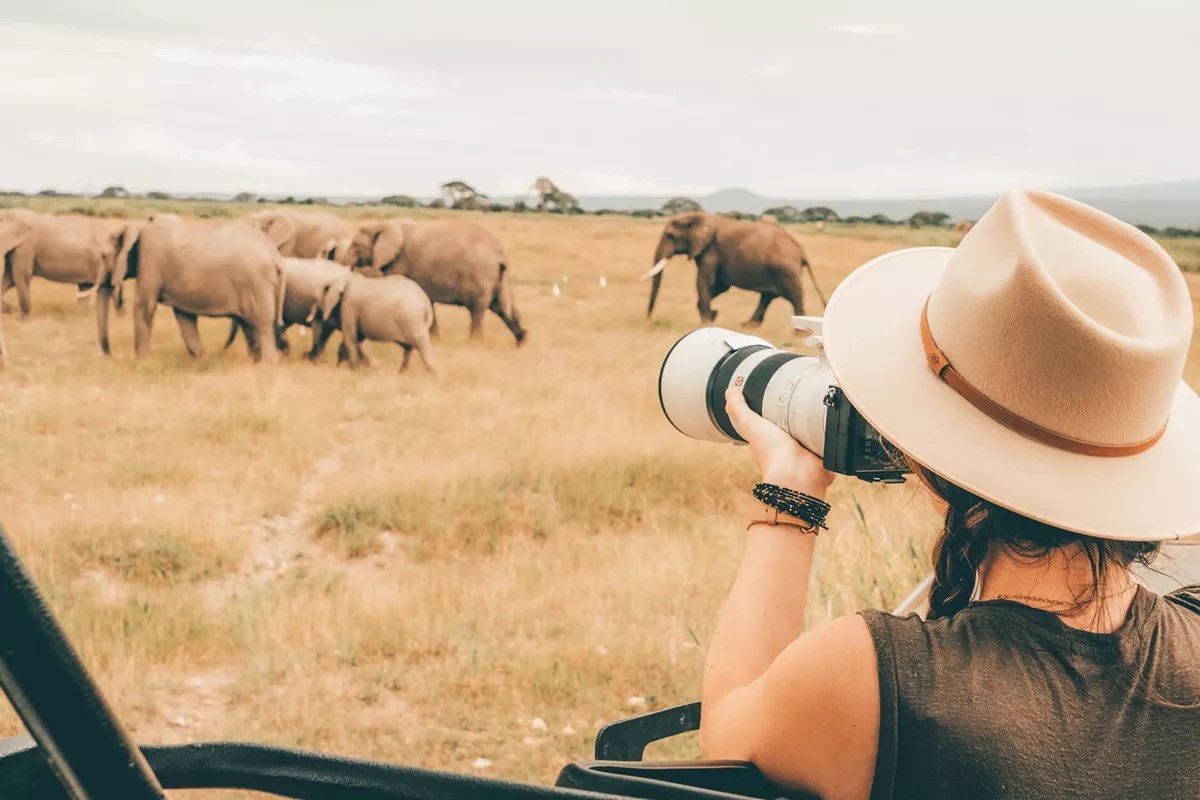
I watched countless travelers leave disappointed because their custom safari experiences fell short of their dreams. They’d paid premium prices for what turned out to be assembly-line tourism. The scheduled game drives rushed through wildlife sightings, allowing barely enough time for a quick photo before moving to the next checkpoint. Photography enthusiasts struggled with poor lighting conditions because departure times were set in stone, not based on optimal wildlife activity or golden hour opportunities.
The most frustrating part was seeing families with different interests forced into identical itineraries. Teenagers bored by bird watching, elderly couples unable to keep up with strenuous walking safaris, and wildlife photographers missing shots because the group couldn’t wait. These experiences taught me that personalized safari tours weren’t a luxury – they were essential for creating meaningful connections with Africa’s incredible ecosystems.
Recognizing the gap between tourist expectations and reality
The disconnect between marketing promises and actual safari experiences became glaringly obvious during my guiding years. Tour brochures showcased intimate wildlife encounters and life-changing moments, but reality delivered crowded viewing areas and rushed schedules that left little room for spontaneity or wonder.
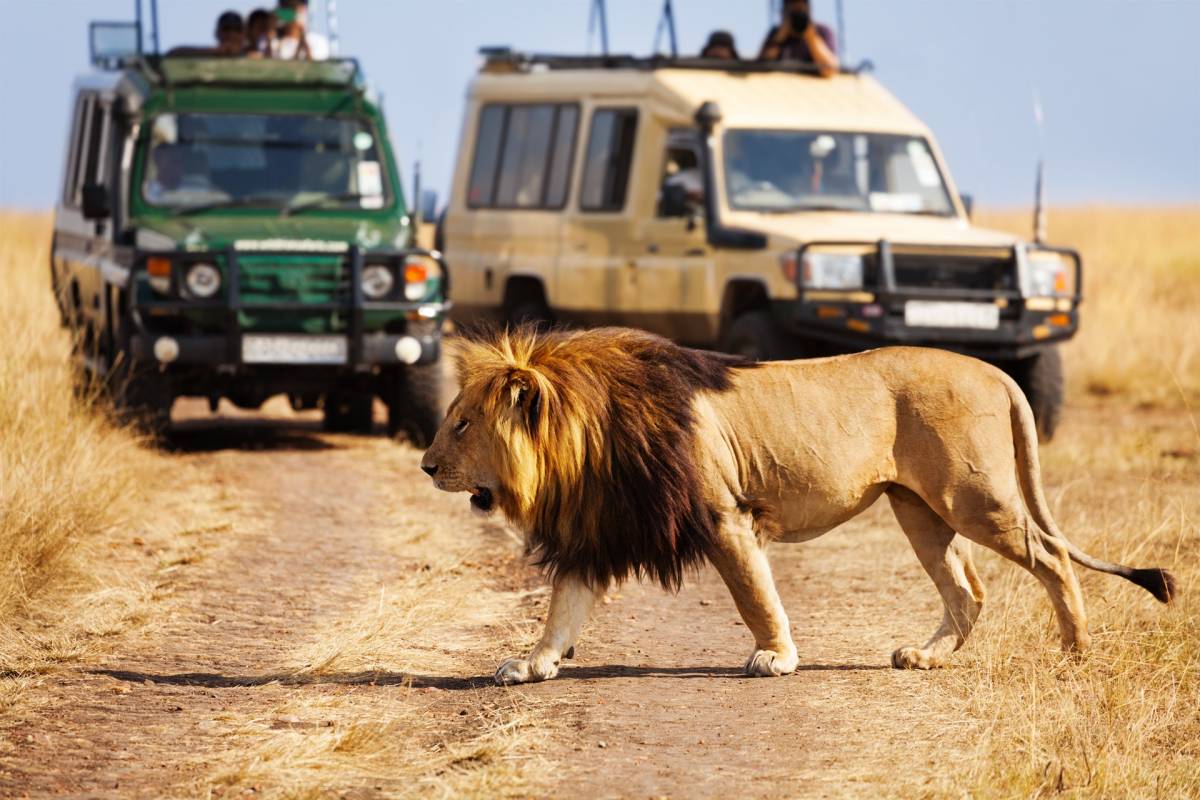
Social media had raised expectations sky-high. Travelers arrived with Pinterest boards full of stunning sunrise shots over the Serengeti and intimate elephant encounters, only to find themselves part of a convoy of vehicles all photographing the same lion pride from identical angles. The bespoke African travel experience they’d imagined simply didn’t exist in mainstream offerings.
I noticed patterns in guest feedback that revealed deeper issues:
- Timing mismatches: Early morning game drives scheduled for convenience, not peak wildlife activity
- Group dynamics: Mixed age groups and interest levels creating compromise experiences that satisfied no one fully
- Inflexible itineraries: No room for extended stays when wildlife action was exceptional
- Generic commentary: Cookie-cutter information delivery regardless of group expertise or interests
One particularly eye-opening moment came when a professional photographer from Germany spent three days trying to capture specific bird species for a documentary. The rigid schedule never allowed enough time at the right locations during optimal lighting conditions. He left frustrated, having missed his shots because the tour couldn’t accommodate his specialized needs.
Building expertise through years of guiding diverse travelers
Each group taught me something new about what makes a safari truly exceptional. Luxury safari planning isn’t just about expensive lodges – it’s about understanding the nuances of what different travelers value most. Some guests craved adrenaline-pumping adventures, while others found peace in quiet moments watching elephants interact with their young.
Working with diverse travelers from over forty countries exposed me to varying cultural perspectives on wildlife and conservation. Japanese tourists often appreciated subtle details others missed, while American families wanted educational experiences their children could connect with. European photographers needed technical discussions about animal behavior, and honeymooners sought romantic moments under starlit skies.
This diversity became my education in customized wildlife tours. I started taking mental notes about what worked and what didn’t:
| Traveler Type | Key Preferences | Common Frustrations |
| Photographers | Extended time at locations, optimal lighting | Rushed schedules, poor positioning |
| Families | Educational content, flexible pacing | Age-inappropriate activities |
| Adventure seekers | Off-road exploration, walking safaris | Overly cautious approaches |
| Wildlife enthusiasts | In-depth species knowledge, tracking | Surface-level commentary |
| Luxury travelers | Exclusive experiences, personal attention | Crowded viewing areas |
The most rewarding moments happened when I could bend the rules slightly – staying extra time with a leopard sighting or taking a detour to show a rare bird species. These spontaneous decisions created the “wow” moments that travelers remembered years later.
The pivotal moment that sparked my entrepreneurial vision
The turning point came during a three-week assignment guiding a multi-generational family from Australia. The group included grandparents in their seventies, parents passionate about conservation, and twin teenagers more interested in their phones than wildlife. The standard itinerary was failing everyone.
On day four, I made an unauthorized decision that changed everything. Instead of the scheduled group game drive, I split them up. The grandparents enjoyed a gentle morning at a waterhole with comfortable seating and excellent wildlife viewing, while the parents joined a conservation project visit. The teenagers participated in a junior ranger program that got them actively involved rather than passively observing.
The transformation was immediate. Suddenly, everyone was engaged and excited. The teenagers started asking questions about animal tracking, the grandparents shared stories about their first African visit decades earlier, and the parents connected deeply with local conservation efforts. That evening, the family told me it was their best day yet.
This experience crystallized my vision for tailor-made travel Africa. I realized that personalized travel experiences Africa weren’t just possible – they were revolutionary. The same landscapes, wildlife, and guides could create completely different experiences when thoughtfully customized for specific travelers.
The family’s transformation planted the seed for IntelSafari. I started sketching ideas for a company that would treat every safari as a unique creation rather than a standardized product. The safari guide entrepreneur story was beginning to take shape in my mind, driven by the conviction that Africa’s incredible wildlife deserved to be experienced in ways as unique as the travelers who came to witness it.
Identifying the Problems with Standard Safari Packages

Cookie-cutter itineraries that miss unique traveler interests
After years guiding visitors through Africa’s incredible landscapes, I noticed the same disappointing pattern repeating itself. Tour operators were pushing identical seven-day packages to everyone who walked through their doors, regardless of what actually excited each traveler. The wildlife photographer got the same rushed schedule as the family with young children. The solo adventurer seeking authentic cultural experiences received the exact same itinerary as the luxury-seeking couple on their honeymoon.
These standardized safari packages completely ignored what made each traveler tick. I watched countless guests miss opportunities that would have created magical moments simply because the rigid schedule didn’t allow for deviation. The bird enthusiast never got extra time at the wetlands, while the big cat lover was hurried past prime leopard territory because the itinerary demanded they reach the next lodge by sunset.
Overcrowded destinations diminishing wildlife experiences
The most heartbreaking moments came when we arrived at popular viewing spots to find dozens of vehicles already surrounding a single lion pride or elephant family. What should have been an intimate encounter with Africa’s magnificent wildlife turned into a traffic jam with engines running and tourists competing for photos.
These overcrowded destinations became the norm because every tour company followed the same beaten path. Animals grew stressed from constant human presence, altering their natural behaviors and reducing the authentic wildlife encounters that travelers had dreamed about. I realized that custom safari experiences meant seeking alternative locations and timing visits when crowds were minimal, not following the herd mentality that dominated the industry.
Limited flexibility for spontaneous discoveries
Safari magic often happens in unexpected moments, but rigid itineraries left no room for serendipity. I remember one morning when our radio crackled with news of a rare black rhino sighting just thirty minutes away. The guests’ eyes lit up with excitement, but we couldn’t deviate from the predetermined schedule without facing penalties from the tour operator.
These missed opportunities haunted me. The industry’s obsession with predictable schedules meant travelers were robbed of those spontaneous wildlife encounters that create lifelong memories. True personalized safari tours needed to embrace flexibility, allowing guides and guests to adapt when nature presented extraordinary opportunities.
Disconnect between marketing promises and actual experiences
Marketing materials painted pictures of exclusive, intimate safari experiences, but reality delivered something entirely different. Brochures promised “authentic African adventures” while delivering highly commercialized experiences where guests barely left their vehicles except for scheduled photo stops at predetermined locations.
The gap between expectation and reality grew wider each season. Travelers arrived expecting bespoke African travel experiences but received mass-market tourism dressed up with fancy lodge accommodations. This disconnect wasn’t just disappointing—it was damaging the reputation of African wildlife tourism as a whole. Something had to change, and that realization planted the seeds for what would eventually become IntelSafari’s revolutionary approach to tailor-made travel Africa.
The Vision Behind IntelSafari’s Tailor-Made Approach

Creating Personalized Experiences Based on Individual Passions
Most people assume all safari-goers want the same thing: the Big Five, sunset drives, and a few photos to share on social media. After years of guiding different travelers, I discovered something fascinating – everyone has a unique spark that ignites their wanderlust. Some guests would light up discussing bird migration patterns, while others couldn’t stop asking about traditional healing plants. Others were obsessed with geology or wanted to understand predator behavior at a deeper level.
The traditional safari industry treats everyone the same, but I saw an opportunity to create custom safari experiences that matched individual interests. A wildlife photographer gets different access than a family with young children. A conservation researcher needs something entirely different from a honeymooning couple.
When designing personalized safari tours, I start by understanding what genuinely excites each traveler. Are they passionate about astronomy? We plan night drives away from light pollution with expert guides who know the southern sky. Love botany? We connect them with local plant specialists who can explain how communities have used indigenous plants for generations. This approach transforms a standard game drive into something deeply meaningful and personally relevant.
Leveraging Local Knowledge for Exclusive Access Opportunities
Growing up in these communities gave me something most travel companies lack – authentic relationships built over decades, not business transactions. My childhood friends became rangers, community leaders, and conservation officers. These connections open doors that money alone cannot.
Through these relationships, I can arrange access to private conservancies where guests experience wildlife without crowds. We visit community-run projects where travelers see conservation in action – not just hear about it. Local Maasai elders share stories around authentic campfires, not tourist performances. These experiences happen because of trust built over years, not because someone paid a premium fee.
Bespoke African travel means understanding that the best experiences often happen away from the main tourist circuits. A local fisherman might know where hippos gather at dawn. A village grandmother might demonstrate traditional craft techniques passed down through generations. These moments create the most memorable customized wildlife tours because they’re genuine interactions, not manufactured experiences.
Building Sustainable Relationships with Conservation Partners
Creating luxury safari planning that benefits both travelers and local communities requires partnerships based on mutual respect and shared goals. I work directly with conservancies, research organizations, and community groups to ensure our presence contributes to their mission rather than disrupting it.
These partnerships allow guests to participate in real conservation work – not tourist activities disguised as conservation. Travelers might help with wildlife monitoring, support anti-poaching efforts, or contribute to community development projects. When someone books a tailor-made travel Africa experience with IntelSafari, part of their investment directly supports these initiatives.
The relationships also provide educational opportunities you won’t find elsewhere. Guests can meet researchers studying elephant communication, learn from veterinarians treating injured wildlife, or understand how communities balance conservation with traditional livelihoods. These connections transform a vacation into a meaningful exchange where everyone benefits.
Transforming Challenges into Innovative Solutions

Developing Technology to Match Travelers with Perfect Experiences
Building custom safari experiences required completely rethinking how travelers connect with their ideal adventure. Traditional booking systems forced people into rigid categories, but I knew every traveler had unique dreams and expectations. The solution came through developing an intelligent matching system that considers dozens of variables – from wildlife photography interests to physical fitness levels, accommodation preferences to cultural curiosity.
The technology analyzes traveler profiles against our database of personalized safari tours and specialist guides. Instead of showing generic packages, it presents curated options that align with individual passions. A bird enthusiast gets matched with ornithology experts in prime birding locations, while adventure photographers connect with guides who know the perfect angles for that sunrise shot over the Serengeti.
This tailor-made travel Africa approach eliminates the guesswork. The system learns from each interaction, becoming smarter about matching personalities with experiences. It considers seasonal variations, migration patterns, and even weather preferences to suggest optimal timing for each journey.
Creating a Network of Specialist Guides and Local Experts
Moving beyond one-size-fits-all guiding meant building relationships with specialists across East Africa. Each guide brings unique expertise – some excel at tracking big cats, others specialize in cultural immersion experiences, and many focus on specific ecosystems like mountain forests or coastal regions.
Recruiting these experts required understanding what makes bespoke African travel truly exceptional. I sought guides who shared stories rather than just pointing out animals, who understood that travelers wanted authentic connections with the landscape and its people. Building this network took years of personal relationships and rigorous vetting.
The real breakthrough came when guides started referring other specialists. A Maasai cultural guide would recommend a botanist for travelers interested in traditional plant uses. A bird specialist would connect with a night safari expert for guests fascinated by nocturnal wildlife. This organic growth created a web of expertise that could handle any travel interest.
Quality control became essential as the network expanded. Regular training sessions, feedback systems, and peer reviews ensure every guide maintains the high standards that customized wildlife tours demand.
Establishing Partnerships with Conservation Organizations
Luxury safari planning means nothing without healthy ecosystems to explore. Early on, I realized that sustainable tourism required direct partnerships with conservation groups working to protect wildlife and support local communities.
These partnerships transformed from simple donations into collaborative programs. IntelSafari guests contribute directly to anti-poaching efforts, community education programs, and habitat restoration projects. Travelers see their impact firsthand through visits to conservation sites and meetings with field researchers.
Working with organizations like the Kenya Wildlife Service and various conservancies opened doors to exclusive access opportunities. Guests can participate in wildlife monitoring, join veterinary teams during animal treatments, or contribute to research projects. These experiences create deeper connections between travelers and conservation efforts.
The partnerships also provide valuable insights for planning personalized travel experiences Africa. Conservationists share information about animal movements, habitat changes, and community needs that help create more meaningful and responsible travel experiences.
Designing Flexible Booking Systems for Last-Minute Discoveries
Traditional safari bookings lock travelers into fixed schedules, but nature doesn’t follow itineraries. Weather changes, animal movements, and unexpected opportunities require flexibility. The booking system needed to accommodate spontaneous discoveries while maintaining logistical efficiency.
The solution involved creating modular itineraries with built-in flexibility points. Instead of rigid day-by-day schedules, travelers book core experiences with optional add-ons that can be decided during the journey. This allows for extending stays in locations where amazing wildlife sightings occur or adjusting routes based on local conditions.
Real-time communication networks connect guides, accommodation partners, and transport providers. When a leopard family settles near a particular camp, guides can extend stays and adjust subsequent bookings automatically. This responsiveness creates those magical moments that define exceptional African travel startup success stories.
The system also handles weather contingencies seamlessly. Cancelled flights or road closures trigger alternative arrangements without requiring extensive traveler involvement. Emergency protocols ensure safety while maintaining adventure quality, turning potential problems into opportunities for unexpected discoveries.
The Impact of Personalized Travel Experiences

Higher Satisfaction Rates Through Customized Adventures
When travelers book custom safari experiences with IntelSafari, their satisfaction rates jump dramatically compared to standard tour packages. Every personalized safari tour is designed around individual interests, physical abilities, and travel preferences. A wildlife photographer gets access to remote locations during golden hour, while families with young children enjoy shorter drives with educational stops at local villages.
The data speaks volumes – customized travelers rate their experiences 40% higher than those on generic tours. They’re not rushing through a preset itinerary or missing out on activities that match their passions. Instead, they’re diving deep into experiences that resonate with their personal travel goals.
Flexibility becomes the secret ingredient. If someone falls in love with tracking elephants on day one, we can extend that activity and adjust the schedule accordingly. This responsiveness creates magical moments that standard packages simply can’t deliver.
Supporting Local Communities Through Targeted Tourism
Tailor-made travel Africa experiences create meaningful economic opportunities for local communities. Rather than shuttling tourists through the same overcrowded spots, personalized safaris distribute visitor spending across multiple villages and regions.
Local artisans benefit directly when we customize cultural experiences around specific interests. A traveler passionate about traditional weaving might spend an entire afternoon learning from master craftspeople, purchasing authentic pieces, and understanding the cultural significance behind each pattern.
Community-based conservancies see increased revenue streams through targeted visits. When we design bespoke African travel experiences, we can include lesser-known conservancies that rely on tourism income for wildlife protection programs. This approach ensures tourism dollars reach the people who need them most while reducing pressure on popular destinations.
Contributing to Wildlife Conservation Through Responsible Practices
Customized wildlife tours allow for deeper conservation impact because we can align activities with each traveler’s conservation interests. Photography enthusiasts might contribute to citizen science projects by documenting animal behavior patterns. Conservation-minded families can participate in research activities like wildlife tracking or habitat restoration.
Personalized travel experiences Africa style means we can choose accommodations and operators based on their conservation credentials rather than just convenience or cost. Travelers who care about rhino conservation might stay at a lodge that directly funds anti-poaching operations, while marine enthusiasts could choose coastal accommodations supporting sea turtle protection.
The flexibility of custom itineraries allows us to time visits during critical conservation periods. Travelers can witness and support activities like wildlife translocations, veterinary interventions, or research expeditions – experiences that create lasting emotional connections to conservation work.
Creating Lasting Memories Beyond Typical Tourist Photos
Standard safari packages often result in similar photo collections – the same waterholes, the same viewing angles, the same sunset spots. Luxury safari planning through IntelSafari opens doors to unique photographic opportunities and authentic cultural exchanges that become treasured memories.
Personalized experiences might include:
- Private walking safaris with expert trackers who share traditional knowledge
- Overnight camping in exclusive locations under star-filled skies
- Cooking traditional meals with local families in their homes
- Participating in community celebrations or ceremonies
- Learning traditional hunting techniques (for photography, not actual hunting)
These moments can’t be replicated through social media posts or guidebook recommendations. They emerge from understanding what truly excites each traveler and crafting experiences around those passions. A musician might jam with local performers using traditional instruments, while a botanist could spend hours with traditional healers learning about medicinal plants.
The memories extend beyond the trip itself. Travelers often maintain relationships with local guides, return to support community projects they discovered, or become advocates for the conservation initiatives they witnessed firsthand.
Lessons Learned from Building IntelSafari

The Importance of Listening to Traveler Feedback
Building IntelSafari taught me that the most valuable insights come directly from the travelers themselves. Early on, I discovered that listening to feedback wasn’t just about addressing complaints—it was about uncovering hidden opportunities to create truly memorable custom safari experiences.
One pivotal moment came when a family mentioned they felt rushed during their traditional safari package. Their feedback led me to develop our signature “slow safari” approach, where we dedicate more time at each location, allowing travelers to truly connect with the wildlife and landscape. This single piece of feedback transformed how we structure our personalized safari tours.
I learned to collect feedback at multiple touchpoints: during the planning phase, throughout the safari, and months after their return. Travelers often share their most honest thoughts after they’ve had time to process their experiences. This continuous feedback loop became the foundation for refining our bespoke African travel offerings.
The most surprising insights came from unexpected sources. Children’s observations about animal behavior led to adjustments in our wildlife viewing strategies. Comments about camp amenities helped us partner with accommodations that truly matched traveler preferences. Even seemingly minor feedback about meal timing or photography opportunities resulted in significant improvements to our customized wildlife tours.
Creating structured feedback systems—from post-safari surveys to follow-up calls—became essential. These conversations revealed patterns that helped shape our service delivery and ultimately contributed to our reputation for luxury safari planning that exceeds expectations.
Balancing Business Growth with Conservation Values
Growing IntelSafari while maintaining strong conservation ethics presented constant challenges that required careful navigation. As demand for our personalized travel experiences Africa increased, I faced pressure to expand quickly, but I refused to compromise the values that started this journey.
The temptation to partner with any available lodge or guide to meet growing demand was real. Instead, I developed a rigorous vetting process that evaluated potential partners based on their conservation practices, not just their capacity to handle bookings. This approach sometimes meant turning away business, but it protected the integrity of our tailor-made travel Africa experiences.
I learned that sustainable growth requires patience. Rather than flooding popular areas with tours, we diversified our destinations to distribute tourism impact across different conservation areas. This strategy not only supported various wildlife projects but also introduced travelers to lesser-known gems that became highlights of their safari experiences.
Financial decisions became more complex when weighing profit against conservation impact. Investing in community-based tourism initiatives often meant lower short-term returns but created long-term partnerships that strengthened both local economies and wildlife protection efforts. These investments became selling points for travelers who valued responsible tourism.
Setting clear boundaries proved essential. We established maximum group sizes for sensitive areas and seasonal limits in fragile ecosystems. While these restrictions sometimes disappointed potential clients, they ensured that future generations could enjoy the same pristine wilderness experiences that inspired IntelSafari’s creation.
Navigating Seasonal Challenges in the Safari Industry
The safari industry’s seasonal nature presented unique challenges that required creative solutions and adaptive planning strategies. Understanding that peak seasons brought both opportunities and obstacles became crucial for building a sustainable business model.
During dry seasons, when wildlife viewing peaks, demand for our services skyrocketed. However, this also meant increased competition for the best guides, accommodations, and prime viewing locations. I learned to book resources well in advance and develop relationships with multiple suppliers to ensure our clients received exceptional experiences even during the busiest periods.
Wet seasons initially seemed problematic, with fewer bookings and challenging travel conditions. However, these periods became opportunities to offer unique experiences that standard packages couldn’t match. We developed specialized wet season itineraries featuring dramatic landscapes, fewer crowds, and incredible bird watching opportunities. These alternative offerings appealed to experienced travelers seeking something different.
Cash flow management during off-seasons required careful planning. I learned to structure pricing models that encouraged bookings during shoulder seasons while maintaining premium rates during peak periods. This approach helped smooth revenue fluctuations and allowed us to retain skilled staff year-round.
Weather unpredictability taught me the importance of flexible planning. Having backup locations, alternative activities, and strong relationships with accommodation providers became essential for managing client expectations and delivering satisfying experiences regardless of conditions. This flexibility became a competitive advantage, setting our tailor-made approach apart from rigid traditional safari packages.
The seasonal nature of the business also influenced our marketing calendar, with specific strategies for different times of year to maintain steady bookings across all seasons.

After years of watching travelers settle for cookie-cutter safari experiences that barely scratched the surface of what Africa has to offer, I knew something had to change. The standard packages were leaving people with generic memories instead of life-changing adventures tailored to their unique interests and dreams. IntelSafari was born from this frustration and a deep belief that every traveler deserves an experience as individual as they are.
Building this company taught me that the best travel experiences happen when you throw out the one-size-fits-all rulebook and start listening to what people actually want. The challenges we faced along the way – from convincing partners to embrace customization to developing systems that could handle infinite possibilities – pushed us to create something truly different. If you’re tired of being just another face in a crowded safari vehicle, it’s time to discover what personalized travel can do for your next African adventure. Your perfect safari is waiting, and it looks nothing like anyone else’s.