








Adventure Highlights & Add-On Experiences
What to Pack for an African Safari (Complete First-Timer Checklist)
What to Pack for an African Safari (Complete First-Timer Checklist)
Planning your first African safari can feel overwhelming, especially when it comes to packing. First-time safari travelers often struggle with knowing exactly what to bring for different climates, activities, and weight restrictions on charter flights.
This complete African safari packing list is designed specifically for first-timers heading to Kenya, Tanzania, or other African destinations. We’ll walk you through everything from choosing the right safari luggage that meets strict weight limits to packing essential safari clothing for both hot days and surprisingly cold mornings.
You’ll discover the must-have items for wildlife viewing and photography, learn what footwear works best for game drives and walking safaris, and get specialized advice for gorilla trekking adventures. We’ll also cover smart packing strategies to maximize your limited luggage space while keeping you comfortable and protected throughout your safari experience.
Choose the Right Safari Luggage and Packing Strategy

Select Soft-sided Duffle Bags for Charter Flights with Weight Restrictions
When planning your African safari packing list, choosing the right luggage is crucial for your travel success. Charter flights, which are common for reaching remote safari destinations, have strict weight restrictions that often limit passengers to a maximum of 33 pounds per bag. These weight limits are strictly enforced, making it essential to select appropriate luggage from the start.
Soft-sided duffle bags are the preferred choice for safari travel due to their flexibility and lightweight construction. Unlike hard suitcases, these bags can be compressed to fit into the limited compartment sizes of small charter aircraft. The malleable nature of duffle bags allows ground crew to efficiently pack multiple bags into tight spaces, something that rigid suitcases simply cannot accommodate.
Before finalizing your safari luggage selection, it’s recommended to check the specific requirements with your tour operator or airline, as restrictions can vary between different charter services and destinations.
Use Packing Cubes to Organize Similar Items Efficiently
Packing cubes are highly effective organizational tools that will transform your safari packing strategy. These lightweight compartments allow you to group similar items together, creating a systematic approach to your luggage organization. By dedicating specific cubes to different categories—such as one for shirts, another for pants, and a third for undergarments—you’ll maintain order throughout your safari adventure.
The benefits of packing cubes extend beyond organization. They keep everything tidy and easily accessible within your duffle bag, eliminating the need to dig through all your belongings to find a specific item. This efficiency becomes particularly valuable when you’re living out of your luggage for extended periods in safari camps.
Pack Neutral Colors with Minimal Prints for Easy Mixing and Matching
Your safari clothing essentials should focus on neutral color palettes that blend harmoniously with the African landscape. Stick to colors such as khaki, light brown, green, and tan, which not only photograph beautifully against safari backdrops but also serve practical purposes during wildlife viewing.
Choose garments with minimal prints to maximize your mixing and matching potential. This approach allows you to create multiple outfit combinations from fewer pieces, helping you stay within those strict weight restrictions while maintaining variety in your safari wardrobe.
Avoid bright colors and camouflage patterns in your safari gear guide. Bright colors can make you conspicuous to wildlife, potentially affecting animal behavior during game drives and walking safaris. Additionally, camouflage patterns are prohibited in some African countries due to military associations, making neutral tones the safest and most appropriate choice.
Avoid Bringing Favorite Clothing Items Due to Camp Laundry Services
While most safari camps offer laundry services, it’s important to understand that these facilities may not handle your garments with the same care you would provide at home. Camp laundry services are functional rather than delicate, designed to clean safari clothing that gets dusty and dirty during game drives and outdoor activities.
For this reason, avoid packing your favorite or delicate clothing items for your safari adventure. The washing methods used in remote locations may be harsher than what your precious garments require, potentially leading to fading, shrinkage, or damage.
Additionally, be aware that most safari camps do not launder undergarments as part of their standard laundry service. Plan accordingly by packing sufficient underwear for your entire trip, or be prepared to hand-wash these items yourself during your stay.
Essential Safari Clothing for Different Weather Conditions

Pack lightweight pants in neutral colors for sun and bug protection
Selecting the right safari clothing essentials begins with choosing proper leg protection for your African adventure. Lightweight pants in neutral colors such as olive green, khaki, and mustard are absolutely essential for any first time safari checklist. These earth-toned colors help you blend seamlessly with the natural environment while providing crucial protection against both harsh sun exposure and persistent insects.
When building your safari clothing packing list, consider versatile options like water-resistant safari pants that offer additional protection during unexpected weather changes. SPF-rated pants provide an extra layer of sun defense, particularly important during long game drives and walking safaris. Convertible or zip-off safari pants deserve special consideration as they transform from full-length protection to shorts when temperatures rise, making them invaluable for varying conditions throughout your safari day.
Include long-sleeve shirts and layers for temperature changes
Temperature fluctuations are a constant reality on African safaris, making layering strategies crucial for comfort and protection. Long-sleeve linen or light cotton shirts serve as perfect base layers, providing essential coverage without adding unnecessary bulk to your safari gear guide. These breathable fabrics allow air circulation while protecting your arms from sun exposure and insect bites.
Complement your long-sleeve shirts with light sweaters or sweatshirts for cooler moments. Dressing in layers becomes particularly important during morning and evening game drives when temperatures can drop significantly. Consider shirts with zip-off sleeves and lightweight jackets that adapt quickly to changing conditions. This layering approach also provides essential mosquito protection during nighttime hours when insects are most active.
Bring utility jackets and lightweight puffer jackets for cold mornings
Early morning game drives often present surprisingly cold conditions, making appropriate outerwear essential for your Tanzania safari preparation or Kenya safari packing list. A utility jacket with large pockets serves multiple purposes – providing warmth during chilly mornings and evenings while offering convenient storage for small essentials like cameras, binoculars, or snacks.
Lightweight puffer jackets represent an excellent investment for colder safari days. These compact jackets pack down small in your luggage but expand to provide significant warmth when temperatures drop. The combination of a utility jacket and puffer jacket ensures you’re prepared for various weather scenarios without overpacking.
Choose moisture-wicking undergarments and breathable fabrics
The foundation of comfortable safari clothing lies in selecting appropriate undergarments and base materials. Moisture-wicking undergarments, including specialized safari bras, briefs, thongs, and boxers, help regulate body temperature and prevent chafing during long game drives and walking excursions.
Breathable fabrics like cotton provide overall comfort by allowing air circulation and preventing overheating. These materials work in harmony with your outer layers to create a comfortable microclimate against your skin, essential for maintaining comfort during extended outdoor activities in varying African climates.
Footwear and Accessories for Maximum Comfort and Protection

Pack sturdy tennis shoes for daily safari activities and hikes
The foundation of your safari footwear collection begins with a reliable pair of sturdy tennis shoes. These versatile shoes will serve as your primary footwear throughout most of your African safari adventure, providing the essential support and comfort needed for daily safari activities and any hiking excursions you encounter. Quality tennis shoes offer the perfect balance of durability and flexibility, allowing you to navigate various terrains while maintaining comfort during long game drives and walking safaris.
When selecting tennis shoes for your safari packing list, prioritize comfort and support over style, as you’ll be wearing them for extended periods across diverse African landscapes. The sturdy construction will protect your feet from rough terrain while providing adequate grip for different surfaces you’ll encounter during your safari experience.
Include slide sandals for relaxation around camp
Now that we’ve covered your primary footwear needs, comfort around camp becomes equally important. Slide sandals are an essential addition to your safari gear guide, offering the perfect solution for relaxation when you’re back at camp after a day of wildlife viewing. These easy-to-slip-on sandals allow your feet to breathe and recover from hours spent in closed-toe shoes during game drives.
The convenience of slide sandals cannot be overstated – they’re perfect for quick trips to dining areas, bathrooms, or simply lounging around camp facilities. This footwear choice ensures maximum comfort during your downtime, allowing you to fully relax and prepare for the next day’s adventures.
Bring waterproof ankle boots for wet terrain and varied conditions
With this in mind, waterproof ankle boots represent a crucial component of your first time safari checklist, specifically designed to handle challenging weather conditions and diverse terrain. These specialized boots are advisable for wet terrain and varied conditions that you may encounter throughout your African safari journey, particularly during rainy seasons or in areas prone to morning dew and moisture.
The waterproof feature ensures your feet remain dry and comfortable regardless of ground conditions, while the ankle support provides additional stability when navigating uneven surfaces. This footwear option is particularly valuable for Kenya safari packing and Tanzania safari preparation, where terrain can vary significantly between different parks and reserves.
Choose wide-brim safari hats and baseball caps for sun protection
Previously, we’ve focused on footwear, but head protection forms an equally critical aspect of your safari clothing essentials. Wide-brim safari hats offer superior sun protection, particularly for the back of your neck, which is especially vulnerable to intense African sun exposure. When selecting safari hats, ensure they are gas permeable and water-absorbent on the inside for comfort, while featuring waterproof exterior materials to handle unexpected weather changes.
Additionally, include practical baseball caps in your safari preparation to keep hair out of your face and provide focused SPF protection. These caps offer versatility for different activities and lighting conditions, complementing your wide-brim hat options. Baseball caps are particularly useful during photography sessions when a wide brim might interfere with camera equipment or binoculars, making them an indispensable part of your comprehensive what to pack for safari collection.
Photography and Wildlife Viewing Equipment

Select proper binoculars with 8×40 or 8×42 specifications
When choosing safari photography equipment, binoculars serve as your window to wildlife that cameras cannot always capture effectively. The recommended specifications of 8×40 or 8×42 provide the optimal balance between magnification and light-gathering capability essential for African safari conditions. These specifications offer 8x magnification power, which is sufficient to bring distant wildlife into clear view without excessive shake that higher magnifications can cause when hand-holding.
The second number (40 or 42) represents the objective lens diameter in millimeters, directly impacting light transmission and image brightness. This specification range excels in both birding and mammal viewing scenarios, making them versatile companions throughout your safari adventure. The Nikon Prostaff 7s 10×42 exemplifies quality optics that deliver crisp, bright images even during early morning and late evening game drives when wildlife activity peaks.
Pack camera gear with lens cleaners and protective accessories
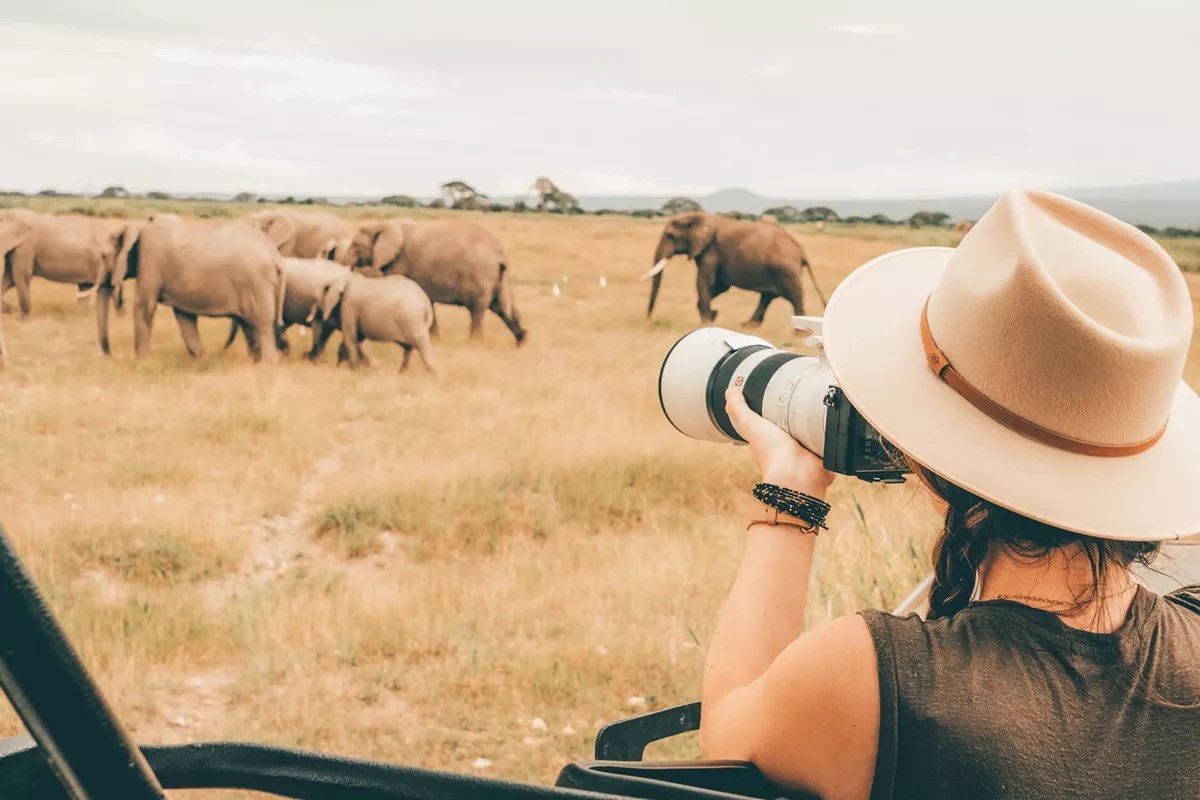
Your safari photography equipment demands meticulous protection from Africa’s challenging environmental conditions. Essential camera accessories include lens cleaners, extra lens caps, lens pens, and microfiber cloths to maintain optical clarity throughout dusty game drives and humid conditions. These protective accessories ensure your camera equipment, such as the Nikon CoolPix P900, continues delivering sharp images despite exposure to dust, moisture, and temperature fluctuations.
Lens pens prove particularly valuable for quick field cleaning, while microfiber cloths handle more thorough maintenance. Multiple lens caps serve as insurance against loss during equipment changes in vehicles or camps. This comprehensive protection strategy preserves your investment while ensuring consistent image quality throughout your safari experience.
Use bean bags as tripod substitutes for stable shots
Traditional tripods present logistical challenges during safari game drives due to space constraints and vehicle movement limitations. Bean bags emerge as effective tripod substitutes, providing stable shooting platforms that adapt to vehicle window frames and irregular surfaces. These versatile stabilizers conform to various shapes while absorbing vibrations that could compromise image sharpness.
Bean bags offer significant advantages over rigid tripods in safari vehicles, allowing photographers to achieve steady shots without complicated setup procedures. Their flexibility enables quick positioning adjustments as wildlife moves or vehicle angles change, ensuring you never miss critical photographic opportunities.
Include smartphone stabilizers for better video quality
Modern smartphone cameras capture impressive wildlife footage, but handheld recording often results in shaky, unusable videos. Smartphone gimbal stabilizers transform your mobile device into a professional-grade recording tool, delivering smooth, cinematic footage of wildlife encounters. These compact devices compensate for hand movement and vehicle vibrations, producing stable video content worthy of your safari memories.
The enhanced video quality achieved through smartphone stabilizers proves invaluable for documenting dynamic wildlife behaviors, from cheetah chases to elephant interactions, creating lasting memories of your African safari adventure.
Health, Hygiene, and Sun Protection Essentials

Pack High-SPF Sunscreen and Insect Repellent for Outdoor Protection
The African sun can be particularly intense, making high-SPF sunblock or sunscreen absolutely essential for your safari packing list. This comprehensive outdoor protection forms the foundation of your safari health essentials. The combination of altitude, proximity to the equator, and extended time outdoors during game drives makes proper sun protection non-negotiable for first-time safari travelers.
Equally important is quality insect repellent, which provides crucial protection against mosquitoes and other biting insects that are prevalent in many African safari destinations. When planning what to pack for safari, prioritize repellents with proven effectiveness in tropical climates. This dual protection approach of sunscreen and insect repellent ensures you can focus on wildlife viewing without discomfort or health concerns.
Bring Basic Toiletries and Dental Care Items for Personal Hygiene
Your safari clothing essentials should be complemented by fundamental personal care items. Pack essential toiletries including deodorant, toothpaste, and a toothbrush to maintain hygiene standards throughout your adventure. While most safari accommodations provide basic amenities such as body soap, shampoo, and conditioner, don’t rely entirely on these provisions.
For contact lens wearers, this aspect of your first-time safari checklist becomes particularly crucial. Pack contact solution and extra lenses, along with backup glasses, as the dusty safari environment can cause significant eye irritation. The fine dust particles common during game drives can make wearing contacts uncomfortable or potentially problematic.
Include Lip Balm with SPF and Face Moisturizer for Skin Care
The harsh African climate demands specialized skincare attention beyond basic sun protection. Include lip balm with SPF protection in your safari gear guide essentials, as lips are particularly vulnerable to both sun damage and the drying effects of dust and wind during game drives.
Face moisturizer and toner complete your essential skincare trio for safari conditions. These items help combat the dehydrating effects of the African climate while maintaining skin health throughout your adventure. The combination of intense sun, dust, and varying humidity levels can be challenging for skin, making these targeted skincare products invaluable additions to your African safari packing list.
Pack Necessary Medications and First Aid Supplies
While specific medication and first aid recommendations weren’t detailed in the available information, the importance of bringing necessary medications cannot be understated for any safari adventure. Consult with healthcare professionals about your specific needs based on your chosen safari destination and personal health requirements before finalizing this crucial component of your safari preparation.
Special Considerations for Gorilla Trekking Adventures

Wear Garden Gloves for Hand Protection When Pushing Through Vegetation
Garden gloves are an indispensable addition to your gorilla trekking packing list, serving multiple crucial functions during your adventure. When navigating through dense vegetation, you’ll frequently need to push through branches, vines, and undergrowth to follow your guides along the narrow trails. These gloves protect your hands from thorns, sharp branches, and rough bark that could otherwise cause painful cuts or scratches.
Beyond protection, garden gloves prove invaluable when gripping tree roots for support on steep, muddy terrain. The enhanced grip they provide can be the difference between maintaining your footing and taking a dangerous fall on slippery slopes. Additionally, keeping your hands clean is essential for photography enthusiasts who want to handle their camera equipment without transferring dirt, sap, or debris to sensitive lenses and controls.
Use Waterproof Socks and Gaiters to Prevent Cuts and Ant Bites
Long waterproof socks paired with gaiters create a protective barrier that’s essential for gorilla trekking success. This combination shields your lower legs and feet from multiple threats encountered in the dense rainforest environment. Cuts and scratches from sharp vegetation, thorny plants, and rough terrain are common hazards that can quickly turn a dream adventure into a painful ordeal.
More importantly, these protective layers provide crucial defense against army ants, which are prevalent in gorilla habitats. Army ant bites can be extremely painful and potentially dangerous, especially if you encounter large swarms. The waterproof material ensures that moisture doesn’t compromise the protective barrier, while gaiters extend coverage up your lower legs where standard socks end.
Pack Sturdy Hiking Boots with Good Ankle Support and Grip
Sturdy hiking boots represent perhaps the most critical footwear investment for your gorilla trekking packing list. The terrain you’ll encounter is notoriously challenging, featuring wet and uneven surfaces that can quickly destabilize even experienced hikers. Good ankle support is non-negotiable, as twisted ankles are among the most common injuries during gorilla treks, often occurring on steep descents or when navigating fallen logs and rocky outcroppings.
Reliable tread is equally important, providing the grip necessary to maintain traction on muddy slopes, wet rocks, and slippery vegetation. The boots must be waterproof yet breathable, as you’ll be walking through streams, morning dew, and potentially standing water while remaining comfortable during hours of hiking in humid conditions.
Bring Lightweight Raincoats for Frequent Rainfall Conditions
Lightweight raincoats are essential gear for gorilla trekking adventures, as frequent rainfall is a constant reality in mountain gorilla habitats. These high-altitude forests experience unpredictable weather patterns, with rain showers occurring suddenly and intensely throughout the day. A quality raincoat keeps you dry and comfortable, preventing hypothermia and ensuring you can continue tracking without interruption.
Water-resistant pants complement your raincoat perfectly, offering additional protection from stinging nettle plants that are common along gorilla trekking routes. These specialized plants can cause painful, lasting irritation if they contact exposed skin. The pants also provide essential protection when sliding downhill on muddy terrain, a common occurrence during steep descents when following gorilla families to lower elevations.
Travel Essentials and Smart Packing Tips

Use Apple AirTags and luggage tags to track your belongings
Protecting your luggage during African safari travel requires strategic tracking solutions. Apple AirTags provide cutting-edge technology for monitoring your checked belongings throughout your journey. These small tracking devices slip easily into your luggage compartments and offer real-time location updates through your smartphone. Combined with traditional luggage tags containing your contact information, this dual approach ensures maximum security for your safari gear guide essentials.
The reliability of luggage tracking becomes especially crucial when traveling to remote safari destinations where replacement items may be difficult or impossible to obtain. AirTags work effectively across multiple airports and connecting flights, giving you peace of mind as your African safari packing list items make their way to your destination.
Pack plug adaptors and portable power strips for charging devices
African countries typically use 3-prong round or square electrical outlets, similar to UK standards, making proper adaptors essential for your first time safari checklist. Universal plug adaptors designed for African travel will accommodate your various electronic devices throughout your trip.
Portable power strips amplify your charging capabilities, allowing you to charge multiple devices simultaneously from a single outlet. This proves invaluable in safari lodges where electrical outlets may be limited. Your safari photography equipment, smartphones, tablets, and other essential electronics all require reliable power sources to capture and document your wildlife experiences effectively.
Include reusable water bottles and day packs for safari drives
Proper hydration and organization during safari drives require specific equipment considerations. Reusable water bottles serve dual purposes: maintaining adequate hydration in Africa’s often dry climate while supporting environmental conservation efforts at your destination.
Day packs, including small backpacks or fanny packs, provide convenient storage for safari essentials during game drives. These compact carrying solutions accommodate your camera equipment, extra batteries, snacks, sunscreen, and personal items without overwhelming your vehicle space or interfering with wildlife viewing opportunities.
Avoid prohibited items like camouflage clothing and single-use plastic bags

Understanding regional restrictions prevents potential travel complications and legal issues. Camouflage clothing faces restrictions across Southern Africa, with Zimbabwe specifically prohibiting such items entirely. These regulations stem from security concerns and military associations with camouflage patterns.
Single-use plastic bags face bans in several East African countries as part of environmental protection initiatives. However, zip-lock bags remain acceptable for organizing and protecting your belongings. Research your specific destination’s regulations when preparing your Kenya safari packing or Tanzania safari preparation lists to ensure full compliance with local laws and customs.
Packing for your first African safari doesn’t have to be overwhelming when you have a comprehensive checklist to guide you. By focusing on neutral-colored, comfortable clothing that can be layered, sturdy footwear, and essential sun protection, you’ll be well-prepared for the adventure ahead. Remember to pack light with soft-sided luggage, especially if you’ll be taking charter flights with strict weight restrictions, and don’t forget crucial items like binoculars, a daypack, and quality sunscreen.
The key to successful safari packing is choosing versatile, practical items that can handle dust, temperature changes, and active outdoor conditions. Most lodges offer laundry services, so you can pack fewer clothes and focus on bringing the essentials that will enhance your wildlife viewing experience. With proper preparation using this checklist, you can concentrate on what really matters – immersing yourself in the incredible wildlife and landscapes that make African safaris truly unforgettable.