








Wildlife, Culture & Conservation
Traveling Responsibly: How Safari Tourism Supports Conservation & Communities
Traveling Responsibly: How Safari Tourism Supports Conservation & Communities
Safari tourism can transform wildlife conservation and uplift entire communities when done right. This guide is for conscious travelers who want their African adventure to create positive change while experiencing incredible wildlife encounters.
Responsible safari tourism goes beyond checking animals off your bucket list. When you choose ethical safari travel with the right operators, your trip becomes a powerful force for good. Every dollar spent on a conservation safari directly funds anti-poaching efforts, habitat protection, and local employment opportunities that break the cycle of poverty.
We’ll explore how sustainable wildlife tourism generates millions in safari conservation funding that keeps Africa’s iconic species alive. You’ll discover how community-based tourism Africa creates jobs for guides, conservationists, and artisans while preserving traditional cultures. Finally, we’ll show you how to identify truly sustainable safari operators and eco-friendly safari options that maximize your conservation impact.
Your next safari can be more than just an amazing vacation – it can be part of the solution for Africa’s wildlife and communities.
Understanding Responsible Safari Tourism’s Core Principles

Minimizing environmental impact through sustainable practices
Responsible safari tourism starts with protecting the very landscapes that make these experiences possible. Top-tier operators focus on carbon footprint reduction by using solar-powered camps, implementing water conservation systems, and choosing fuel-efficient vehicles. Many lodges now run entirely on renewable energy, treating wastewater on-site and sourcing food locally to reduce transportation emissions.
Waste management becomes critical in remote wilderness areas where infrastructure is limited. Ethical operators follow strict “leave no trace” principles, using biodegradable products, eliminating single-use plastics, and composting organic waste. Some camps have achieved zero-landfill status by recycling everything possible and partnering with local communities for waste processing.
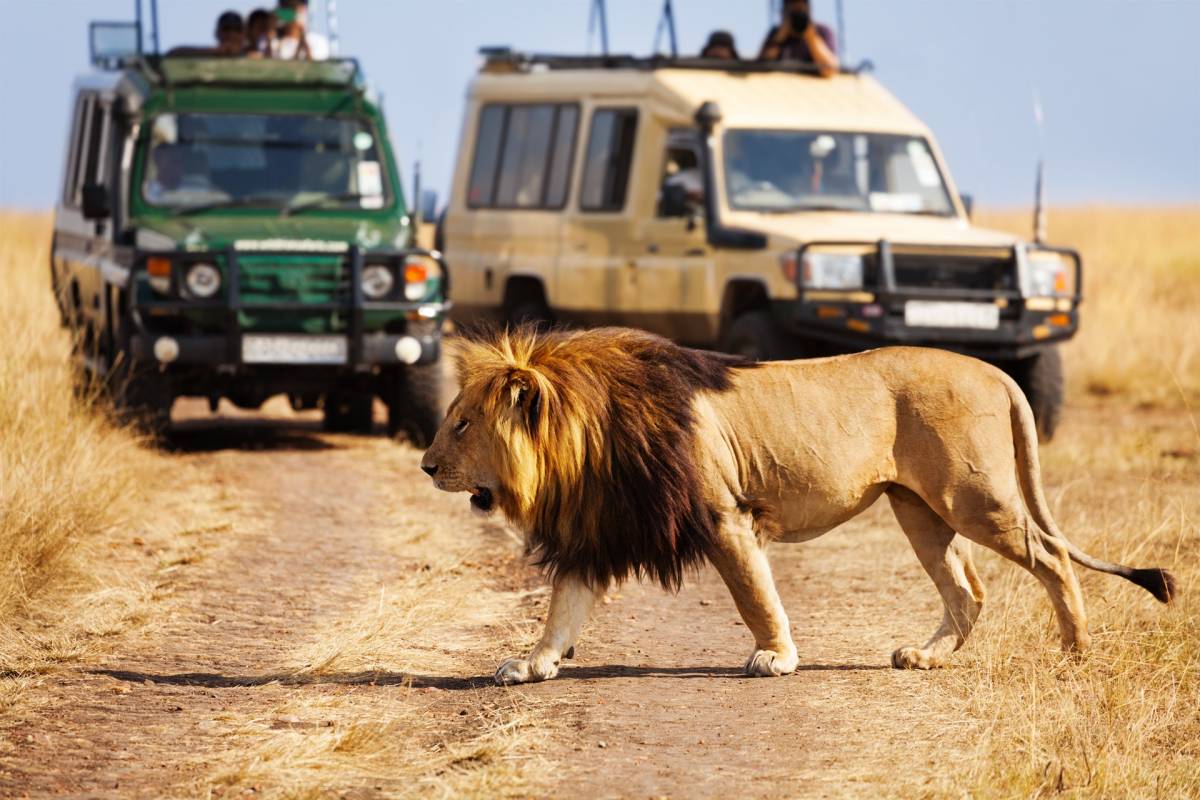
Vehicle impact gets carefully managed through designated road networks, speed limits in sensitive areas, and regular maintenance to prevent oil leaks. Eco-friendly safari operators limit the number of vehicles per wildlife sighting and maintain safe distances from animals to prevent behavioral disruption.
Supporting local economies and community development
Community-based tourism Africa creates direct economic opportunities for people living near wildlife areas. Rather than excluding communities from conservation zones, responsible operators partner with local villages to provide employment as guides, trackers, cooks, and craftspeople.
Many lodges source materials locally – from building stones to furniture made by village artisans. This approach keeps tourism revenue circulating within communities rather than flowing to foreign corporations. Local hiring policies ensure that leadership positions go to community members whenever possible, building capacity for long-term sustainability.
Educational partnerships emerge as operators fund schools, healthcare clinics, and clean water projects in nearby communities. Some organizations establish community conservancies where local people manage wildlife areas collectively, receiving direct payments for conservation outcomes like increased wildlife populations.
Prioritizing wildlife protection over profit margins
Wildlife conservation through tourism requires operators to make difficult choices that sometimes reduce short-term profits. Ethical companies enforce strict wildlife viewing guidelines, even when clients pressure guides to get closer for better photos. They refuse to offer interactions with captive wildlife or support facilities that exploit animals for entertainment.
Seasonal area closures protect critical breeding and nesting sites, even during peak tourist seasons when revenue loss hurts most. Responsible operators contribute significant percentages of their profits directly to conservation organizations and anti-poaching efforts.
Some companies go further by hiring former poachers as guides and trackers, providing alternative livelihoods that transform potential threats into conservation allies. These programs recognize that wildlife protection succeeds only when local people benefit more from living animals than dead ones.
Educating travelers about conservation challenges
Sustainable wildlife tourism transforms visitors into conservation ambassadors through immersive educational experiences. Guides receive extensive training in ecology, animal behavior, and conservation challenges, enabling them to share complex information in accessible ways.
Pre-trip briefings prepare travelers for responsible wildlife viewing, explaining why certain behaviors help or harm animals. During safaris, guides highlight conservation success stories alongside ongoing challenges like habitat loss, human-wildlife conflict, and climate change impacts.
Many operators partner with research organizations, allowing guests to participate in citizen science projects like wildlife monitoring and data collection. These hands-on experiences create deeper connections between travelers and conservation work, often leading to ongoing support long after the trip ends.
Post-trip engagement continues through newsletters, conservation updates, and opportunities to contribute to specific projects visitors witnessed firsthand. This approach creates a global network of informed advocates who understand the real costs and benefits of wildlife conservation.
How Safari Tourism Generates Critical Conservation Funding

Park Entrance Fees Directly Supporting Wildlife Protection Programs
Park entrance fees represent one of the most direct ways safari conservation funding flows from tourists to wildlife protection. When you pay that $60-80 daily conservation fee at Kenya’s Masai Mara or Tanzania’s Serengeti, you’re literally funding ranger salaries, equipment purchases, and habitat management programs.
These fees typically account for 40-70% of national park budgets across East Africa. In Botswana, park entrance revenues fund critical water point maintenance during dry seasons, ensuring wildlife survival during drought periods. The Kruger National Park in South Africa generates over $100 million annually from gate fees alone, with these funds supporting veterinary services, infrastructure maintenance, and boundary fence repairs that prevent human-wildlife conflict.
Conservation safari operations demonstrate remarkable transparency in fee allocation. Many parks now publish annual reports showing exactly how entrance fees support specific conservation outcomes – from purchasing new GPS collars for elephant tracking to funding specialized rhino monitoring units.
Anti-Poaching Initiatives Funded by Tourism Revenue
Tourism revenue creates sustainable funding streams for sophisticated anti-poaching operations that would otherwise rely on unpredictable donor funding. The Amboseli ecosystem in Kenya uses tourism earnings to maintain a 24/7 ranger network equipped with night-vision equipment and GPS tracking systems.
Private conservancies showcase the power of wildlife conservation through tourism funding models. The Laikipia Conservancy employs over 300 rangers whose salaries come entirely from safari lodge partnerships and visitor fees. These rangers operate drone surveillance systems, maintain rapid response units, and coordinate with Kenya Wildlife Service on intelligence-led operations.
Technology upgrades funded by tourism include:
- Thermal imaging cameras for night patrols
- Radio communication networks spanning vast territories
- Vehicle maintenance for ranger mobility
- Dog units trained for ivory and rhino horn detection
- Satellite monitoring systems for real-time wildlife tracking
The Northern Rangelands Trust in Kenya demonstrates measurable results: areas with sustainable wildlife tourism funding report 70% lower poaching incidents compared to regions without tourism revenue streams.
Research and Monitoring Programs Sustained by Visitor Contributions
Scientific research forms the backbone of effective conservation, and safari tourism provides the consistent funding that makes long-term studies possible. The Gombe Stream Research Centre, where Jane Goodall began her groundbreaking chimpanzee studies, continues operating today through visitor contributions and responsible safari tourism partnerships.
Visitor fees support essential monitoring programs including annual wildlife censuses, migration pattern studies, and genetic diversity research. In the Maasai Mara, tourism revenue funds the deployment of GPS collars on wildebeest, providing crucial data for understanding climate change impacts on the Great Migration.
Research initiatives directly funded by safari tourism include:
| Research Focus | Tourism Contribution | Conservation Impact |
| Elephant family structure studies | GPS collar funding | Reduced human-elephant conflict |
| Predator-prey relationship monitoring | Camera trap networks | Balanced ecosystem management |
| Vegetation mapping | Drone survey equipment | Habitat restoration planning |
| Climate change adaptation studies | Long-term data collection | Species survival strategies |
The Ewaso Lions Project in Kenya exemplifies how community-based tourism Africa supports scientific research. Tourist donations fund radio collars, veterinary interventions, and community education programs that have increased lion populations by 67% since 2007. Without consistent tourism funding, these multi-year studies would face constant interruption, limiting their scientific value and conservation impact.
Research stations across Africa report that tourism-derived funding provides the stability needed for meaningful scientific contributions, creating a virtuous cycle where better research leads to more effective conservation and enhanced wildlife viewing experiences.
Economic Benefits for Local Communities Through Safari Tourism

Creating employment opportunities for local guides and staff
Safari tourism creates thousands of jobs across Africa, directly employing local communities as guides, trackers, camp staff, drivers, and rangers. These positions often pay significantly higher wages than traditional occupations like subsistence farming or livestock herding. Experienced local guides earn competitive salaries while sharing their intimate knowledge of wildlife behavior, traditional medicine, and cultural history with visitors.
The employment extends beyond frontline positions. Safari camps and lodges require cooks, housekeepers, maintenance workers, security personnel, and administrative staff. Many operators prioritize hiring from nearby villages, creating economic lifelines for entire families. Women particularly benefit from opportunities in hospitality roles, craft production, and cultural performances.
Training programs funded by responsible safari tourism help locals develop specialized skills. Guide certification courses, first aid training, and language classes boost earning potential while building career paths within the industry. Some communities have established their own guide associations, setting standards and ensuring fair compensation for their members.
Generating income for community-owned conservancies
Community-based tourism Africa models have revolutionized conservation by giving local populations direct financial stakes in wildlife protection. In Kenya’s Maasai Mara, community conservancies receive lease payments from safari operators, generating millions of dollars annually for participating landowners. These payments often exceed income from livestock or agriculture, creating powerful incentives to maintain wildlife habitats.
The conservancy model works by pooling individual land parcels under collective management agreements. Communities receive monthly payments based on acreage contributed, wildlife densities, and tourism performance. Revenue sharing ensures that benefits reach multiple households rather than concentrating wealth among a few operators.
| Conservancy Benefits | Monthly Impact per Household |
| Land lease payments | $50-200 USD |
| Employment opportunities | $100-500 USD |
| Business partnerships | $25-100 USD |
| Conservation bonuses | $10-50 USD |
Northern Kenya’s conservancies have transformed former conflict zones into thriving wildlife areas. The Samburu communities now earn more from tourism than traditional pastoralism, while wildlife populations have rebounded dramatically.
Supporting traditional crafts and cultural enterprises
Sustainable wildlife tourism creates markets for authentic cultural products, breathing new life into traditional crafts. Visitors seek genuine souvenirs that connect them to local heritage, driving demand for beadwork, woodcarvings, textiles, and pottery. These purchases provide supplemental income for artisans, particularly women who can work from home while managing family responsibilities.
Cultural tourism components like village visits, traditional ceremonies, and storytelling sessions generate additional revenue streams. Communities charge entrance fees for cultural centers, organize paid performances, and offer workshops where visitors learn traditional skills. These activities preserve cultural knowledge while creating economic value.
Some safari operators have established craft cooperatives that guarantee fair prices and consistent markets for local artisans. The cooperatives provide training in quality control, pricing strategies, and business management. Members learn to adapt traditional designs for modern markets while maintaining cultural authenticity.
Digital platforms now connect remote artisan communities with global buyers, extending market reach beyond safari visitors. Online sales of traditional crafts can generate year-round income, reducing dependence on seasonal tourism fluctuations.
Providing alternative livelihoods to reduce human-wildlife conflict
Conservation safari programs offer crucial alternatives to activities that bring communities into conflict with wildlife. Instead of hunting bushmeat or poisoning predators that threaten livestock, locals can earn income from protecting these same animals. Former poachers become wildlife guides and community rangers, using their tracking skills for conservation rather than exploitation.
Beekeeping projects funded by tourism revenue create human-elephant conflict solutions. Elephants naturally avoid bee colonies, so strategic hive placement protects crops while producing honey for sale. Tourism lodges purchase honey directly from communities, guaranteeing markets and premium prices.
Eco-friendly safari initiatives support sustainable agriculture techniques that coexist with wildlife. Farmers learn methods that reduce crop-raiding incidents while maintaining productivity. Solar-powered fencing systems, funded through tourism partnerships, protect fields without harming animals.
Community ranger programs employ locals to monitor wildlife, report poaching incidents, and maintain conservancy boundaries. These positions provide steady income while building conservation capacity within communities. Rangers often become tourism ambassadors, leading nature walks and sharing conservation stories with visitors.
The transformation from conflict to coexistence creates lasting change. When wildlife becomes a valuable economic asset rather than a costly nuisance, communities actively participate in protection efforts. This shift in perspective drives the success of community-based tourism models across Africa.
Wildlife Conservation Success Stories Powered by Tourism

Rhino Population Recovery in Community Conservancies
The Northern White Rhino’s near extinction grabbed headlines, but behind the scenes, responsible safari tourism has been quietly fueling remarkable recovery stories across Africa. In Kenya’s Laikipia region, community conservancies have transformed from cattle ranches into thriving rhino sanctuaries, with tourism revenue making this transition financially viable for local landowners.
The Ol Pejeta Conservancy stands as a prime example, where tourism funds support 24-hour armed security for their 140 black and white rhinos. Visitors pay premium rates to witness these magnificent creatures up close, with every dollar directly funding anti-poaching patrols, veterinary care, and breeding programs. The conservancy has achieved zero poaching incidents in recent years, a stark contrast to other regions where tourism investment remains limited.
Community-owned conservancies in Namibia have taken this model even further, with local communities receiving direct payments for rhino conservation. The Torra Conservancy has seen its black rhino population grow from 30 to over 80 animals since implementing sustainable wildlife tourism programs. Local residents now earn more from guiding tourists to see rhinos than they ever did from traditional livestock farming.
Elephant Protection Through Tourism-Funded Ranger Programs
African elephant populations face unprecedented pressure from poaching and habitat loss, but tourism-funded ranger programs are creating protective corridors across the continent. In Tanzania’s Ruaha ecosystem, safari lodges pool tourism revenue to fund ranger training, equipment, and salaries that government budgets simply cannot support.
The Grumeti Fund in the Serengeti demonstrates how conservation safari initiatives can scale up protection efforts. Tourism revenue funds over 100 community rangers who patrol 350,000 acres, using advanced technology like thermal imaging cameras and GPS tracking systems. These rangers have reduced elephant poaching by 95% in their area of operation since 2003.
Kenya’s Amboseli ecosystem showcases how tourism creates economic incentives for elephant protection. Local Maasai communities receive direct payments from lodge revenues, earning significantly more from living elephants than they would from selling ivory. The Big Life Foundation, supported entirely by tourism contributions, operates across 1.6 million acres with community rangers who have intercepted countless poaching attempts.
Rangers funded through ethical safari travel programs receive comprehensive training in wildlife monitoring, first aid, and conflict resolution. They become skilled professionals rather than subsistence farmers, creating career paths that directly benefit wildlife conservation while supporting their families.
Predator Conservation Initiatives Reducing Livestock Conflict
Large predators face intense pressure from livestock owners, but tourism revenue has funded innovative programs that turn potential enemies into conservation allies. The Ewaso Lions project in Kenya uses tourism funding to compensate herders for livestock losses, removing the economic incentive to kill lions in retaliation.
In Botswana’s Okavango Delta, safari operators fund predator-proof livestock enclosures for local communities, dramatically reducing human-wildlife conflict. These bomas (traditional enclosures) protect cattle at night while allowing predators to roam freely, creating a win-win scenario that tourism revenue makes possible.
The Cheetah Conservation Fund in Namibia has pioneered livestock guardian dog programs funded entirely through community-based tourism Africa initiatives. These specially trained dogs reduce livestock losses by up to 90%, eliminating the need for farmers to kill cheetahs. Tourism visitors often sponsor individual dogs, creating personal connections between travelers and conservation outcomes.
Wild dog conservation in Zimbabwe’s Hwange ecosystem relies heavily on tourism support. Safari operators fund GPS collaring programs that track pack movements, helping communities anticipate when predators might threaten livestock. Early warning systems funded through tourism have reduced retaliatory killings by 70% in participating areas.
These programs prove that wildlife conservation through tourism creates sustainable solutions by addressing root causes of human-wildlife conflict rather than simply treating symptoms.
Choosing Ethical Safari Operators and Accommodations

Identifying genuine eco-certified lodges and tour companies
Finding truly sustainable safari operators and accommodations requires looking beyond flashy marketing claims. Start by checking for legitimate certifications from recognized organizations like the Global Sustainable Tourism Council (GSTC), Fair Trade Tourism, or Travelife. These certifications involve rigorous third-party audits that verify actual environmental and social practices.
Look for specific details about their conservation efforts rather than vague statements. Authentic eco-certified lodges will openly share data about their water conservation systems, renewable energy usage, waste management programs, and wildlife monitoring contributions. They’ll also display their certification numbers and renewal dates prominently on their websites.
Research the operator’s track record through conservation organizations and travel review platforms. Genuine sustainable safari operators often partner with established wildlife research institutions, anti-poaching units, or community development organizations. Cross-reference their claimed partnerships by checking the partner organizations’ websites directly.
Pay attention to staff credentials and training programs. Responsible safari operators invest in local guide education through recognized institutions and wildlife conservation training programs. This investment demonstrates long-term commitment to both quality experiences and community development.
Evaluating community partnership programs and transparency
Responsible travel Africa operators should clearly outline their community benefit programs with specific, measurable impacts. Look for detailed information about employment statistics, particularly the percentage of local staff in management positions, not just entry-level roles. Genuine community-based tourism Africa initiatives will share stories and testimonials from local community members, complete with names and photos when appropriate.
Examine their purchasing policies and supply chains. Ethical safari operators prioritize buying from local suppliers, farmers, and artisans, creating economic ripple effects throughout the region. They should be transparent about what percentage of their revenue stays within local communities and how they support local businesses.
Check for community development projects beyond tourism. The best operators contribute to schools, healthcare facilities, clean water initiatives, or skills training programs. They’ll provide progress reports, photos, and measurable outcomes from these projects rather than just mentioning them in passing.
Financial transparency matters significantly. Some operators share annual sustainability reports detailing their community investments, environmental impact reductions, and conservation contributions. This level of openness indicates genuine commitment to responsible safari tourism principles.
Assessing wildlife viewing practices and ethical standards
Ethical wildlife viewing practices form the foundation of conservation safari experiences. Research the operator’s wildlife interaction policies carefully. Responsible operators maintain strict minimum distances from animals, limit vehicle numbers at sightings, and never permit feeding, touching, or disturbing wildlife for photo opportunities.
Examine their approach to rare or sensitive species encounters. Sustainable safari operators often have specific protocols for viewing endangered animals like rhinos or cheetahs, including restricted access times, specialized vehicles, and mandatory guide supervision. They work closely with conservation researchers to ensure viewing activities support rather than hinder wildlife studies.
Look for operators who contribute to wildlife monitoring and research programs. Many eco-friendly safari companies train their guides to collect data during game drives, supporting ongoing conservation research. This citizen science approach adds value to your safari experience while contributing to wildlife protection efforts.
Check their policies regarding night drives, off-road driving, and seasonal area closures. Responsible operators respect wildlife breeding seasons, migration patterns, and habitat sensitivity by adjusting activities accordingly. They’ll clearly communicate these restrictions to guests and explain the conservation reasoning behind them.
Understanding carbon offset and sustainability commitments
Climate impact represents a crucial consideration when selecting sustainable safari operators. Look for companies that provide detailed carbon footprint calculations for their operations, including transportation, accommodation energy use, and activity-related emissions. The most responsible operators offer multiple carbon offset options and partner with verified offset programs.
Evaluate their renewable energy commitments and conservation technologies. Leading eco-friendly safari lodges invest in solar power systems, energy-efficient lighting, water recycling systems, and sustainable building materials. Some even achieve carbon-neutral or carbon-negative operations through comprehensive sustainability programs.
Check their transportation policies and vehicle maintenance standards. Responsible operators maintain newer, fuel-efficient vehicles, train drivers in eco-friendly driving techniques, and optimize route planning to minimize unnecessary travel. Some invest in electric or hybrid vehicles where infrastructure allows.
Examine their long-term sustainability goals and progress reporting. The best operators set measurable targets for reducing environmental impact, increasing community benefits, and enhancing conservation contributions. They publish annual reports tracking their progress against these goals, demonstrating accountability and continuous improvement in their responsible safari tourism practices.
Maximizing Your Conservation Impact as a Safari Traveler

Supporting Community-Based Tourism Initiatives
Community-based tourism initiatives represent the gold standard of responsible safari tourism, creating direct economic benefits for local people while protecting wildlife habitats. When you choose safari operators that work closely with indigenous communities, your travel dollars flow directly to the people who have been wildlife guardians for generations.
Look for safari experiences run by local communities themselves, such as Maasai-operated conservancies in Kenya or San Bushmen cultural programs in Botswana. These programs typically reinvest tourism profits into community development projects like schools, healthcare clinics, and water systems. The Maasai Mara’s community conservancies, for example, generate over $100 million annually for local families while protecting critical wildlife corridors.
Before booking, ask operators about their community partnerships. Authentic community-based tourism programs will provide transparency about how much money reaches local families and what specific projects your visit supports. Many offer visitors the chance to visit local schools, participate in traditional activities, or contribute to ongoing community projects.
You can also support community initiatives by purchasing locally-made crafts directly from artisans rather than through intermediaries. This ensures craftspeople receive fair compensation for their work while preserving traditional skills and cultural heritage.
Contributing to Wildlife Research and Monitoring Programs
Your safari can become a valuable scientific contribution through citizen science programs that rely on tourist observations and participation. Many conservation organizations have developed innovative ways for travelers to assist with wildlife research and monitoring efforts during their trips.
Popular programs include wildlife identification apps like iNaturalist or eBird, where your animal sightings contribute to global biodiversity databases used by researchers worldwide. Some safari operators partner with organizations like WildCRU (Wildlife Conservation Research Unit) at Oxford University, allowing guests to contribute to ongoing studies on lion behavior, elephant migration patterns, or bird population monitoring.
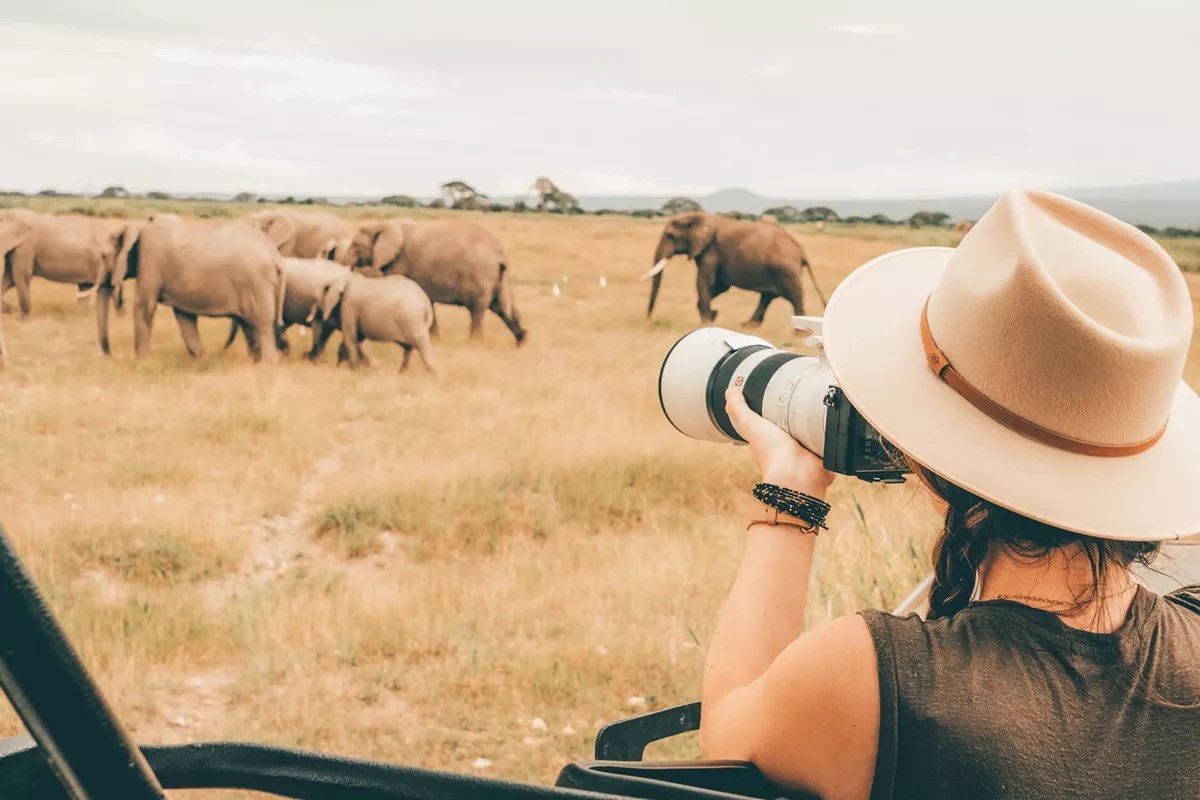
Photography-based research programs are particularly impactful for safari travelers. The Great Grevy’s Rally in Kenya uses tourist photos to track individual zebras through their unique stripe patterns, while elephant identification projects in various African countries rely on tourist images to monitor herd movements and family structures.
Many lodges now offer specialized research-focused safari experiences where guests work alongside field biologists. These programs might involve radio-collaring animals, collecting genetic samples, or participating in wildlife counts. While these specialized trips cost more, they provide unparalleled learning opportunities while directly supporting critical conservation research.
Consider extending your trip by a few days to participate in wildlife monitoring programs. Organizations like Earthwatch offer week-long research expeditions that perfectly complement traditional safari experiences.
Making Responsible Purchasing Decisions During Your Trip
Every purchase decision you make during your safari sends a message about what kind of tourism practices you support. Smart shopping choices can amplify your conservation impact while avoiding products that harm wildlife or exploit local communities.
What to Buy:
- Handicrafts made by local artisans using sustainable materials
- Coffee, tea, or honey produced by community cooperatives
- Locally-woven textiles using traditional methods
- Artwork created by local artists depicting wildlife and cultural themes
- Products certified by Fair Trade or similar ethical trading organizations
What to Avoid:
- Any items made from endangered species (ivory, rhino horn, exotic skins)
- Mass-produced souvenirs with no connection to local culture
- Products that contribute to habitat destruction (certain tropical woods)
- Items sold by vendors who cannot explain their sourcing or production methods
When shopping at markets or curio shops, engage with sellers about their products’ origins. Ethical vendors will proudly explain how their goods support local communities or conservation efforts. Many community-run safari lodges have gift shops featuring products made by local women’s cooperatives or youth groups, ensuring your purchases directly benefit conservation and community development programs.
Consider setting aside a specific budget for community purchases beyond your regular shopping. This intentional approach to spending ensures you’re making a meaningful economic contribution to the places you visit while taking home authentic mementos of your responsible safari tourism experience.

Safari tourism has proven itself as a powerful force for good when done right. By choosing ethical operators and staying at community-owned lodges, travelers can directly fund wildlife protection programs while creating meaningful jobs for local people. The success stories are real – from rhino population recoveries in Namibia to elephant conservation in Kenya, tourism dollars have made the difference between extinction and survival for countless species.
Your next safari adventure can be part of this positive change. Look for operators who transparently share how your money supports conservation projects and local communities. Ask about their partnerships with wildlife organizations and community development programs. When you travel responsibly, every game drive becomes an investment in protecting the incredible wildlife and ecosystems that make Africa so special. The animals, communities, and future generations will thank you for choosing conservation over convenience.