








Traveler-Focused Inspiration & Personalization
Solo Traveler’s Guide to African Safaris: Confidence in the Wild
Solo Traveler’s Guide to African Safaris: Confidence in the Wild
Africa’s vast wilderness calls to adventurous souls ready to explore on their own terms. This solo safari guide is designed for independent travelers who want to experience African wildlife without waiting for companions or joining crowded group tours.
Solo safari travel offers unmatched freedom to follow your own rhythm and interests, but it requires smart planning and preparation. Single traveler safaris can feel overwhelming at first, but with the right knowledge, you’ll discover that exploring Africa alone creates deeply personal connections with nature and local cultures.
We’ll walk you through essential solo safari planning strategies that turn nervous anticipation into excited confidence. You’ll learn practical solo safari tips for choosing the right destinations and accommodations that cater to independent travelers. We’ll also cover solo safari safety strategies that keep you secure while maintaining the spontaneous spirit of adventure that makes solo wildlife safaris so rewarding.
Essential Safari Planning for Solo Adventurers

Choose the Right Safari Destinations for First-Time Solo Travelers
Starting your solo safari journey requires picking destinations known for their safety, infrastructure, and solo-friendly environments. South Africa tops the list for solo safari travel, offering excellent roads, reliable communication networks, and world-class game reserves like Kruger National Park. The country’s established tourism infrastructure makes it perfect for independent safari travel.
Kenya and Tanzania provide incredible wildlife experiences with well-developed safari circuits. The Masai Mara and Serengeti offer abundant wildlife viewing opportunities, while established camps and lodges cater specifically to solo travelers. These destinations have strong safety records and experienced local guides who understand solo traveler needs.
Botswana appeals to more adventurous solo safari enthusiasts, particularly the Okavango Delta region. While slightly more remote, the country maintains high safety standards and offers unique water-based safari experiences.
For first-time solo safari adventurers, avoid destinations with political instability or limited tourist infrastructure. Stick to countries with established wildlife tourism industries, reliable medical facilities, and good communication networks.
Book Through Reputable Tour Operators with Solo-Friendly Policies
Selecting the right tour operator can make or break your solo wildlife safari experience. Look for companies specializing in small group tours or offering dedicated solo traveler programs. These operators understand the unique needs of single travelers and often waive single supplement fees or offer shared accommodation options.
Research operators with strong safety records, proper licensing, and positive reviews from other solo safari travelers. African Safari solo female travelers should specifically seek operators with female-friendly policies and female guides when available.
Key questions to ask potential operators:
- Do they offer guaranteed departures regardless of group size?
- What are their single supplement policies?
- How do they handle solo traveler room assignments?
- What safety protocols do they follow for single travelers?
- Can they provide references from previous solo clients?
Reputable operators will be transparent about costs, itineraries, and safety measures. They should also provide detailed pre-departure information and maintain 24/7 communication during your safari.
Time Your Safari for Optimal Wildlife Viewing and Weather
Solo safari planning requires careful consideration of seasonal patterns across different African regions. The dry season generally offers the best wildlife viewing as animals congregate around water sources, making spotting easier for solo travelers managing their own schedules.
East Africa timing:
- June to October: Peak dry season with excellent game viewing
- January to March: Calving season with dramatic predator action
- April to May: Heavy rains, fewer crowds, lower prices
Southern Africa timing:
- May to September: Cool, dry winter with concentrated wildlife
- October to November: Hot, dry conditions, excellent for photography
- December to April: Green season with migratory birds and baby animals
Consider your comfort level with different weather conditions. Solo travelers might prefer moderate temperatures during their first African safari experience. Rainy seasons offer lower costs and fewer crowds but can present transportation challenges for independent travelers.
Weather also affects road conditions and flight schedules, which matters more when you’re traveling alone and managing all logistics independently.
Budget Effectively for Solo Safari Expenses
Solo safari travel typically costs more per person due to single supplements and lack of cost-sharing opportunities. Plan for 30-40% higher expenses compared to group travel. However, strategic planning can help manage these costs effectively.
Essential budget categories:
| Expense Category | Budget Range (per day) | Solo Travel Tips |
| Accommodation | $150-$800 | Look for lodges waiving single supplements |
| Meals | $50-$150 | All-inclusive packages often better value |
| Transportation | $100-$400 | Group vehicle sharing reduces costs |
| Park Fees | $30-$80 | Non-negotiable but varies by destination |
| Activities | $50-$200 | Game drives, walking safaris, cultural visits |
Money-saving strategies for solo safari tips:
- Book during shoulder seasons for 20-30% savings
- Choose shorter safari durations with higher-quality experiences
- Consider mobile camping safaris for budget-conscious travelers
- Look for last-minute deals from operators filling spaces
Always budget for unexpected expenses like medical emergencies, trip extensions due to weather, or spontaneous activity additions. Solo travelers should maintain larger emergency funds since they can’t split unexpected costs with travel companions.
Currency considerations matter too. US dollars are widely accepted, but having local currency helps with tips, small purchases, and areas where cards aren’t accepted.
Build Your Confidence Before Departure

Research African Wildlife Behavior and Safety Protocols
Understanding animal behavior patterns can make or break your solo safari experience. Start by studying the Big Five – lions, leopards, elephants, buffalo, and rhinos – along with other species you’ll encounter. Learn their feeding times, territorial behaviors, and warning signs that indicate agitation or aggression.
Different seasons bring varying wildlife activities. During dry season, animals congregate around water sources, making sightings more predictable but also creating potentially dangerous situations. Wet season offers lush landscapes and birthing periods, but animals may be more dispersed and protective of their young.
Safety protocols vary between countries and parks. Research specific rules for your destination – some parks require guides for walking safaris, while others allow self-drive options. Familiarize yourself with emergency procedures, radio frequencies, and evacuation routes. Many solo safari travelers overlook the importance of understanding basic veterinary protocols for potential wildlife encounters.
Download offline wildlife identification apps and study animal tracks, sounds, and behavioral cues. This knowledge helps you maintain safe distances while maximizing viewing opportunities. African safari guides often spot tourists who’ve done their homework versus those who arrive unprepared.
Connect with Other Solo Safari Travelers Online
Building connections before your trip transforms solo safari travel from potentially isolating to incredibly rewarding. Facebook groups like “Solo Female Travelers Africa” and “Independent Safari Travelers” offer invaluable firsthand experiences, current safety updates, and practical advice from recent solo safari adventures.
Reddit communities r/solotravel and r/AFRICA provide real-time destination updates and honest reviews of tour operators, accommodations, and safety conditions. Many solo travelers share detailed itineraries, budget breakdowns, and photos that help you set realistic expectations.
Instagram hashtags like #solosafari, #africasolotravel, and #solofemaleTravelerAfrica connect you with like-minded adventurers. Direct message travelers whose journeys inspire you – most solo safari enthusiasts love sharing advice and experiences.
Consider joining virtual meetups or webinars hosted by African tourism boards or safari companies. These events often feature solo travelers sharing stories and practical tips specific to independent safari travel.
WhatsApp groups organized by travel dates or destinations can lead to meetups during your trip or shared transport arrangements, reducing costs while maintaining your independence.
Practice Essential Photography and Navigation Skills
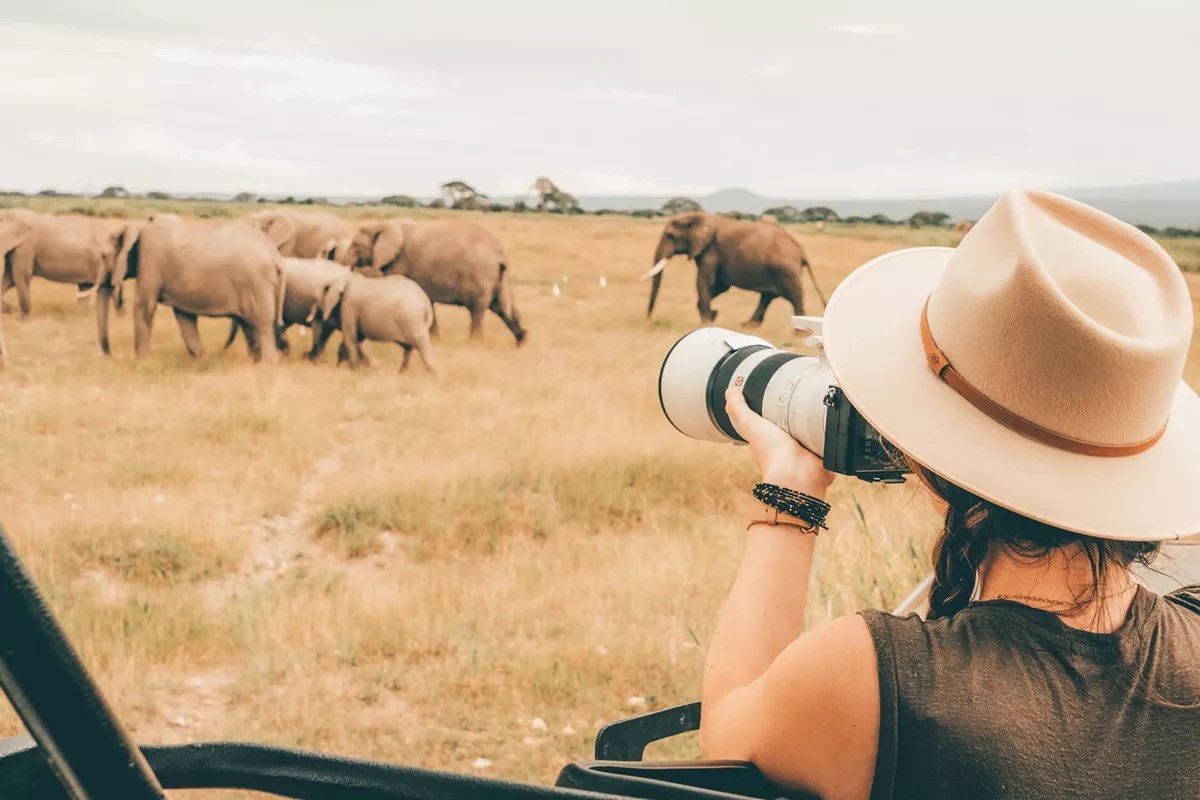
Photography skills directly impact your solo wildlife safari memories. Practice shooting in low-light conditions since early morning and late afternoon game drives offer the best wildlife viewing. Master manual camera settings for quick adjustments when that perfect shot appears unexpectedly.
Learn to use telephoto lenses safely – heavy equipment can become unwieldy during bumpy vehicle rides. Practice bracing techniques and understanding your camera’s autofocus patterns for moving subjects. Many solo safari travelers miss incredible shots because they haven’t practiced these fundamentals beforehand.
Navigation skills prove crucial for self-drive safaris or when exploring on foot with guides. Download offline mapping apps like Maps.Me or Google Maps offline features. Practice using GPS coordinates, as many African locations lack traditional addresses.
Learn to read topographical maps and understand elevation changes, water sources, and terrain types. This knowledge helps you anticipate wildlife locations and understand guide recommendations better.
Battery management becomes critical in remote locations. Practice extending battery life through power-saving modes and invest in portable charging solutions. Many solo travelers underestimate power consumption during extended photography sessions and navigation use.
Pack Smart for Solo Safari Success

Select Versatile Clothing for Various Climates and Activities
African safaris expose solo travelers to dramatic temperature swings and diverse environments within a single day. Your clothing choices can make or break your solo safari experience, especially when you don’t have travel companions to share gear with.
Pack neutral-colored clothing in khaki, olive green, or brown tones that blend with the African landscape. Bright colors and patterns can startle wildlife and make you stand out unnecessarily. Choose moisture-wicking fabrics that dry quickly since laundry facilities may be limited during your solo adventure.
Essential clothing items include:
- Long-sleeved shirts for sun protection and insect defense
- Lightweight pants that convert to shorts
- A warm fleece or jacket for early morning game drives
- A wide-brimmed hat with chin strap
- Comfortable, broken-in walking boots
- Quick-dry socks and underwear
Layer your clothing strategically. Mornings often start around 50°F (10°C) and can reach 90°F (32°C) by midday. A typical solo safari outfit might include base layers, a long-sleeved shirt, and a light jacket that you can peel off as temperatures rise.
Consider packing one slightly dressier outfit for lodge dinners, but keep it practical. Many solo safari travelers appreciate having clean, presentable clothes for social interactions with other guests and guides.
Bring Essential Safety and Communication Equipment
Solo safari travelers need reliable backup communication methods since you’re exploring remote areas without immediate support from travel companions. Your safety equipment serves as your lifeline when cell towers become distant memories.
Priority communication gear includes:
- Satellite communicator or personal locator beacon
- Portable power bank with solar charging capability
- Universal adapter for charging multiple devices
- Backup mobile phone with local SIM card
- Whistle for emergency signaling
Your solo safari guide should include a comprehensive first aid approach. Pack a waterproof headlamp with extra batteries, as power outages are common in remote safari camps. Include a multi-tool with knife, scissors, and bottle opener for daily camp life situations.
Consider a portable water purification system beyond the basic tablets. Solo travelers often venture to smaller, less developed camps where water quality varies. UV sterilizers or portable filters provide peace of mind when you’re managing your health independently.
A reliable watch becomes crucial for solo safari planning. Many remote areas lack consistent internet for checking time zones or scheduling. Choose a watch with multiple time zones if you’re crossing borders during your African adventure.
Choose the Right Camera Gear for Wildlife Photography
Solo safari travel demands smart camera choices since you’ll carry and manage all equipment independently. Wildlife photography opportunities happen quickly, so your gear needs to be accessible and reliable without overwhelming your packing capacity.
Essential camera equipment for solo safari success:
| Equipment Type | Recommended Specs | Solo Traveler Benefits |
| Camera Body | DSLR or mirrorless with good low-light performance | Captures dawn/dusk wildlife activity |
| Telephoto Lens | 70-200mm or 100-400mm | Safe distance wildlife photography |
| Extra Batteries | 4-6 spare batteries | No sharing with travel partners |
| Memory Cards | 64GB+ high-speed cards | Backup storage for extended trips |
| Lens Cleaning Kit | Microfiber cloths, solution | Dust protection in safari conditions |
Pack your camera gear in a dedicated, easily accessible bag that fits under your seat during game drives. Dust is your biggest enemy on African safaris, so bring protective covers and regularly clean your equipment.
Consider a lightweight tripod for stable shots during low-light conditions. Solo travelers often have more flexibility to set up shots without coordinating with group members. Image stabilization becomes particularly valuable when shooting handheld from moving safari vehicles.
Research your destination’s specific wildlife behavior to optimize your camera settings before departure. Understanding typical animal movements helps solo travelers anticipate photo opportunities and adjust equipment accordingly.
Pack Health and Medical Supplies for Remote Areas
Solo safari planning requires comprehensive health preparation since medical facilities may be hours or days away from remote camps. You’re responsible for managing your health needs without assistance from travel companions who might carry backup supplies.
Build a robust medical kit including prescription medications in original containers, plus extras in case of delays. Include copies of prescriptions and a letter from your doctor explaining any controlled substances. Anti-malarial medication is essential for most African safari destinations, so consult a travel medicine specialist weeks before departure.
Critical health supplies for solo travelers:
- Broad-spectrum antibiotics (with doctor consultation)
- Rehydration salts for treating dehydration
- Anti-diarrheal medication and probiotics
- Pain relievers and anti-inflammatory drugs
- Antihistamines for allergic reactions
- Insect repellent with DEET
- High-SPF sunscreen and after-sun care
- Basic wound care supplies and antiseptic
Research medical evacuation insurance specifically designed for remote African travel. Solo travelers should understand evacuation procedures and ensure their insurance covers helicopter or fixed-wing aircraft transport to proper medical facilities.
Consider your specific health needs and pack accordingly. Diabetic solo travelers need extra testing supplies and insulin storage solutions. Contact lens wearers should bring glasses as backup since dust and dry conditions can irritate eyes during game drives.
Navigate Cultural Experiences with Confidence

Learn Basic Local Language Phrases and Customs
Connecting with locals during your solo safari travel becomes significantly easier when you show respect for their language and traditions. Even learning a handful of Swahili phrases like “Jambo” (hello), “Asante” (thank you), and “Pole pole” (slowly, gently) demonstrates genuine interest in the culture. Most East African safari destinations use Swahili as a common language, while Southern Africa often employs English alongside local dialects.
Research the specific customs of your destination before departure. In many African cultures, greetings are lengthy and important social rituals. Don’t rush through them or skip directly to business. Understanding dining etiquette, gift-giving protocols, and appropriate dress codes helps you navigate social situations with confidence.
Pay attention to non-verbal communication patterns. Eye contact, hand gestures, and personal space vary dramatically across different African cultures. What seems friendly in one region might appear disrespectful in another. Local safari guides often serve as excellent cultural ambassadors, so ask questions about customs you observe.
Respect Wildlife Conservation Efforts and Local Communities
Your solo safari contributes directly to conservation efforts and community development when approached thoughtfully. Many African safari destinations operate on community conservancy models where tourism revenue directly supports local families and wildlife protection initiatives.
Choose operators that demonstrate clear commitment to sustainable practices. Look for certifications from organizations like the Global Sustainable Tourism Council or partnerships with respected conservation groups. Your solo traveler Africa adventure should leave a positive impact on the ecosystems and communities you visit.
Engage with community-based tourism projects whenever possible. These might include village visits, cultural centers, or locally-run craft cooperatives. Solo travelers often find these experiences more authentic and meaningful than standard tourist activities. Purchase souvenirs directly from artisans rather than imported goods from lodge gift shops.
Respect photography guidelines, especially when photographing people. Always ask permission before taking photos of local community members. Many cultures have specific beliefs about photography that solo safari travelers should honor.
Engage Meaningfully with Safari Guides and Staff
Your relationship with safari guides and lodge staff can make or break your solo wildlife safari experience. These professionals possess incredible knowledge about wildlife behavior, tracking techniques, and local ecosystems. Building rapport with them opens doors to exceptional wildlife viewing opportunities and cultural insights.
Show genuine interest in their expertise rather than treating them as service providers. Ask about their background in wildlife conservation, their most memorable animal encounters, or their thoughts on current conservation challenges. Most guides are passionate educators who love sharing their knowledge with engaged travelers.
Tip appropriately and consistently throughout your stay. Tipping customs vary by country, but generally expect to tip guides, trackers, and lodge staff separately. Cash tips in local currency or US dollars are typically preferred. Many solo safari travelers find that generous early tipping often results in extra attention and special experiences.
Communicate your interests clearly at the beginning of your safari. Whether you’re passionate about bird photography, big cat behavior, or plant identification, guides can customize your experience accordingly. Solo safari planning allows for this flexibility that group travelers rarely enjoy.
Respect the professional boundaries while remaining friendly and approachable. Safari guides work long hours in challenging conditions, and treating them with dignity and appreciation creates positive relationships that enhance your entire African safari alone experience.
Master Solo Safari Safety Strategies

Follow Wildlife Encounter Protocols and Maintain Safe Distances
African wildlife commands respect, and solo safari travel demands strict adherence to established safety protocols. Keep at least 25 meters from elephants, 100 meters from lions, and never approach rhinos or hippos on foot. Your guide will know the specific distances for each species, but as a solo traveler, you need to understand these basics before venturing out.
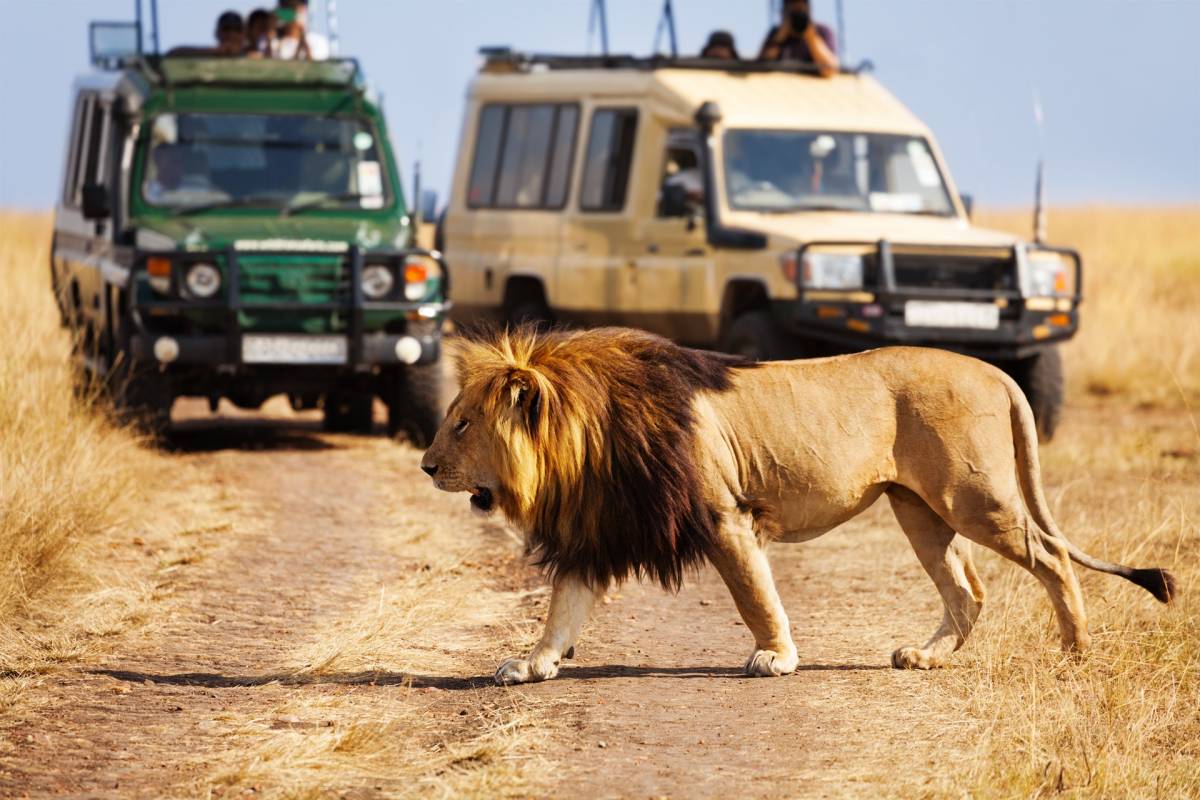
Game drives require constant vigilance. Stay seated in your vehicle with windows and doors closed unless specifically instructed otherwise by your guide. Wild animals view vehicles as single entities, but movement or noise can trigger defensive behaviors. If you’re on a walking safari, maintain absolute silence when your guide signals, and always position yourself behind the lead guide.
Photography enthusiasts often get carried away, but telephoto lenses exist for a reason. Never exit your vehicle for a better shot, and resist the urge to get closer for that perfect Instagram moment. Animals can cover ground incredibly quickly – a charging elephant reaches speeds of 40 km/h, giving you zero reaction time if you’re too close.
Stay Connected with Regular Check-ins and Emergency Plans
Solo safari planning requires bulletproof communication strategies. Share your detailed itinerary with trusted contacts at home, including camp names, phone numbers, and expected arrival times. Set up regular check-in times – daily calls work best for remote locations where cell service is spotty.
Satellite communicators like Garmin inReach devices provide peace of mind in areas without cell coverage. These devices send GPS coordinates with your messages, allowing emergency services to locate you precisely. Many African safari lodges are hours from medical facilities, making quick location identification critical.
Create a comprehensive emergency contact list including:
- Your safari operator’s 24-hour emergency number
- Local hospital and clinic contacts
- Embassy or consulate information
- Travel insurance emergency assistance
- Your home emergency contact details
Share this list with your accommodation and keep copies in multiple locations. Some solo travelers create laminated cards with essential information in local languages.
Trust Your Instincts and Communicate Boundaries Clearly
Your instincts are your best defense mechanism during solo wildlife safari adventures. If something feels off about a situation, location, or person, trust that feeling immediately. Experienced solo travelers develop heightened situational awareness – use this to your advantage.
Communicate your comfort levels clearly to guides and staff. You’re paying for the experience, so don’t hesitate to speak up about activities that make you uncomfortable. Professional guides respect clients who communicate boundaries and will adjust experiences accordingly.
Staff at reputable lodges undergo extensive training, but cultural differences sometimes create misunderstandings. Be direct about your preferences for personal space, room service timing, and activity participation. Solo female travelers should be especially clear about their boundaries regarding interactions with male staff members.
Practice saying “no” firmly but politely in the local language. Simple phrases like “Hapana” (no in Swahili) can be invaluable. Your confidence in setting boundaries often prevents situations from escalating.
Handle Unexpected Situations with Calm Confidence
Vehicle breakdowns, weather delays, and missed connections happen frequently on African safaris. Solo travelers need mental flexibility and practical problem-solving skills to handle these disruptions without panic.
Pack a personal emergency kit containing water purification tablets, basic first aid supplies, flashlight, and snacks. Keep essential medications in your carry-on bag, not checked luggage. Having backup supplies reduces anxiety when unexpected delays occur.
If separated from your group or experiencing vehicle problems, stay with your vehicle unless immediate danger exists. Vehicles are easier to spot from the air and provide protection from wildlife. Use your satellite communicator or cell phone to contact your operator immediately.
Weather emergencies require quick thinking. Flash floods can make roads impassable within minutes, while sudden storms can reduce visibility to zero. Listen to your guide’s weather assessments and don’t push for game drives when conditions deteriorate.
Document everything with photos and notes when problems arise. This information helps with insurance claims and provides valuable feedback to tour operators about safety protocols that need improvement.
Maximize Your Wildlife Viewing Experience

Position Yourself Strategically in Safari Vehicles
Your seat choice can make or break your solo safari wildlife viewing experience. Always aim for a window seat, preferably on the side that offers the best angles for photography and unobstructed views. In most safari vehicles, the middle rows provide the most stability for photography, while avoiding the bumpy back seats that can blur your shots.
As a solo traveler on African safari adventures, you have the flexibility to move around the vehicle when permitted. Take advantage of this freedom by switching sides based on wildlife activity and lighting conditions. Morning game drives typically offer better views on the eastern side, while afternoon drives favor western positioning.
Communicate with your guide about your photography interests and preferred wildlife sightings. Solo safari travel allows you to build a closer relationship with your guide, who can position the vehicle optimally for your specific interests. Don’t hesitate to ask them to turn off the engine during wildlife encounters – the silence dramatically improves your viewing experience and reduces vibrations for better photos.
Consider bringing a small cushion or beanbag to steady your camera gear. Many solo wildlife safari enthusiasts find that improvised camera supports create sharper images than handheld shots, especially with telephoto lenses during those magical golden hour moments.
Develop Patience and Observation Skills for Better Sightings
Wildlife viewing rewards the patient observer. Unlike group safaris where impatience can cut short incredible moments, solo safari travel gives you control over timing. Spend extended periods at water holes during dry season – these gathering spots often produce the most dramatic wildlife interactions.
Train your eyes to spot subtle movements and unusual shapes. Start by scanning the middle distance before focusing on foreground or distant objects. Wildlife often blends seamlessly with their environment, so look for horizontal lines in vertical landscapes, movement patterns that differ from swaying vegetation, and the telltale signs of ears, tails, or eyes.
Develop your listening skills alongside visual observation. Bird alarm calls often signal predator movement long before you see anything. The sudden silence of usually chatty monkeys can indicate a leopard’s presence. Ground hornbills’ deep calls might lead you to a hunting party worth following.
Keep a small notebook to track animal behavior patterns. Recording the times and locations of different species helps predict future sightings. Solo travelers have the advantage of maintaining detailed records without group distractions, building valuable insights that enhance each subsequent game drive.
Use binoculars even when animals appear close – they reveal fascinating behavioral details invisible to naked eyes. Watch for grooming rituals, social hierarchies, and feeding patterns that tell compelling stories about animal communities.
Document Your Journey Through Photography and Journaling
Photography serves as your primary storytelling medium for solo safari experiences. Invest time learning your camera’s manual settings before departure. African lighting conditions change rapidly, and automatic modes often struggle with backlighting and extreme contrasts common during golden hours.
Focus on capturing behavioral moments rather than just static portraits. Action shots tell more compelling stories – lions interacting with cubs, elephants bathing, or predators stalking prey. These images transport viewers into your solo African adventure long after you return home.
Maintain a daily safari journal alongside your photography. Record weather conditions, animal encounters, guide insights, and personal reflections. Solo safari planning often involves multiple parks, and detailed notes help you remember specific locations and circumstances surrounding your best sightings.
Write down local names for animals and plants your guide shares. This cultural knowledge adds depth to your travel stories and shows respect for indigenous wisdom. Many solo travelers discover that guides share more detailed information when they see genuine interest in local knowledge.
Create a simple coding system for your photos – marking GPS coordinates, time stamps, and brief behavioral notes. This organization system proves invaluable when editing hundreds of images post-trip. Solo wildlife safari documentation requires more personal organization since you won’t have travel companions to help reconstruct events.
Consider bringing a small voice recorder for capturing ambient sounds – dawn choruses, elephant communications, or lion roars add incredible atmosphere to future slide shows or video compilations of your independent safari travel adventure.
Overcome Common Solo Travel Challenges

Combat Loneliness Through Structured Social Interactions
Solo safari travel doesn’t mean you have to spend every moment alone. Many lodges and camps organize communal dining experiences where guests naturally mingle over shared meals and wildlife stories. Join guided game drives instead of private ones – you’ll meet fellow travelers who share your passion for African wildlife. Most safari guides are excellent conversationalists and love sharing local knowledge, cultural insights, and wildlife behavior with engaged solo travelers.
Consider staying at smaller camps with 10-15 guests rather than massive lodges. These intimate settings create natural opportunities for connections without feeling forced. Evening campfire gatherings are perfect for swapping travel tales and making temporary safari companions.
Book group activities like walking safaris, bird watching tours, or cultural village visits. These structured experiences bring solo travelers together around shared interests. Many solo safari participants end up forming lasting friendships during these activities.
Connect with online communities before departure. Facebook groups for solo travelers or specific safari destinations help you find others traveling similar routes. Some solo travelers even coordinate to book the same camps, splitting costs while maintaining independence.
Manage Single Supplement Fees and Accommodation Costs
Single supplement fees can add 30-100% to your solo safari travel costs, but smart planning minimizes this financial burden. Look for lodges that offer dedicated single rooms without supplements, particularly during shoulder seasons when occupancy rates drop.
Consider these cost-saving strategies:
| Strategy | Potential Savings | Best For |
| Shoulder season travel | 20-40% | Flexible schedules |
| Shared accommodation | 40-60% | Social solo travelers |
| Mobile camping safaris | 30-50% | Adventure seekers |
| Last-minute bookings | 15-30% | Risk-tolerant travelers |
Mobile camping safaris often welcome solo participants without hefty supplements since you’re sharing communal spaces anyway. These adventures offer authentic bush experiences while keeping costs reasonable for independent safari travel.
Some tour operators waive single supplements if you’re willing to share with another solo traveler of the same gender. This arrangement works well for solo safari planning since you maintain individual schedules while splitting accommodation costs.
Book directly with smaller safari operators who have more flexibility with pricing. They often prefer guaranteed bookings from solo wildlife safari enthusiasts over empty rooms, making them willing to negotiate single supplement fees.
Handle Meal Times and Downtime Confidently
Dining alone might feel awkward initially, but African safari lodges create welcoming environments for solo travelers. Most camps serve meals family-style or buffet-style, encouraging natural interactions. Bring a journal or photography equipment to review during meals – other guests often approach solo diners who appear engaged and approachable.
Use meal times strategically for planning your next game drive or reviewing wildlife sightings from earlier drives. Lodge staff and guides appreciate solo travelers who show genuine interest in wildlife behavior and local ecosystems.
During afternoon rest periods when it’s too hot for game viewing, embrace quiet activities. This downtime is perfect for:
- Organizing and editing photos from morning drives
- Reading field guides to identify wildlife you’ve spotted
- Journaling about your African safari alone experiences
- Learning local languages from friendly staff
- Planning future solo safari destinations
Many lodges offer spa services, cultural presentations, or nature walks during siesta hours. Solo travelers often have easier access to these activities since they don’t need to coordinate with travel companions.
Evening hours before dinner provide excellent opportunities for photography around the lodge or casual conversations with staff. Most safari guides and lodge managers enjoy discussing wildlife conservation, local communities, and sharing recommendations for solo safari tips with genuinely interested guests.
Remember that choosing solo travel means embracing spontaneity. Some of your best safari memories will come from unplanned conversations, unexpected wildlife sightings, and the freedom to fully immerse yourself in each moment without compromise.

The adventure of exploring Africa’s wild landscapes alone can transform how you see both the world and yourself. From planning your trip and building confidence to mastering safety strategies and connecting with local cultures, solo safaris offer unmatched freedom to experience wildlife on your own terms. Smart packing, strategic planning, and staying alert will help you navigate any challenges that come your way.
Your solo safari adventure is waiting, and you’re more prepared than you think. Trust your instincts, embrace the unexpected moments, and remember that some of life’s most incredible experiences happen when you step outside your comfort zone. Book that trip, pack your bags, and get ready to create memories that will last a lifetime in the heart of Africa’s wilderness.