







Destinations & Experiences
Hidden Safari Gems in Kenya Beyond Maasai Mara
Hidden Safari Gems in Kenya Beyond Maasai Mara
Kenya’s safari scene extends far beyond the crowded plains of Maasai Mara, offering incredible hidden safari destinations Kenya that most travelers never discover. This guide is perfect for adventurous travelers seeking authentic safari experiences Kenya away from tourist crowds, wildlife photographers looking for unique shots, and safari veterans ready to explore Kenya’s best-kept secrets.
You’ll discover northern Kenya safari destinations where elephants roam against dramatic desert backdrops and rare species thrive in pristine wilderness. We’ll explore coastal safari Kenya options that combine wildlife viewing with Indian Ocean breezes. Finally, you’ll learn the best time visit Kenya safari for each hidden gem, plus find unique safari accommodation Kenya that puts you right in the heart of these remote wilderness Kenya locations.
Get ready to experience the real Kenya – wild, untouched, and absolutely unforgettable.
Discover Kenya’s Lesser-Known Northern Safari Destinations

Experience Samburu National Reserve’s Unique Wildlife Species
Samburu National Reserve showcases Kenya’s most distinctive wildlife species that you won’t find anywhere else in the country. The Samburu Special Five – Grevy’s zebra, reticulated giraffe, Somali ostrich, gerenuk, and Beisa oryx – call this rugged landscape home. These animals have adapted to the arid conditions of northern Kenya safari destinations, making every game drive an extraordinary discovery.
The Ewaso Ng’iro River cuts through the reserve’s heart, creating a lifeline that attracts massive elephant herds, particularly during dry seasons. Leopards prowl the riverine forests while crocodiles bask along the muddy banks. Bird enthusiasts spot over 450 species here, including the vibrant lilac-breasted roller and the massive secretary bird.
Local Samburu communities maintain traditional lifestyles around the reserve, offering cultural experiences that add depth to your safari adventure. Their colorful attire and ancient practices create authentic encounters rarely found in more commercialized parks.
Explore Shaba National Reserve’s Dramatic Landscapes
Shaba National Reserve captivates visitors with its volcanic landscapes and crystal-clear springs that seem almost otherworldly. The reserve’s dramatic terrain features ancient lava flows, rocky outcrops, and acacia woodlands that create stunning backdrops for wildlife photography.
Joy Adamson’s famous camp from “Born Free” sits within Shaba’s boundaries, adding historical significance to your visit. The Shaba Springs provide year-round water sources that sustain diverse wildlife populations, including large herds of elephants and buffalo.
The reserve’s location along ancient migration routes means you’ll encounter species transitioning between different ecosystems. Cheetahs hunt across the open plains while klipspringers navigate the rocky terrain with remarkable agility. The combination of hidden safari destinations Kenya offers makes Shaba perfect for travelers seeking dramatic scenery alongside exceptional wildlife viewing.
Adventure Through Buffalo Springs’ Year-Round Water Sources
Buffalo Springs National Reserve forms part of the greater Samburu ecosystem but maintains its unique character through permanent springs that create oasis-like conditions in the semi-arid landscape. These natural water sources attract incredible concentrations of wildlife throughout the year, making it one of Kenya’s most reliable lesser-known safari parks Kenya.
The springs themselves bubble up from underground aquifers, creating pools of crystal-clear water surrounded by doum palms and fever trees. Elephants gather here in impressive numbers, particularly during dry months when water becomes scarce elsewhere. Watching these gentle giants interact around the springs provides unforgettable wildlife encounters.
Buffalo Springs connects seamlessly with Samburu and Shaba reserves via bridges across the Ewaso Ng’iro River, allowing for extended game drives across diverse habitats. The reserve’s compact size makes it perfect for intimate safari experiences where every corner reveals new wildlife activity.
Witness Meru National Park’s Successful Rhino Conservation
Meru National Park represents one of Kenya’s greatest conservation success stories, particularly for both black and white rhinoceros populations. The park’s rhino sanctuary protects these endangered giants within electrified enclosures, offering visitors rare opportunities to observe these magnificent creatures up close.
Beyond rhino conservation, Meru’s diverse ecosystems support impressive biodiversity across its 870 square kilometers. The park transitions from riverine forests along the Rojewero and Murera rivers to open grasslands and acacia woodlands. This habitat diversity attracts over 427 bird species and substantial populations of elephants, lions, and leopards.
The park’s remote location keeps visitor numbers low, creating authentic wilderness experiences that feel worlds away from crowded tourist circuits. Meru’s network of rivers and streams provides excellent wildlife viewing opportunities, especially during dry seasons when animals concentrate around permanent water sources.
Elsa the lioness from “Born Free” was released here, and her gravesite remains a poignant reminder of Kenya’s conservation heritage. The park’s commitment to protecting endangered species while maintaining wild landscapes makes it an essential stop for conservation-minded travelers exploring Kenya safari alternatives Maasai Mara.
Uncover Coastal Safari Experiences Beyond Traditional Game Parks

Track Elephants in Tsavo East’s Red Earth Plains
The rust-red soil of Tsavo East creates one of Kenya’s most dramatic safari backdrops, where massive elephant herds roam across 13,747 square kilometers of pristine wilderness. These coastal safari Kenya experiences offer something completely different from the crowded savannas elsewhere. The park’s elephants dust themselves in the iron-rich soil, creating spectacular crimson-colored giants that appear almost mystical against the thorny scrubland.
Your best viewing spots include the Galana River area, where elephants gather during dry seasons, and the Mudanda Rock – a natural water catchment that attracts wildlife year-round. The park’s vastness means you’ll often have entire herds to yourself, making this one of Kenya’s most authentic safari experiences Kenya destinations.
Photography here is exceptional due to the unique coloration and dramatic lighting conditions. Early morning drives reveal elephants emerging from acacia thickets, their red-dusted hides glowing in golden light. The park also hosts significant populations of lions, cheetahs, and over 500 bird species.
Explore Tsavo West’s Underground Caves and Springs
Tsavo West presents a completely different character from its eastern counterpart, featuring diverse landscapes that include the famous Mzima Springs and extensive lava tubes. The crystal-clear springs produce 50 million gallons of water daily, creating an underwater viewing chamber where you can watch hippos and crocodiles from below the surface.
The Shetani Lava Flows showcase Kenya’s volcanic history, while the caves provide refuge for bats and unique geological formations. Chaimu Crater offers panoramic views across this varied terrain, making Tsavo West one of the most geologically diverse hidden safari destinations Kenya has to offer.
Wildlife viewing here focuses on the permanent water sources, where elephants, buffalo, and various antelope species congregate. The park’s dramatic landscapes provide incredible photographic opportunities, especially around the Ngulia Hills where black rhinos roam protected sanctuary areas.
Discover Shimba Hills’ Rare Sable Antelopes
Shimba Hills National Reserve protects Kenya’s only population of sable antelopes, making it a crucial destination for serious wildlife enthusiasts. These magnificent creatures, with their curved horns and glossy black coats, represent just one reason why this coastal forest reserve deserves recognition among Kenya safari alternatives Maasai Mara.
The reserve’s elevated position creates a cooler climate and unique ecosystem supporting forest elephants, leopards, and rare bird species. Canopy walks through the indigenous forest offer completely different perspectives from traditional game drives. The Sheldrick Falls provides a refreshing swimming opportunity after wildlife viewing.
Accommodation options include the famous Shimba Lodge, built on stilts within the forest canopy, offering tree-level wildlife viewing right from your room. Night drives here reveal nocturnal species rarely seen elsewhere, including bush babies and various owl species.
Experience Arabuko Sokoke’s Endemic Bird Species
Arabuko Sokoke Forest represents East Africa’s largest remaining coastal forest fragment and harbors several endemic species found nowhere else on Earth. This remote wilderness Kenya destination attracts serious birders seeking the Sokoke scops owl, Clarke’s weaver, and the Sokoke pipit.
The forest’s ancient baobab trees and diverse habitats support over 230 bird species, plus golden-rumped elephant shrews and other rare mammals. Guided walks with local ornithologists provide the best chances of spotting endemic species, while butterfly enthusiasts will find over 260 species here.
The forest works closely with local communities, offering authentic cultural experiences alongside wildlife viewing. Visitors can participate in traditional honey harvesting, learn about medicinal plants, and support conservation efforts that protect this unique ecosystem for future generations.
Access Remote Wilderness Areas for Authentic Safari Adventures

Navigate Marsabit National Park’s Crater Lake Ecosystem
Marsabit National Park stands as one of Kenya’s most spectacular remote wilderness Kenya destinations, where ancient volcanic craters hold pristine lakes that create unique desert oases. The park’s crown jewel, Lake Paradise, sits within a massive volcanic crater surrounded by dense indigenous forest that defies the surrounding arid landscape.
The crater ecosystem supports an incredible diversity of wildlife rarely found together elsewhere. Desert-adapted elephants with smaller ears and leaner builds navigate between acacia woodlands and crater walls, while greater kudu with their magnificent spiral horns graze in the misty highland forests. The park’s isolation has created distinct behavioral patterns among resident animals – elephants here dig wells in dry riverbeds, creating water sources that benefit the entire ecosystem.
Bird enthusiasts discover over 350 species, including the endemic Marsabit sunbird and Jackson’s hornbill. The misty crater forests harbor secretive species like Harvey’s red duiker and bushbuck that venture out during early morning hours when visibility is limited by highland fog.
Weather patterns create dramatic daily transformations. Morning mist gives way to brilliant sunshine, revealing panoramic views across the Chalbi Desert stretching toward Ethiopia. Night temperatures drop significantly, creating a completely different atmosphere from typical safari destinations.
Venture into Turkana’s Ancient Fossil Sites
Lake Turkana region offers authentic safari experiences Kenya combined with paleontological wonders that span millions of years. This area, known as the “Cradle of Mankind,” contains fossil deposits that have revolutionized understanding of human evolution while providing unique wildlife viewing opportunities.
The fossil sites around Koobi Fora reveal layers of ancient lake beds where early hominid remains were discovered alongside fossilized crocodiles, hippos, and giant tortoises. Today’s landscape supports Grevy’s zebra, reticulated giraffe, and oryx populations that have adapted to harsh semi-desert conditions.
Central Island National Park, a volcanic island within Lake Turkana, hosts the world’s largest concentration of Nile crocodiles. These prehistoric predators bask on black volcanic shores while flamingos feed in alkaline waters. The juxtaposition creates extraordinary photographic opportunities unavailable anywhere else in Africa.
Local Turkana communities maintain traditional lifestyles that haven’t changed for centuries. Their decorated cattle and goat herds move across ancient migration routes, creating living cultural experiences alongside wildlife viewing. The region’s remoteness means visitor numbers remain extremely low, ensuring encounters with both wildlife and local people feel genuinely authentic.
Explore Chyulu Hills’ Volcanic Landscapes
The Chyulu Hills present off-the-beaten-path Kenya safari experiences across one of the world’s youngest mountain ranges, formed by volcanic activity less than 500 years ago. These rolling green hills create dramatic backdrops for wildlife viewing while offering completely different ecosystems from traditional savanna parks.
Volcanic caves formed by ancient lava tubes create underground networks that extend for miles. Kisula Cave and Leviathan Cave rank among Africa’s longest lava tubes, providing cool refuges for wildlife during hot afternoons. Elephants, buffalo, and various antelope species use these natural shelters, creating unique viewing opportunities for photographers willing to explore beyond standard game drives.
The hills support diverse vegetation zones from dry woodland to montane forest. This variation attracts wildlife species rarely seen together elsewhere. Mountain reedbuck graze misty grasslands while rock hyrax colonies occupy volcanic outcrops. Leopards hunt throughout the diverse terrain, adapting their techniques to different environments within the same territory.
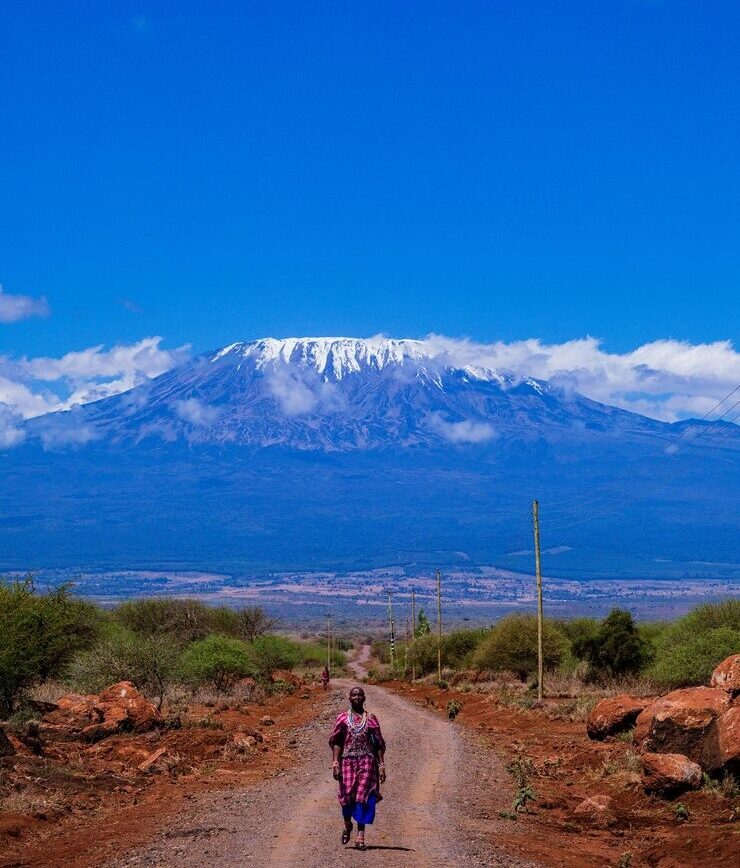
Scenic vistas reveal Mount Kilimanjaro’s snow-capped peak rising above the rolling volcanic landscape. Clear morning air provides unobstructed views across the border into Tanzania, creating panoramic photography opportunities that rival any African destination. The combination of unique geology, diverse wildlife, and stunning views makes Chyulu Hills perfect for travelers seeking hidden safari destinations Kenya that offer experiences far removed from crowded parks.
Time Your Visits for Maximum Wildlife Viewing Opportunities

Plan Around Lesser-Known Migration Patterns
While everyone knows about the Great Migration crossing into Maasai Mara between July and October, hidden safari destinations Kenya offers several smaller but equally spectacular migration patterns. The northern Kenya safari destinations witness zebra and elephant migrations that most tourists never experience. In Samburu, massive elephant herds move along the Ewaso Ng’iro River during dry seasons, creating incredible viewing opportunities from June to September.
The coastal regions experience their own unique movements. Tsavo East sees zebra migrations during November to December, when hundreds of thousands move between grazing areas. These lesser-known safari parks Kenya provide front-row seats to wildlife spectacles without the crowds.
Remote wilderness Kenya areas like Marsabit and Meru National Parks host seasonal antelope movements that coincide with rainfall patterns. Planning around these lesser-known patterns means better photography opportunities and more intimate wildlife encounters.
Capitalize on Off-Season Advantages
Visiting during Kenya’s quieter months transforms your safari experience completely. The rainy seasons (March to May and October to December) bring unexpected benefits to authentic safari experiences Kenya. Many parks become incredibly lush, attracting different bird species and creating dramatic landscape photography opportunities.
Northern Kenya safari destinations like Samburu and Shaba are particularly rewarding during these periods. The Ewaso Ng’iro River runs fuller, drawing more animals to its banks. Accommodation rates drop significantly, making luxury lodges more accessible.
Green season safaris offer unique advantages: fewer vehicles mean animals behave more naturally, vegetation creates interesting foregrounds for photography, and newborn animals appear in greater numbers. The off-the-beaten-path Kenya safari locations become even more exclusive during these months.
Leverage Local Weather Patterns for Better Sightings
Understanding microclimates across different regions dramatically improves your wildlife viewing success. Coastal safari Kenya experiences differ significantly from inland patterns. The coast enjoys cooler temperatures and ocean breezes year-round, making game viewing comfortable even during typically hot months.
Morning temperatures in northern regions drop considerably during dry seasons, causing animals to remain active longer. This extended activity window means better predator-prey interactions and more dynamic wildlife behavior. Local guides at hidden safari destinations Kenya know exactly when mist clears from valleys or when afternoon storms typically begin.
Each ecosystem responds differently to weather changes. Arid regions concentrate wildlife around water sources during dry spells, while forested areas like the Aberdares become more accessible to spot rare species during clearer weather windows.
Coordinate with Breeding Seasons for Unique Experiences
Timing visits around breeding seasons creates once-in-a-lifetime wildlife encounters. Best time visit Kenya safari varies dramatically depending on which species you want to observe. Elephant calving peaks occur during the rainy seasons, particularly March through May. These tiny elephants, often just hours old, provide incredibly emotional viewing experiences.
Bird breeding seasons transform landscapes into vibrant displays of color and activity. Northern regions host spectacular bird breeding from January to March, when migratory species arrive to nest. Lesser-known safari parks Kenya become birding paradises during these months.
Large carnivore breeding patterns create exciting opportunities too. Lion cubs born during dry seasons have better survival rates, making pride interactions more dynamic. Cheetah breeding in areas like Amboseli peaks during cooler months, increasing chances of observing mother-cub hunting lessons.
Coordinating multiple breeding seasons across different parks creates safari itineraries packed with unique wildlife experiences that most visitors never witness. These remote wilderness Kenya locations offer intimate glimpses into animal life cycles that commercial tourism rarely showcases.
Choose Accommodation Options That Enhance Your Hidden Gem Experience

Select Eco-Lodges Supporting Local Conservation
Staying at eco-lodges in Kenya’s hidden safari destinations Kenya creates a meaningful connection between your adventure and conservation efforts. These accommodations actively protect wildlife habitats while providing authentic safari experiences Kenya that traditional hotels can’t match. Properties like Saruni Samburu and Ol Malo Lodge in northern Kenya safari destinations demonstrate how luxury and environmental responsibility work together.
The best eco-lodges employ local communities as guides, chefs, and managers, creating economic incentives for wildlife protection. Your accommodation fees directly fund anti-poaching initiatives, community education programs, and habitat restoration projects. Many lodges maintain their own conservancies, giving you exclusive access to vast wilderness areas where wildlife roams freely without the crowds found in mainstream parks.
Look for certifications from organizations like the Kenya Association of Tour Operators (KATO) or international eco-tourism bodies. These properties often feature solar power, rainwater harvesting, and waste management systems that minimize environmental impact while maintaining comfort standards.
Book Remote Camps for Exclusive Wildlife Access
Remote wilderness Kenya camps offer unparalleled access to off-the-beaten-path Kenya safari experiences that commercial lodges simply cannot provide. Mobile camps like those operated by Richard Bonham Safaris move seasonally to follow migration patterns, positioning you exactly where wildlife action happens naturally.
These intimate camps typically host fewer than 20 guests, ensuring personalized attention and minimal environmental disturbance. Professional guides with decades of experience lead walking safaris, night game drives, and specialized activities like tracking radio-collared elephants or monitoring endangered species.
| Camp Type | Guest Capacity | Unique Features | Best Locations |
| Mobile Tented | 8-16 guests | Seasonal movement | Northern Kenya, Tsavo |
| Fly Camps | 4-8 guests | Walking safaris | Laikipia, Matthews Range |
| Bush Camps | 10-20 guests | Night drives | Samburu, Meru |
Remote camps provide authentic safari accommodation Kenya experiences where campfire dinners happen under star-filled skies, and morning coffee comes with elephant sightings at nearby waterholes.
Consider Community-Based Tourism Options
Community-based tourism represents the most authentic way to experience Kenya’s lesser-known safari parks Kenya while directly benefiting local people. Conservancies like Il Ngwesi and Lewa offer unique safari accommodation Kenya where Maasai and Samburu communities manage tourism operations on their ancestral lands.
These partnerships create win-win scenarios where communities earn sustainable income while maintaining traditional lifestyles and protecting wildlife. Guests enjoy cultural interactions that go beyond staged performances – sharing meals with families, learning traditional crafts, and understanding how indigenous knowledge supports conservation.
Community lodges often provide access to areas completely off-limits to commercial operators. You might track lions with Maasai warriors, learn about medicinal plants from village elders, or participate in cattle herding activities that have sustained communities for generations.
The accommodations range from simple banda-style rooms to luxury tented camps, but all emphasize cultural authenticity over amenities. Many community conservancies report higher wildlife densities than national parks because local people have strong incentives to protect animals that generate tourism revenue.
Your stay directly funds education, healthcare, and infrastructure projects while supporting conservation initiatives that protect critical wildlife corridors between major parks.

Kenya’s safari landscape extends far beyond the famous Maasai Mara, offering incredible wildlife encounters in places most travelers never consider. From the rugged northern territories where elephants roam freely to coastal conservancies where giraffes walk alongside pristine beaches, these hidden gems provide authentic African adventures without the crowds. The remote wilderness areas scattered throughout the country give you a chance to experience Kenya as it was meant to be – wild, untouched, and breathtaking.
Planning your visit during optimal wildlife viewing seasons and selecting the right accommodations can make or break your hidden gem safari experience. These lesser-known destinations reward those willing to venture off the beaten path with unforgettable memories and stories that most safari-goers will never have. Start exploring these incredible alternatives now – your perfect Kenyan adventure is waiting in places you haven’t even heard of yet.