





Wildlife, Culture & Conservation
Gorilla Trekking Preparation: Fitness, Permits & What to Expect
Gorilla Trekking Preparation: Fitness, Permits & What to Expect
Gorilla trekking offers one of the world’s most incredible wildlife experiences, but proper preparation makes the difference between an amazing adventure and a challenging ordeal. This guide is for travelers planning their first gorilla safari or anyone wanting to improve their mountain gorilla trekking experience in Uganda or Rwanda.
Getting ready for gorilla trekking involves three key areas that can make or break your trip. First, we’ll cover mountain trekking fitness training and the physical preparation needed to handle steep, muddy terrain at high altitude. You’ll also learn how to navigate the Rwanda gorilla permits and Uganda gorilla trekking permit systems, including timing, costs, and booking strategies. Finally, we’ll walk through your gorilla trekking packing list and what to expect during the actual trek, from early morning starts to that magical moment when you first spot a mountain gorilla family.
Smart gorilla safari preparation means knowing exactly what you’re getting into before you hit the trails.
Build Your Physical Fitness for Mountain Trekking

Develop cardiovascular endurance through regular hiking practice
Your heart and lungs need serious preparation for mountain gorilla trekking. The steep terrain and high altitude demand more from your cardiovascular system than a casual walk in the park. Start with 30-minute hikes on local trails at least three times per week, gradually increasing to 60-90 minute sessions. Focus on routes with elevation changes that mirror the conditions you’ll face in Uganda or Rwanda’s mountain forests.
Build up your endurance progressively over 8-12 weeks before your trip. Begin with easier trails and work up to more challenging terrain with sustained climbs. Include interval training by alternating between steady-paced walking and short bursts of faster movement uphill. This mirrors the stop-and-go nature of actual gorilla trekking, where you’ll pause frequently to listen for gorilla sounds and navigate through dense vegetation.
Don’t skip weekend longer hikes that last 3-4 hours. These extended sessions prepare your body for the mental and physical demands of potentially full-day treks to find mountain gorilla families in their natural habitat.
Strengthen leg muscles with targeted exercises and stair climbing
Your legs bear the brunt of mountain gorilla trekking across Rwanda’s Volcanoes National Park or Uganda’s Bwindi Impenetrable Forest. Strong quadriceps, hamstrings, and calf muscles prevent fatigue and reduce injury risk on steep, muddy trails.
Incorporate these exercises into your routine 4-5 times per week:
- Squats and lunges: Build power for uphill climbs and stability for downhill descents
- Step-ups: Use a sturdy bench or platform to simulate the high-step movements you’ll make over fallen logs and rocks
- Calf raises: Strengthen lower legs for better balance on uneven surfaces
- Wall sits: Develop muscle endurance for sustained effort during long trekking days
Stair climbing becomes your best friend during mountain trekking fitness training. Find a tall building, stadium, or outdoor stairway and climb for 20-30 minutes several times weekly. Start slowly and build intensity. This specific movement pattern directly translates to the steep ascents you’ll encounter while tracking gorilla families through bamboo forests and rocky slopes.
Improve core stability for balance on uneven terrain
Mountain gorilla trekking throws constant balance challenges your way. Muddy slopes, tangled roots, and dense undergrowth require strong core muscles to keep you upright and moving forward safely. A stable core also reduces back strain during long hours of hiking with your daypack.
Focus on functional core exercises that engage multiple muscle groups:
- Planks and side planks: Hold for 30-60 seconds to build endurance
- Dead bugs: Improve coordination between your core and limbs
- Bird dogs: Enhance balance while strengthening your back and glutes
- Russian twists: Develop rotational strength for navigating around obstacles
- Single-leg stands: Practice balance on unstable surfaces using a balance pad or pillow
Practice these movements 15-20 minutes daily, increasing difficulty as you progress. Strong core stability helps you recover quickly when you slip on wet leaves or need to duck under low branches while following park rangers to gorilla locations.
Practice walking with a daypack to simulate trekking conditions
Getting comfortable with your loaded daypack prevents surprises during your actual gorilla safari preparation. Your pack will carry water, rain gear, camera equipment, and snacks – typically weighing 10-15 pounds throughout your trek.
Start training with a lighter load and gradually increase weight over several weeks. Pack your training bag with items similar to what you’ll carry: water bottles, extra layers, and camera gear. This helps your shoulders, back, and hips adapt to the distributed weight.
Take your loaded pack on all training hikes, adjusting straps for comfort and testing different packing arrangements. Pay attention to how the weight affects your balance, especially when stepping over obstacles or navigating steep sections. Practice quick pack adjustments since you’ll frequently access items like water, snacks, and rain protection during actual gorilla trekking experiences.
Walk on various terrain types while wearing your pack – gravel paths, forest trails, and steep inclines. This comprehensive approach ensures your body adapts to carrying weight across the diverse landscapes you’ll encounter in East Africa’s mountain gorilla habitats.
Navigate the Permit Process Successfully

Understand permit costs and booking timelines for different countries
Rwanda gorilla permits cost $1,500 per person and must be booked well in advance through the Rwanda Development Board or authorized tour operators. The high price reflects Rwanda’s luxury positioning and conservation efforts, but the experience includes shorter treks and better infrastructure.
Uganda gorilla trekking permits are more budget-friendly at $800 per person through the Uganda Wildlife Authority. The country offers multiple trekking locations in Bwindi Impenetrable National Park and Mgahinga Gorilla National Park, providing more flexibility in scheduling.
Democratic Republic of Congo permits cost around $400 per person, making them the most affordable option, though political instability and safety concerns require careful consideration.
Booking timelines are crucial for gorilla trekking permits since they’re limited and highly sought after. Rwanda and Uganda each allow only eight visitors per gorilla family per day. Peak seasons (June-September and December-February) require booking 6-12 months ahead, while shoulder seasons offer slightly more availability with 3-6 months advance booking.
Choose reputable tour operators with proven permit acquisition records
Selecting the right tour operator makes the difference between a smooth gorilla safari preparation and potential disappointment. Look for operators with established relationships with wildlife authorities and documented success rates in securing permits during your desired travel dates.
Reputable operators maintain allocations of permits and can often secure last-minute bookings when individual travelers cannot. They handle the complex permit transfer process, manage group bookings, and coordinate with local authorities to ensure your permits are valid and properly documented.
Research operators through TripAdvisor reviews, wildlife tourism associations, and direct references from past clients. Operators with 10+ years of experience typically have stronger relationships with permit offices and backup plans when complications arise.
Plan your travel dates around permit availability and weather seasons
Mountain gorilla trekking success depends heavily on timing your visit with both permit availability and optimal weather conditions. The dry seasons (June-September and December-February) offer the best trekking conditions but also represent peak permit demand.
Shoulder seasons (March-May and October-November) provide advantages for flexible travelers. Permit availability increases, accommodation prices drop, and you’ll encounter fewer crowds on the trails. While rain is more frequent, morning treks often avoid afternoon showers.
Consider building buffer days into your itinerary around your trekking dates. Flight delays, weather disruptions, or health requirements might affect your ability to trek on your scheduled day. Many operators offer rebooking assistance, but having extra days prevents missing this once-in-a-lifetime experience due to unforeseen circumstances.
| Country | Permit Cost | Best Booking Window | Peak Season |
| Rwanda | $1,500 | 6-12 months | June-Sept, Dec-Feb |
| Uganda | $800 | 3-6 months | June-Sept, Dec-Feb |
| DRC | $400 | 1-3 months | Year-round availability |
Pack Essential Gear for Comfort and Safety

Select proper hiking boots with ankle support and waterproofing
Your choice of footwear can make or break your gorilla trekking experience. Mountain terrain in Uganda and Rwanda presents unique challenges – muddy trails, steep slopes, thick vegetation, and unpredictable weather conditions. Invest in quality hiking boots that offer sturdy ankle support to prevent injuries on uneven ground. Waterproof boots are non-negotiable since you’ll encounter wet conditions, whether from morning dew, stream crossings, or sudden mountain showers.
Break in your boots at least 2-3 weeks before your trip. Blisters and hot spots during gorilla trekking will turn your adventure into misery. Look for boots with deep tread patterns for superior grip on slippery surfaces. Gaiters add extra protection, keeping mud and debris from entering your boots while pushing through thick undergrowth.
Layer clothing for changing mountain weather conditions
Mountain weather changes rapidly, especially at elevations where mountain gorillas live. Start with moisture-wicking base layers that pull sweat away from your skin. Cotton kills in humid jungle environments – stick to synthetic materials or merino wool. Add an insulating layer like a fleece or light down jacket that you can easily remove as temperatures rise during the day.
Long pants are mandatory for gorilla trekking – they protect your legs from thorns, stinging nettles, and insects. Choose quick-dry fabric with some stretch for easier movement through dense vegetation. Pack an extra pair in case your primary pants get soaked or torn.
Bring rain gear and insect protection for jungle environments
Rain strikes without warning in mountain forests, and a quality rain jacket becomes your best friend. Choose breathable, waterproof fabric to prevent overheating while staying dry. Pack lightweight rain pants – they’re essential when trekking through wet vegetation and muddy trails.
Insect repellent with DEET concentration between 20-30% effectively deters mosquitoes and other biting insects. Bring both spray and lotion forms for thorough coverage. Pack insect bite relief cream for post-trek comfort. Long sleeves and pants already provide physical barriers, but treating clothing with permethrin adds extra protection.
Pack camera equipment with extra batteries for wildlife photography
Gorilla encounters create once-in-a-lifetime photo opportunities, but jungle conditions challenge your equipment. Bring multiple spare batteries since cold, humid conditions drain power quickly. Pack batteries in waterproof cases and keep them warm against your body.
Memory cards fill up fast during exciting gorilla interactions. Carry several high-capacity cards and a portable card reader for backup. Lens cleaning supplies are crucial – humid conditions fog lenses constantly. Pack lens cloths, cleaning solution, and plastic bags to protect equipment during unexpected downpours.
Consider a camera rain cover or waterproof housing for serious photographers. Lightweight tripods or monopods help capture sharp images in low jungle light, though many parks restrict their use during actual gorilla visits for safety reasons.
Prepare for the Trekking Experience

Understand the physical demands of different difficulty levels
Gorilla trekking difficulty varies dramatically depending on which family you’re assigned to track. Easy treks might take 1-2 hours through relatively flat terrain, while challenging treks can stretch 6-8 hours across steep, muddy mountain slopes. The Susa group in Rwanda’s Volcanoes National Park, for example, often requires climbing to elevations above 3,000 meters through dense bamboo forests.
Your fitness level directly impacts which gorilla family you’ll be assigned. Rangers assess trekkers during morning briefings, matching less fit visitors with closer families and directing stronger hikers to more remote groups. Altitude affects everyone differently – even seasoned athletes can struggle with thin mountain air above 2,500 meters.
| Difficulty Level | Duration | Terrain | Elevation Gain |
| Easy | 1-3 hours | Rolling hills, clear paths | 200-400m |
| Moderate | 3-5 hours | Steep sections, muddy trails | 400-800m |
| Challenging | 5-8 hours | Very steep, dense vegetation | 800m+ |
Mountain gorilla trekking fitness requirements aren’t just about cardiovascular endurance. You’ll need leg strength for steep climbs, core stability for navigating uneven terrain, and mental resilience for pushing through fatigue when you’re close to finding the gorillas.
Learn about gorilla behavior and safety protocols during encounters
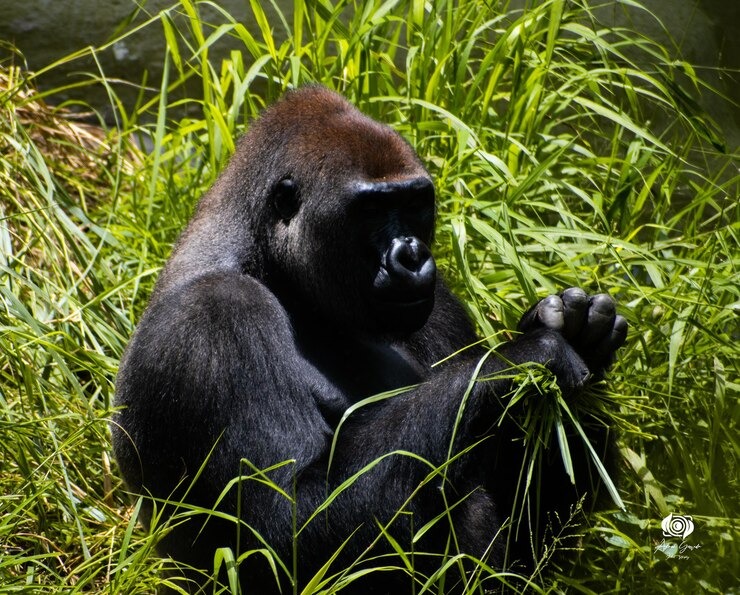
Mountain gorillas are generally peaceful, but understanding their behavior prevents dangerous situations. Silverbacks may chest-beat or charge if they feel threatened – this is usually bluffing behavior, but you need to know how to respond correctly.
Essential safety protocols include maintaining a 7-meter distance from gorillas, avoiding direct eye contact which they interpret as aggression, and moving slowly without sudden gestures. If a gorilla approaches you, crouch down submissively and avoid looking directly at them. Never point at gorillas or use flash photography, as both actions can provoke defensive responses.
Gorillas communicate through various vocalizations and body language. Soft grunting indicates contentment, while loud hooting or screaming signals distress or alarm. Juveniles are naturally curious and may approach closer than adults, but resist the temptation to interact – mothers are extremely protective.
Coughing or sneezing near gorillas poses serious health risks, as they’re susceptible to human respiratory diseases. If you feel unwell, inform guides immediately. Many visitors don’t realize that even a common cold can be fatal to these endangered primates.
Set realistic expectations for wildlife sightings and weather conditions
Gorilla trekking what to expect includes unpredictable weather that changes rapidly in mountain environments. Morning sunshine can quickly turn into afternoon downpours, with temperatures dropping 10-15 degrees in minutes. Rain makes trails treacherous and visibility poor, but gorillas don’t stop their daily activities for weather.
Success rates for gorilla encounters exceed 95% across all parks, but the quality of sightings varies tremendously. Some groups spend their hour watching gorillas sleep, while others witness dramatic interactions, feeding behaviors, or playful juveniles. Gorilla families move constantly throughout their territory, so yesterday’s easy trek might become today’s marathon hike.
Uganda gorilla trekking in Bwindi presents different challenges than Rwanda gorilla permits locations. Bwindi’s terrain is more rugged with thicker vegetation, while Rwanda’s Volcanoes National Park offers more open bamboo forests but higher altitudes. Weather patterns also differ – Rwanda’s dry seasons are more predictable, while Uganda experiences more consistent rainfall throughout the year.
Wildlife photography requires patience and luck. Gorillas often rest in dense vegetation with poor lighting, making clear shots difficult. Professional photographers recommend bringing multiple camera bodies and lenses, as you won’t have time to change equipment during the encounter.
Prepare mentally for early morning starts and long hiking days
Gorilla safari preparation means accepting that comfort takes a backseat to adventure. Wake-up calls come as early as 5:30 AM, followed by quick breakfasts and hour-long drives to park headquarters over rough roads. Your body needs time to adjust to these early schedules, especially if you’re dealing with jet lag from international travel.
Mental preparation involves accepting uncertainty and physical discomfort as part of the authentic experience. You might spend 8 hours hiking through thick jungle, getting soaked by rain, covered in mud, and exhausted – only to spend one magical hour with gorillas that makes every hardship worthwhile.
Long hiking days test your mental resilience more than physical strength. When you’re tired, hungry, and the gorillas seem impossibly far away, maintaining positive attitude becomes crucial. Guides are experts at motivation, but personal mental preparation makes the difference between suffering through the trek and embracing the adventure.
Altitude sickness, even at moderate elevations, affects decision-making and mood. Symptoms like headaches, nausea, and irritability can make challenging hikes feel overwhelming. Recognizing these signs helps you push through temporary discomfort rather than panicking about your ability to continue.
Budget for additional costs like porter tips and local guide fees
Porter services cost $15-25 per day but prove invaluable on difficult terrain. These local community members carry your daypack, offer stability assistance on steep sections, and provide cultural insights during the trek. Tipping porters $5-10 demonstrates appreciation for their hard work supporting conservation efforts.
Local guide fees vary by location but typically range $20-50 per day. These aren’t park rangers but community guides who supplement official rangers with local knowledge and language skills. Their expertise often determines whether you have a good experience or an extraordinary one.
Photography permits add $300-500 to your costs if you want professional shots during the gorilla encounter. Regular cameras are allowed, but professional equipment requires special permits and fees that support conservation programs.
Additional expenses include bottled water ($2-5 per liter at higher elevations), snacks for energy during long treks ($10-20), and emergency transportation if someone can’t complete the hike ($50-100). Budget an extra $100-200 beyond permit costs for these inevitable additional expenses that enhance your trekking experience.

Getting ready for gorilla trekking means putting in the work ahead of time, but trust me, it’s worth every step. You’ll need to build up your endurance for those mountain trails, secure your permits well in advance, and pack the right gear to stay comfortable and safe. The physical preparation might seem daunting, but even regular walks and basic fitness routines can make a huge difference when you’re navigating steep terrain and thick vegetation.
Your gorilla trekking adventure will be one of those life-changing experiences you’ll never forget. Take the time to prepare properly – your body will thank you on the trail, and you’ll be able to focus entirely on that magical moment when you finally come face-to-face with these incredible creatures. Start planning now, book those permits early, and get your fitness routine going. The mountain gorillas are waiting for you.