











Destinations & Experiences
From Kigali to Volcanoes National Park: Rwanda’s Journey of Transformation
From Kigali to Volcanoes National Park: Rwanda’s Journey of Transformation
Rwanda’s story reads like something straight out of a hopeful movie script. This small East African nation has pulled off one of the most remarkable comebacks in modern history, transforming from devastation into a shining example of what’s possible when vision meets determination.
This comprehensive guide is for travelers, development professionals, and anyone curious about African development success stories who want to understand how Rwanda achieved its incredible transformation. We’ll take you on a journey from the bustling, clean streets of Kigali to the misty mountains of Volcanoes National Park Rwanda, showing you exactly how this country reinvented itself.
You’ll discover how Kigali urban development became a model for cities across Africa, with its spotless streets, innovative architecture, and tech-friendly infrastructure leading the charge in Rwanda’s post-genocide recovery. We’ll explore the conservation success story unfolding at Volcanoes National Park, where mountain gorillas now thrive thanks to community-based tourism that’s boosting Rwanda economic growth while protecting endangered species. Finally, we’ll break down the strategic policies and bold decisions that fueled Rwanda’s sustainable development, offering valuable lessons for other nations looking to write their own transformation stories.
The journey from Kigali to Volcanoes National Park isn’t just a scenic drive – it’s a window into how Rwanda tourism development and smart governance can completely reshape a country’s future.
Rwanda’s Dark Past and the Path to Healing

Understanding the 1994 genocide’s devastating impact on the nation
The 1994 genocide against the Tutsi in Rwanda shattered a nation in just 100 days. Over one million people lost their lives while the world watched from the sidelines. Entire families were wiped out, communities destroyed, and the social fabric of society completely torn apart. The scale of brutality left deep scars that went far beyond the immediate loss of life.
Infrastructure collapsed completely during those horrific months. Schools, hospitals, and government buildings were destroyed or abandoned. The economy ground to a halt as businesses closed and agricultural production ceased. Most devastating was the breakdown of trust between neighbors, friends, and even family members who found themselves on opposite sides of the violence.
Women faced particularly brutal treatment, with hundreds of thousands subjected to sexual violence. Children were orphaned by the thousands, many becoming heads of households at impossibly young ages. The educated class and professionals were specifically targeted, creating a massive brain drain that would haunt Rwanda’s recovery efforts for years to come.
When the killing finally stopped, Rwanda faced a humanitarian crisis of unprecedented proportions. Refugee camps swelled with survivors while bodies filled rivers and streets. The justice system had completely collapsed, leaving no mechanism to address the crimes or begin any form of accountability. The country’s very survival as a functioning state hung in the balance.
How strong leadership emerged from tragedy to rebuild society
Paul Kagame and the Rwandan Patriotic Front took control of a broken nation in July 1994. Rather than seek revenge, they made the remarkable decision to focus on unity and rebuilding. This choice would define Rwanda’s post-genocide recovery and set the stage for its remarkable transformation.
The new leadership established clear priorities from day one. First came security and stability, ensuring that violence would never again consume the nation. They created a disciplined military and police force committed to protecting all Rwandans regardless of ethnicity. This foundation of safety became the bedrock for everything that followed.
Kagame’s government took an unconventional approach to governance that prioritized results over political rhetoric. They introduced performance contracts for government officials, holding them accountable for measurable outcomes in their districts. Corruption was dealt with swiftly and severely, creating a culture of integrity that attracted international investment and aid.
The leadership also made education a national priority, recognizing that human capital would drive Rwanda’s future prosperity. They invested heavily in schools, universities, and technical training programs. English was introduced as an official language alongside French and Kinyarwanda, opening doors to global markets and partnerships.
Perhaps most importantly, the government refused to govern along ethnic lines. They banned ethnic identification in official documents and public discourse, instead promoting a single Rwandan identity. This wasn’t just symbolic – it was backed by concrete policies that distributed resources and opportunities fairly across all communities.
The role of unity and reconciliation in transforming national identity
Rwanda’s unity and reconciliation process became the cornerstone of its post-genocide recovery. Rather than allowing wounds to fester, the nation chose the difficult path of confronting its past while building bridges to the future. This process required tremendous courage from both survivors and perpetrators.
The Gacaca court system played a central role in this healing process. These traditional community courts brought justice to the grassroots level, allowing survivors to face those who had wronged them while giving perpetrators a chance to confess and seek forgiveness. Over two million cases were processed through this system, creating a national dialogue about truth and reconciliation that touched every family.
Annual commemoration periods, particularly Kwibuka (Remember), ensure that the genocide is never forgotten while promoting healing and unity. During these times, Rwandans come together to honor victims and recommit to the principle of “Never Again.” These ceremonies strengthen the collective resolve to prevent future violence while celebrating how far the nation has traveled.
Community service programs like Umuganda bring Rwandans together every last Saturday of the month for collective work projects. Citizens from all walks of life participate in cleaning streets, building schools, or working on community infrastructure. These gatherings foster social cohesion while reinforcing the message that all Rwandans share responsibility for their nation’s progress.
The transformation of national identity from ethnic divisions to unified Rwandan citizenship became a powerful driver of the country’s broader development success. This social foundation enabled Rwanda’s economic growth and conservation achievements, proving that healing and reconciliation aren’t just moral imperatives – they’re practical necessities for sustainable progress.
Kigali’s Remarkable Urban Renaissance

Transforming from ruins to Africa’s cleanest and safest capital city
Kigali’s transformation from a war-torn city to Africa’s cleanest capital represents one of the most remarkable urban comebacks in modern history. After the 1994 genocide left the city devastated, Rwanda’s leadership made a bold commitment to rebuild Kigali as a model for African urban development. The city now boasts pristine streets, well-maintained public spaces, and an impressive safety record that rivals many Western capitals.
The monthly community service initiative called Umuganda plays a central role in maintaining Kigali’s cleanliness. Every last Saturday of the month, citizens participate in collective cleaning activities, fostering both civic pride and environmental responsibility. This grassroots approach has created a culture where littering is virtually non-existent, and public spaces remain immaculate.
Safety statistics tell an equally compelling story. Kigali consistently ranks among the safest cities in Africa, with violent crime rates lower than many European capitals. Women can walk alone at night without fear, and visitors regularly express amazement at the city’s security levels. This safety foundation has become a crucial factor in attracting international businesses and tourists making the journey from Kigali to Volcanoes National Park.
Building modern infrastructure that attracts international investment
Kigali’s infrastructure development strategy focuses on creating world-class facilities that rival those found in developed nations. The Kigali Convention Centre, completed in 2016, serves as a stunning example of this vision. This architectural marvel hosts major international conferences and events, positioning Rwanda as a premier destination for global business gatherings.
The city’s digital infrastructure backbone supports its growing reputation as a regional hub. High-speed internet coverage reaches nearly every corner of Kigali, with 4G networks providing reliable connectivity for businesses and residents alike. The government’s investment in fiber optic cables has created a robust telecommunications network that supports the city’s growing tech sector.
Transportation infrastructure receives equal attention, with well-paved roads connecting all districts and a modern public bus system serving residents efficiently. The integration of motorcycle taxis, known locally as moto, provides last-mile connectivity while maintaining strict safety and licensing standards. These infrastructure investments create an environment where international companies feel confident establishing regional headquarters.
| Infrastructure Element | Investment Impact | International Recognition |
| Convention Centre | $300M+ events annually | Top 10 African venues |
| Digital Networks | 95% 4G coverage | Regional ICT hub status |
| Road System | Zero traffic fatalities goal | WHO safety commendation |
Creating sustainable urban planning models for other African cities
Kigali’s urban planning approach emphasizes sustainability and replicability across Africa. The city’s master plan, developed with input from international experts and local communities, balances economic growth with environmental protection. Green building standards require new constructions to meet energy efficiency criteria, while urban green spaces are protected and expanded.
The housing sector showcases innovative approaches to affordable urban living. The government’s social housing program creates mixed-income neighborhoods that prevent the formation of slums common in many African cities. These developments include essential services like healthcare facilities, schools, and markets within walking distance, reducing transportation needs and building community cohesion.
Water management systems demonstrate cutting-edge sustainability practices. Rainwater harvesting requirements for new buildings, combined with wetland preservation in urban areas, create a water-secure city even during dry seasons. These practices offer replicable solutions for other African cities facing similar challenges.
Urban agriculture initiatives integrate food production into city planning. Rooftop gardens and vertical farming projects reduce food import dependency while providing employment opportunities for urban residents. These programs create models that other African cities can adapt to their local contexts.
Fostering a thriving tech hub known as the “Singapore of Africa”
Kigali’s emergence as the “Singapore of Africa” reflects its successful transformation into a regional technology and financial hub. The city hosts numerous tech startups, international companies, and innovation centers that drive Rwanda’s economic growth beyond traditional sectors. This digital economy boom attracts young professionals from across Africa and beyond.
The Kigali Innovation City project represents the government’s commitment to becoming a knowledge-based economy. This smart city development will house technology companies, research institutions, and educational facilities in a purpose-built environment. Major companies like Volkswagen have already established assembly plants, while financial services firms use Kigali as their East African headquarters.
Rwanda’s business-friendly policies support this tech hub development. The country consistently ranks among the top performers in the World Bank’s Ease of Doing Business rankings, with streamlined processes for company registration and minimal bureaucratic hurdles. These policies create an environment where entrepreneurs can focus on innovation rather than administrative challenges.
The city’s growing startup ecosystem connects local talent with international markets. Incubators and accelerator programs provide mentorship and funding opportunities for young entrepreneurs, while coding bootcamps and technical universities produce skilled graduates ready for the digital economy. This talent pipeline ensures sustainable growth in the technology sector while creating high-value employment opportunities for Rwanda’s youth population.
Conservation Success Story at Volcanoes National Park

Rescuing mountain gorillas from near extinction to thriving populations
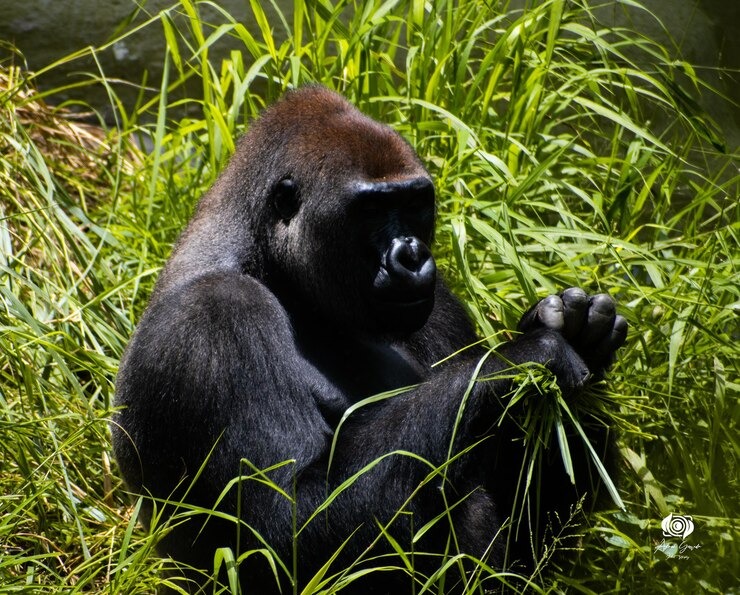
Mountain gorillas once teetered on the edge of disappearing forever. In the 1980s, fewer than 250 of these magnificent creatures survived in the wild, scattered across the volcanic mountains of central Africa. Volcanoes National Park became ground zero for one of conservation’s most remarkable comeback stories.
The transformation didn’t happen overnight. Dedicated rangers risked their lives daily, patrolling dense forests to protect gorilla families from poachers and habitat destruction. Anti-poaching units worked around the clock, removing snares and confronting illegal hunters who saw gorillas as valuable commodities. Veterinary teams provided medical care to injured gorillas, nursing sick infants back to health and treating adults wounded by traps.
Today, Rwanda’s mountain gorilla population has more than doubled. The latest census counts over 600 mountain gorillas across their range, with Rwanda home to roughly one-third of the global population. Each gorilla family has been studied, named, and protected through intensive monitoring programs. Baby gorillas born in recent years represent hope incarnate – living proof that dedicated conservation efforts can reverse even the most dire circumstances.
Developing world-class eco-tourism that generates significant revenue
Rwanda conservation success transformed Volcanoes National Park into a premium eco-tourism destination that attracts visitors from around the globe. The country adopted a high-value, low-impact tourism model that prioritizes quality experiences over mass tourism.
Gorilla trekking permits cost $1,500 per person – among the highest wildlife viewing fees worldwide. This premium pricing strategy serves multiple purposes: it limits daily visitor numbers to protect gorilla welfare, generates substantial revenue for conservation efforts, and creates an exclusive experience that appeals to discerning travelers.
The economic impact extends far beyond permit fees. Luxury eco-lodges have sprouted around the park, employing hundreds of local residents and sourcing supplies from nearby communities. Tour guides, porters, trackers, and hospitality staff have built careers around gorilla tourism. Hotels in nearby Musanze town stay busy year-round, while restaurants serve international visitors eager to experience Rwandan culture alongside their wildlife encounters.
Annual tourism revenue from Volcanoes National Park now exceeds $20 million, making it one of Rwanda’s top foreign exchange earners. This financial success demonstrates that protecting endangered species can be economically viable – a powerful argument for conservation in developing countries where immediate economic needs often compete with environmental protection.
Training local communities as conservation guardians and beneficiaries
Local communities living around Volcanoes National Park have become the backbone of Rwanda’s conservation success story. Rather than viewing residents as potential threats to wildlife, park management embraced them as essential partners in protection efforts.
Community-based conservation programs train former poachers as expert trackers and guides. Many of the park’s most skilled gorilla trackers once hunted these same forests illegally. Their intimate knowledge of animal behavior and terrain makes them invaluable conservation assets. These career transformations represent personal redemption stories while strengthening anti-poaching capabilities.
Revenue-sharing programs ensure that tourism benefits reach local households directly. A portion of gorilla permit fees funds community development projects including schools, health clinics, and clean water systems. Beekeeping cooperatives, handicraft groups, and cultural dance troupes provide alternative income streams for families who previously depended on forest resources.
The park also employs hundreds of local residents as rangers, researchers, guides, and support staff. Young people who might have migrated to cities for work now find meaningful employment protecting their natural heritage. Women’s cooperatives near the park boundaries weave baskets and create traditional crafts that tourists eagerly purchase as authentic souvenirs.
This community-centered approach creates powerful incentives for conservation. When local families benefit directly from gorilla tourism, they become fierce protectors of the animals and their habitat. Children who once viewed the forest as a barrier to development now see it as their future livelihood.
Economic Growth Through Strategic Vision

Diversifying from agriculture to technology and services sectors
Rwanda’s economic transformation reads like a masterclass in strategic planning. The country has methodically shifted away from its heavy reliance on agriculture, which once dominated the economy, toward high-value sectors that promise sustainable growth. The government launched ambitious initiatives like the ICT sector development program, transforming Rwanda into a regional technology hub. Today, Kigali hosts major tech conferences and houses numerous startups developing solutions for everything from mobile banking to agricultural technology.
The services sector has experienced remarkable expansion, with financial services, telecommunications, and professional services leading the charge. Rwanda’s banking sector has modernized rapidly, with digital payment systems reaching even rural communities. The country’s emphasis on English-language education and professional development has created a skilled workforce capable of competing in global markets.
Attracting foreign direct investment through business-friendly policies
Rwanda has crafted one of Africa’s most investor-friendly environments through deliberate policy reforms. The country consistently ranks among the top African nations in the World Bank’s Ease of Doing Business index, thanks to streamlined registration processes and reduced bureaucratic hurdles. Foreign investors can now establish businesses in Rwanda within days rather than months.
The Rwanda Development Board serves as a one-stop shop for investors, providing comprehensive support from initial inquiry through project implementation. Tax incentives, particularly in priority sectors like manufacturing and ICT, have drawn significant international investment. Companies like Volkswagen and Zipline have established major operations in Rwanda, attracted by the stable political environment and supportive regulatory framework.
Building regional trade partnerships that boost export opportunities
Strategic positioning within East Africa has enabled Rwanda to maximize trade opportunities despite being landlocked. The country actively participates in the East African Community and has leveraged regional trade agreements to expand market access for Rwandan goods and services. Coffee exports, traditionally Rwanda’s primary export, now reach global markets through improved regional logistics networks.
Rwanda’s membership in the African Continental Free Trade Area opens vast opportunities for cross-border commerce. The country has invested heavily in transportation infrastructure, including the modernization of Kigali International Airport and improved road networks connecting to neighboring countries. These investments have reduced trade costs and positioned Rwanda as a regional logistics hub.
Creating jobs and reducing poverty through targeted development programs
Rwanda’s approach to poverty reduction centers on creating meaningful employment opportunities across multiple sectors. The government’s Vision 2050 program targets specific job creation goals while ensuring these positions provide living wages. Youth employment programs have been particularly successful, combining vocational training with entrepreneurship support.
Rural development initiatives have transformed agricultural productivity while creating non-farm employment opportunities in processing and value addition. Cooperatives play a crucial role in this transformation, helping small-scale farmers access markets and credit while reducing individual risk. The results speak volumes: poverty rates have declined dramatically, and income inequality has narrowed significantly over the past two decades.
Establishing Rwanda as a conference and tourism destination in East Africa
Rwanda has positioned itself as East Africa’s premier destination for international conferences and business events. The Kigali Convention Centre hosts major regional and international gatherings, while world-class hotels and conference facilities support the growing meetings industry. This strategic focus has created thousands of jobs in hospitality, transportation, and related services.
Tourism development extends beyond business travel to include the country’s unique natural attractions. Volcanoes National Park Rwanda has become a crown jewel of conservation tourism, attracting visitors from around the world to experience mountain gorillas in their natural habitat. This Rwanda conservation success story demonstrates how environmental protection and economic development can work hand in hand.
The government has developed comprehensive tourism marketing strategies that showcase Rwanda’s safety, cleanliness, and natural beauty. Investment in tourism infrastructure, from boutique lodges to adventure tourism facilities, has created a diversified tourism product that appeals to various market segments. The sector now contributes significantly to foreign exchange earnings and provides employment opportunities in both urban and rural areas.
Lessons for Global Development and Transformation

How Effective Governance Can Accelerate National Progress
Rwanda’s transformation demonstrates that good governance isn’t just about making policies—it’s about executing them with unwavering commitment and accountability. President Paul Kagame’s administration has shown the world what happens when leaders prioritize long-term vision over short-term political gains.
The country’s success stems from several key governance principles that other nations can adopt. First, Rwanda eliminated corruption at every level, creating a culture where public servants understand their role as stewards of national resources. This zero-tolerance approach freed up resources that could be redirected toward development projects rather than disappearing into private pockets.
Second, Rwanda invested heavily in technology and digital infrastructure, recognizing early that the 21st century would belong to nations that embraced innovation. The country now ranks among Africa’s leaders in digital connectivity and e-governance, making it easier for citizens to access services and for businesses to operate efficiently.
Third, the government prioritized merit-based appointments and professional civil service. This approach ensured that qualified individuals, rather than political cronies, occupied key positions. The result? Policies get implemented effectively, and public trust in institutions remains high.
Rwanda’s monthly community service program, Umuganda, exemplifies how effective governance can mobilize entire populations. Every last Saturday of the month, citizens come together for community work, creating a sense of shared responsibility that extends far beyond government programs.
Balancing Economic Growth with Environmental Conservation Priorities
Rwanda’s journey from Kigali to Volcanoes National Park reveals a masterclass in sustainable development. The country has proven that environmental protection and economic growth aren’t opposing forces—they’re complementary strategies that strengthen each other when managed correctly.
The mountain gorilla conservation program at Volcanoes National Park generates millions in tourism revenue while protecting one of the world’s most endangered species. This success story shows how Rwanda transformed what could have been seen as an economic liability—setting aside prime agricultural land for conservation—into a powerful revenue generator that employs thousands of people.
| Conservation Strategy | Economic Impact | Environmental Benefit |
| Gorilla Tourism | $400+ million annually | Protected habitat for 1,000+ gorillas |
| Reforestation Programs | Green jobs creation | 30% forest cover increase |
| Plastic Ban (2008) | Cleaner cities attract investors | Reduced pollution, improved health |
Rwanda’s approach to environmental conservation goes beyond tourism. The country banned plastic bags in 2008, long before it became trendy elsewhere. This decision improved urban cleanliness in Kigali, making the city more attractive to international investors and tourists alike.
The reforestation initiatives have created jobs while restoring degraded landscapes. Communities that once struggled with soil erosion and declining agricultural productivity now benefit from improved water retention, better harvests, and opportunities in eco-tourism.
Rwanda’s leadership recognized that a clean, green environment is a competitive advantage in attracting investment and tourism. This mindset shift—viewing environmental protection as an economic opportunity rather than a burden—has become central to the country’s development strategy.
The Power of National Unity in Overcoming Historical Divisions
Rwanda’s post-genocide recovery illustrates how deliberate efforts to build national unity can heal even the deepest wounds. The country’s approach to reconciliation offers valuable lessons for other nations struggling with ethnic, religious, or political divisions.
The government made a conscious decision to eliminate ethnic identities from official discourse and documentation. Rwandans are simply Rwandans—not Hutu, Tutsi, or Twa. This policy might seem superficial, but it has fundamentally changed how people see themselves and each other. Children growing up today often don’t know their ethnic background, creating a generation free from the prejudices that once divided the nation.
Community-based reconciliation programs, including the traditional Gacaca courts, allowed communities to confront their past while focusing on rebuilding together. These local justice mechanisms handled over one million cases, providing a forum for truth-telling, accountability, and forgiveness that formal courts couldn’t have managed.
Rwanda’s education system reinforces unity through shared history lessons that emphasize common identity and collective responsibility. Students learn about the genocide not as a conflict between ethnic groups, but as a cautionary tale about the dangers of divisive politics and hate speech.
The annual Kwibuka genocide commemoration period serves a dual purpose: honoring victims while reinforcing the “Never Again” commitment. These ceremonies bring communities together in reflection and renewal, strengthening bonds between survivors and the broader population.
Rwanda’s economic policies also promote unity by ensuring development reaches all regions and communities. The government’s commitment to equitable resource distribution has prevented the regional inequalities that often fuel conflict in other countries. When everyone benefits from national progress, maintaining unity becomes much easier.

Rwanda’s story shows how a nation can rise from unimaginable tragedy and build something extraordinary. The country has turned Kigali into a modern, clean capital that rivals cities anywhere in the world, while Volcanoes National Park has become a shining example of how conservation can work hand-in-hand with community development. The mountain gorillas are thriving, local people have new opportunities, and visitors from around the globe come to witness this success firsthand.
What makes Rwanda special isn’t just what they’ve accomplished, but how they did it with clear vision and unwavering commitment to their goals. Other countries struggling with development challenges can learn from Rwanda’s approach of combining economic growth with environmental protection and social healing. If you’re planning your next adventure or looking for inspiration about what’s possible when people work together toward a common dream, Rwanda deserves a spot at the top of your list.