







Traveler-Focused Inspiration & Personalization
Family Safaris in Africa: How to Plan a Safe and Unforgettable Trip with Kids
Family Safaris in Africa: How to Plan a Safe and Unforgettable Trip with Kids
Planning a family safari Africa adventure with your kids might seem overwhelming, but thousands of families create magical memories on the savanna every year. This comprehensive family safari planning guide is designed for parents who want to experience the wonder of an African safari with kids while keeping everyone safe, comfortable, and thoroughly entertained.
Taking children on safari requires different considerations than adult-only trips. You need kid-friendly safari destinations that offer reliable wildlife viewing, safe safari with children protocols, and engaging activities that hold young attention spans. The good news? Africa offers incredible family-friendly options that cater specifically to traveling families.
This guide covers the essential steps for planning your African family vacation. We’ll explore how to choose destinations and safari accommodations for families that prioritize safety without sacrificing adventure. You’ll also discover safari safety for kids protocols and children safari activities that transform a simple game drive into an educational expedition your little ones will never forget.
Choose Kid-Friendly Safari Destinations That Guarantee Success

Top African countries with excellent family infrastructure
South Africa stands out as the premier choice for family safari Africa adventures, offering world-class medical facilities, excellent road networks, and malaria-free game reserves like Madikwe and Pilanesberg. The country’s developed infrastructure makes traveling with children remarkably stress-free, while destinations like Kruger National Park provide self-drive options perfect for families wanting flexibility.
Kenya ranks second for African safari with kids, featuring comfortable lodges, reliable communication networks, and relatively short travel distances between attractions. The Maasai Mara’s abundance of wildlife guarantees exciting animal encounters that keep young explorers engaged throughout their journey.
Tanzania offers exceptional family-friendly infrastructure in northern circuit parks, with well-maintained airstrips and luxury tented camps designed specifically for families. The country’s commitment to conservation education creates meaningful learning experiences for children of all ages.
Botswana provides premium family safari experiences in the Okavango Delta, though it requires a higher budget. The country’s focus on low-impact tourism ensures pristine wilderness experiences while maintaining safety standards that give parents peace of mind.
Namibia rounds out the top destinations with its unique desert landscapes and excellent road infrastructure. Self-drive safaris work particularly well here, allowing families to explore at their own pace while enjoying some of Africa’s most dramatic scenery.
Best parks for wildlife viewing with children
The Maasai Mara National Reserve in Kenya delivers unparalleled wildlife viewing opportunities, especially during the Great Migration season. Children become mesmerized watching wildebeest crossings while zebras and gazelles create a natural spectacle that rivals any nature documentary.
South Africa’s Kruger National Park offers the perfect introduction to kid-friendly safari destinations, featuring excellent road conditions, rest camps with swimming pools, and abundant wildlife visible from vehicles. The park’s southern regions provide reliable big cat sightings that create lifelong memories for young safari-goers.
Serengeti National Park in Tanzania presents vast plains teeming with wildlife, making animal spotting easy and exciting for children. The park’s diverse ecosystems ensure varied wildlife encounters, from elephants at watering holes to cheetahs hunting on open grasslands.
Chobe National Park in Botswana specializes in elephant encounters, with herds numbering in the thousands. River safaris add variety to traditional game drives, allowing families to observe hippos, crocodiles, and countless bird species from the safety of boats.
Etosha National Park in Namibia features unique white pan landscapes and exceptional wildlife photography opportunities. The park’s waterholes create natural amphitheaters where families can observe animals in their daily routines without long searches.
Age-appropriate safari experiences by destination
Toddlers (2-5 years) thrive in South Africa’s malaria-free reserves like Addo Elephant Park, where shorter game drives and swimming pool breaks keep little ones comfortable. Private reserves offer flexibility with timing and activities, accommodating nap schedules and meal preferences essential for this age group.
Elementary age children (6-10 years) benefit from Kenya’s educational safari programs in the Maasai Mara, where cultural interactions with local communities add educational value beyond wildlife viewing. Tanzania’s Ngorongoro Crater provides a natural classroom where children learn about ecosystem dynamics while observing diverse species in close proximity.
Tweens and teens (11+ years) appreciate Botswana’s adventure-focused experiences, including mokoro rides through the Okavango Delta and walking safaris with armed guides. These older children can handle longer game drives and camping experiences that create independence and confidence in natural settings.
Namibia works exceptionally well for families with children of mixed ages, offering everything from easy desert walks suitable for younger kids to challenging dune climbing adventures that thrill teenagers. The country’s photographic opportunities help older children develop new interests and skills.
Seasonal considerations for family travel
The dry season (May through October) provides optimal conditions for African family vacation planning, with cooler temperatures, minimal rainfall, and concentrated wildlife around water sources. Animals become easier to spot as vegetation thins out, creating better viewing opportunities for children who might struggle with patience during longer searches.
Kenya’s peak season (July through October) coincides with school holidays, making it ideal for family scheduling. However, this popularity means higher prices and crowded parks, requiring advance bookings for the best family-friendly accommodations.
South Africa’s winter months (June through August) offer comfortable temperatures and excellent game viewing, though morning and evening temperatures can be quite cold. Families should pack warm layers for early morning game drives when children might feel chilly.
Tanzania’s shoulder seasons (January through March and November) provide excellent value for families, with fewer crowds and moderate prices. The brief rains during November create lush landscapes and active wildlife, though afternoon showers might require flexible scheduling.
Namibia’s cooler months (April through September) work best for families, as summer temperatures can become uncomfortably hot for children during midday activities. The country’s stable weather patterns make trip planning more predictable for families requiring certainty in their travel arrangements.
Select Accommodations That Keep Your Family Safe and Comfortable

Family-friendly lodge features that matter most
When searching for safari accommodations for families, prioritize lodges with dedicated children’s programs and age-appropriate entertainment. Look for properties offering kids’ clubs with supervised activities like nature walks, craft sessions, and storytelling around campfires. Many top-tier family safari Africa destinations feature lodges with swimming pools, which provide perfect downtime after morning game drives and help kids cool off during hot afternoons.
The best safari accommodations for families include properties with flexible meal times and children’s menus featuring familiar foods alongside local cuisine. Buffet-style dining works particularly well for families, allowing picky eaters to find something they enjoy. Some lodges offer room service for families with very young children who need early dinners or late breakfasts.
Family-oriented lodges typically provide specialized equipment like high chairs, baby baths, and even baby monitors. Many also stock essentials like diapers, formula, and children’s toiletries, reducing your packing load. WiFi availability, while not always reliable in remote areas, helps families stay connected and can be crucial for entertainment during rest periods.
Safety protocols and medical facilities at safari camps
Reputable African safari with kids operators maintain strict safety protocols specifically designed for families. These include secure fencing around common areas, childproof locks on room doors leading to balconies or patios, and pool safety measures like life rings and designated shallow areas.
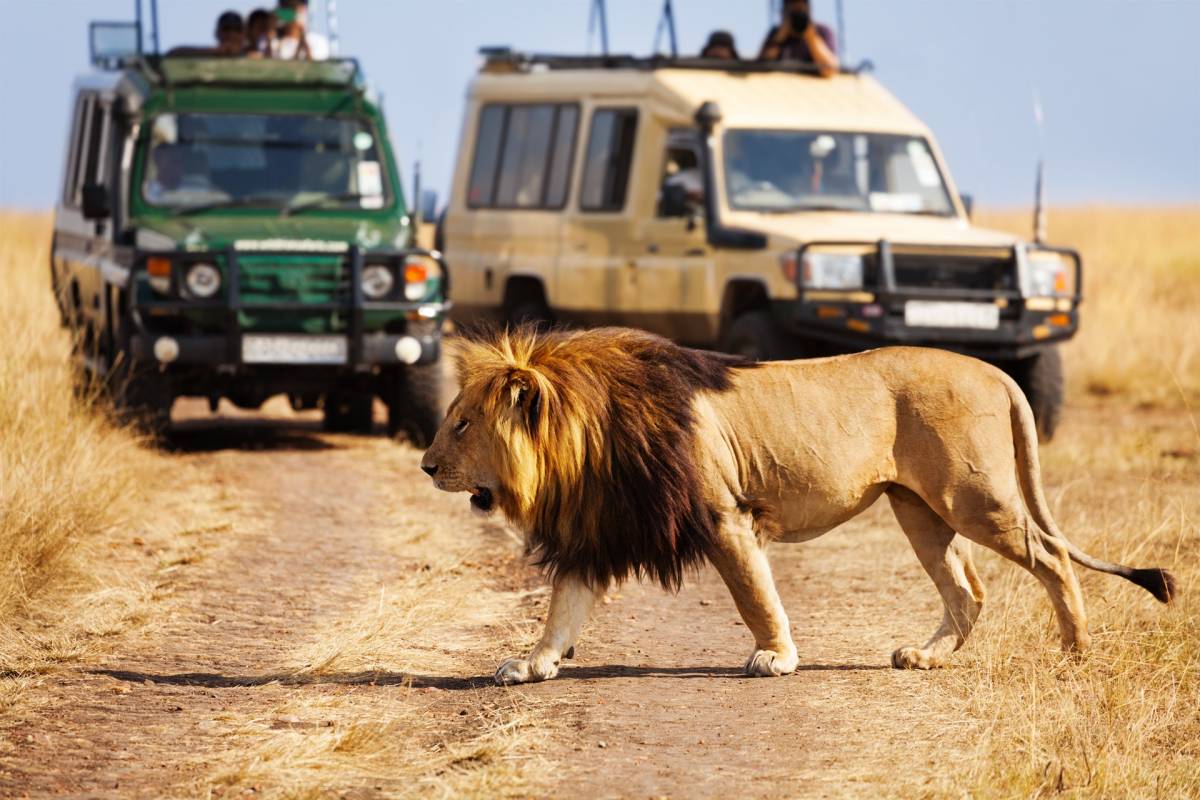
Most established safari camps employ qualified guides trained in first aid and child safety procedures. They understand how to conduct game drives safely with children, including mandatory seatbelt policies, speed restrictions, and protocols for wildlife encounters. Many guides carry two-way radios to communicate with base camp during emergencies.
Medical facilities vary significantly between destinations, so research this thoroughly. Luxury lodges often have on-site medical staff or nursing stations equipped to handle minor injuries and illnesses. Remote camps typically maintain first aid stations and evacuation procedures via helicopter or small aircraft. Always verify the nearest hospital location and emergency contact procedures before arrival.
Room configurations for families with multiple children
Safari safety for kids starts with appropriate room arrangements. Many family-friendly lodges offer interconnecting rooms, family suites, or specially designed family tents with separate sleeping areas for parents and children. These configurations provide privacy for parents while keeping children close enough for supervision.
Tented accommodations often feature multiple beds or can accommodate roll-away beds for larger families. Some properties offer triple occupancy rooms or family units with bunk beds, perfect for siblings. When booking, specify exact ages and sleeping preferences for each child to ensure proper arrangements.
| Room Type | Best For | Key Features |
| Family Suite | 2-4 children | Separate bedroom, living area, multiple bathrooms |
| Interconnecting Rooms | Families with teens | Privacy + proximity, individual climate control |
| Family Tent | 2-3 children | Authentic safari feel, usually includes private deck |
| Villa/House | Large families | Multiple bedrooms, kitchen facilities, private pool |
Consider ground-floor accommodations for families with toddlers to avoid stairs and provide easier access to outdoor areas. Many lodges offer family units with private verandas where children can safely play while parents relax and watch for wildlife.
Pack Smart Essentials for African Safari Adventures

Child-specific clothing and sun protection gear
The African sun can be relentless, making proper clothing your first line of defense for your family safari Africa adventure. Pack lightweight, long-sleeved shirts and pants in neutral colors like khaki, beige, or olive green for each child. These colors help with game viewing and keep kids cooler than dark fabrics. Cotton-blend materials work best as they breathe well and dry quickly.
Wide-brimmed hats are non-negotiable – think safari-style with chin straps so they won’t blow off during game drives. Pack at least two per child in case one gets lost. For sun protection, bring high-SPF sunscreen (50+ recommended), lip balm with SPF, and quality sunglasses designed for children with UV protection.
Don’t forget sturdy, closed-toe shoes for walking safaris and comfortable sandals for camp. Pack extra socks since little feet tend to get dusty quickly. A light jacket or fleece is essential for early morning game drives when temperatures can drop significantly.
Health and safety items for remote locations
Your family safari packing list should include a comprehensive first aid kit tailored for African safari with kids. Pack children’s pain relievers, anti-diarrheal medication, rehydration salts, antiseptic wipes, and bandages in various sizes. Include any prescription medications your children take regularly, plus extras in case of delays.
Insect repellent containing DEET (appropriate concentration for children’s ages) is crucial for malaria prevention. Pack both spray and lotion forms, as some kids prefer one over the other. Mosquito nets for sleeping areas provide additional protection, especially if your accommodations don’t have them.
Hand sanitizer becomes your best friend in remote locations where clean water isn’t always available. Pack travel-sized bottles for each family member and larger refill bottles. Include wet wipes for quick cleanups after dusty game drives.
Entertainment supplies for long travel days
Long travel days are part of any African family vacation, so smart entertainment planning keeps everyone happy. Download movies, educational documentaries about African wildlife, and games onto tablets before departure. Pack portable chargers and car adapters to keep devices powered during extended game drives.
Activity books, coloring supplies, and sticker books provide screen-free entertainment. Choose Africa-themed options to build excitement about the wildlife you’ll encounter. Small travel games like cards or magnetic board games work well in cramped spaces.
Consider bringing a travel journal for each child to document their safari safety for kids experience. Pack colored pencils and encourage them to draw the animals they see each day.
Photography equipment suitable for kids
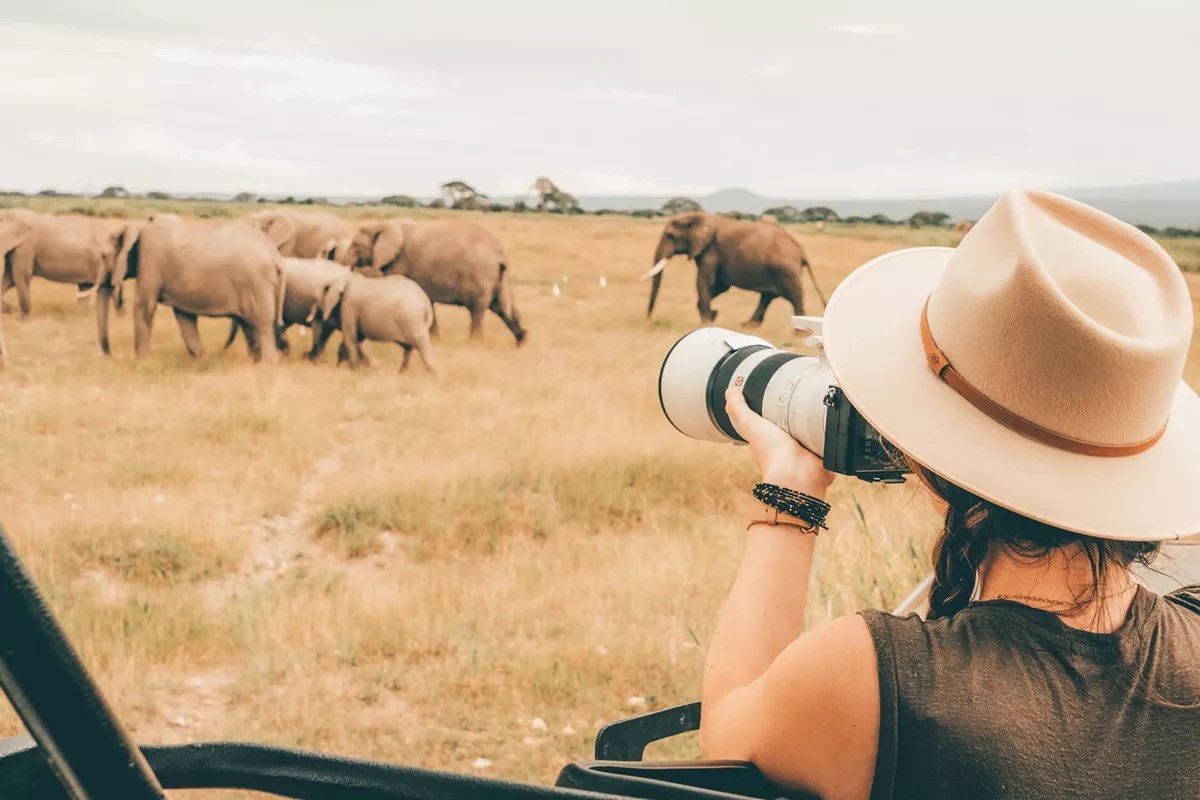
Kid-friendly cameras help children engage more deeply with their safari experience. Disposable cameras work great for younger children – they’re simple to use and you won’t worry about damage. For older kids, consider basic digital cameras designed for children with sturdy construction and simple controls.
Binoculars sized for small hands enhance game viewing and photography opportunities. Look for lightweight models with neck straps and protective cases. Teaching kids to spot animals through binoculars before photographing creates better wildlife encounters.
Pack extra memory cards, batteries, and protective cases for all equipment. A simple camera strap prevents drops during bumpy game drives, and lens cleaning cloths keep everything spotless in dusty conditions.
Master Health and Safety Preparations Before Departure

Required Vaccinations and Malaria Prevention for Children
Planning a family safari Africa adventure means getting serious about vaccinations and malaria protection. Yellow fever vaccination is mandatory for most African countries and required for children over 9 months old. Your pediatrician will also recommend hepatitis A and B, typhoid, and meningitis vaccines depending on your destination.
Malaria poses the biggest health risk for kids on safari. Children under 5 face higher complications, so prevention becomes critical. Antimalarial medications like atovaquone-proguanil work well for children over 11kg, while younger kids might need alternative options. Start these medications before departure as directed by your doctor.
Pack DEET-based insect repellent (20-30% concentration for kids), permethrin-treated clothing, and bed nets as backup protection. Many safari lodges provide treated nets, but bringing your own ensures proper coverage.
Travel Insurance Coverage for Family Safari Activities
Standard travel insurance often excludes adventure activities, making specialized coverage essential for African safari with kids. Look for policies that specifically cover game drives, walking safaris, and medical evacuation from remote locations.
Medical evacuation coverage deserves special attention since quality healthcare might be hours away from safari destinations. Policies should include helicopter or aircraft evacuation to major medical facilities, with coverage limits of at least $1 million per person.
Adventure activity coverage protects against injuries during game viewing, nature walks, or cultural visits. Read the fine print carefully – some insurers exclude activities involving wild animals or require advance notification for coverage.
Emergency Contact Information and Medical Documentation
Create comprehensive medical documentation for each family member before your safe safari with children begins. Include current medications, dosages, allergies, and existing medical conditions. Store digital copies in cloud storage and carry physical copies in multiple bags.
Compile emergency contacts including your home pediatrician, destination country’s emergency services, nearest embassies or consulates, and your travel insurance provider’s 24-hour assistance line. Program these numbers into multiple family members’ phones.
Research medical facilities near your safari destinations and note their contact information. Many remote locations have limited facilities, so identify the nearest major hospital or medical center capable of treating serious conditions.
Pre-trip Health Consultations with Pediatricians
Schedule pediatric consultations 6-8 weeks before departure for your family safari planning guide timeline. This allows enough time for vaccine series completion and addresses any health concerns specific to your children’s ages and medical histories.
Discuss altitude considerations if visiting high-elevation areas, sun protection strategies for sensitive skin, and dietary precautions for young stomachs. Your pediatrician can prescribe preventive medications for motion sickness, digestive issues, or other common travel problems.
Request prescription refills to last beyond your trip duration, plus extra supplies in case of travel delays. Pack medications in original containers with clear labels, and carry prescriptions for controlled substances to avoid customs issues.
Plan Age-Appropriate Safari Activities That Captivate Young Minds

Game Drive Timing and Duration for Different Age Groups
Younger children (ages 3-6) thrive on shorter game drives lasting 2-3 hours maximum. Early morning drives work best for this age group, starting around 6:30 AM when animals are most active and kids are fresh from a good night’s sleep. Consider splitting longer drives with breakfast stops at scenic viewpoints to keep little ones engaged.
Children aged 7-12 can handle 3-4 hour game drives but still benefit from strategic breaks. Pack snacks and plan stops every 90 minutes to let them stretch their legs. These kids love the excitement of tracking animals, so involve them in spotting wildlife and using binoculars.
Teenagers typically enjoy full-day safari experiences, including both morning and afternoon drives with a midday rest at camp. They appreciate the photography opportunities and deeper wildlife knowledge that comes with extended viewing time.
Optimal Game Drive Schedule by Age:
| Age Group | Duration | Best Times | Break Frequency |
| 3-6 years | 2-3 hours | 6:30-9:30 AM | Every hour |
| 7-12 years | 3-4 hours | 6:30-10:30 AM or 3:30-7:30 PM | Every 90 minutes |
| 13+ years | 4-6 hours | Full morning/afternoon drives | Every 2 hours |
Educational Wildlife Programs Designed for Children
Many safari lodges offer specialized children safari activities that transform wildlife viewing into interactive learning experiences. Junior ranger programs teach kids animal tracking, identifying paw prints, and understanding predator-prey relationships through hands-on activities.
Bush walks with experienced guides provide up-close encounters with smaller wildlife that children might miss during game drives. Kids learn about insects, birds, and plant life while developing observation skills. These walking safaris typically last 45-60 minutes, perfect for maintaining young attention spans.
Wildlife conservation workshops give children insight into anti-poaching efforts and habitat protection. Some lodges partner with local conservation groups to offer behind-the-scenes looks at wildlife rehabilitation centers or research stations.
Interactive animal identification games using field guides and binoculars turn spotting into friendly family competitions. Create wildlife bingo cards featuring animals commonly seen in your chosen destination to keep kids actively engaged throughout drives.
Cultural Experiences That Engage Family Participation
Visiting local communities offers African family vacation experiences that broaden children’s worldview beyond wildlife. Maasai villages in Kenya and Tanzania welcome families for traditional dancing, beadwork demonstrations, and storytelling sessions that captivate young minds.
Cooking classes featuring local ingredients and traditional methods give kids hands-on cultural immersion. Learning to make ugali, biltong, or traditional bread creates lasting memories while teaching about different food cultures.
Local school visits, where available, allow children to interact with peers from different backgrounds. These exchanges often involve sharing games, songs, or simple craft activities that transcend language barriers.
Market tours in nearby towns introduce families to local commerce and daily life. Kids enjoy bargaining for souvenirs while learning about different currencies, foods, and crafts unique to each African region.
Traditional craft workshops teaching pottery, basket weaving, or wood carving provide tactile learning experiences that engage different learning styles. These activities work particularly well during midday breaks when it’s too hot for game drives.

Planning a family safari in Africa doesn’t have to feel overwhelming when you break it down into manageable steps. By choosing destinations known for being welcoming to children, booking accommodations that prioritize safety and comfort, and packing the right gear, you’re already setting your family up for success. Don’t forget that proper health preparations and age-appropriate activities will make the difference between a stressful trip and magical memories that last a lifetime.
Your kids deserve to experience the wonder of seeing elephants up close, hearing lions roar at sunset, and learning about conservation in the most incredible classroom on Earth. Start planning your family’s African adventure today – research those kid-friendly destinations, reach out to safari operators who understand family needs, and begin creating an experience that will spark your children’s love for wildlife and travel for years to come.