






Destinations & Experiences
Exploring Uganda’s Wild Side: Murchison Falls, Queen Elizabeth & More
Exploring Uganda’s Wild Side: Murchison Falls, Queen Elizabeth & More
Uganda’s wild landscapes hold some of Africa’s most incredible wildlife experiences, from thundering waterfalls to tree-climbing lions. This Uganda safari guide is for adventure travelers and wildlife enthusiasts planning their first East Africa safari or looking to explore new Uganda national parks beyond the typical tourist trail.
Uganda wildlife offers something special that sets it apart from other African safari destinations. The country packs incredible biodiversity into a compact area, making it perfect for travelers who want maximum wildlife viewing in a single trip. You’ll find everything from the Big Five to rare mountain gorillas, all within relatively short driving distances.
We’ll dive deep into Murchison Falls National Park, where you can witness the world’s most powerful waterfall while spotting elephants, giraffes, and hippos along the Nile River. Then we’ll explore Queen Elizabeth National Park’s unique ecosystems, from crater lakes to the famous tree-climbing lions of Ishasha sector. Finally, we’ll help you plan your ultimate Ugandan safari adventure with practical wildlife photography tips and insider knowledge about hidden gems that most visitors miss.
Get ready to discover why Uganda tourism is booming and why savvy travelers are choosing Uganda safari planning over more crowded destinations. Your African safari adventure starts here.
Discover Murchison Falls National Park’s Spectacular Wildlife

Witness the World’s Most Powerful Waterfall Up Close
The thunderous roar of Murchison Falls drowns out everything else as 300 cubic meters of water per second crashes through a narrow 7-meter gap in the rocks. This geological masterpiece creates one of nature’s most dramatic spectacles, where the mighty Nile River transforms from a peaceful waterway into a churning torrent of raw power.
Getting close to the falls requires a short hike to the top viewpoint, but the reward is absolutely worth every step. The spray creates rainbows that dance across the gorge, while the ground literally vibrates beneath your feet from the water’s force. Photography enthusiasts find endless opportunities here – the contrast between the violent waters below and the serene landscape above creates stunning compositions.
For a different perspective, boat trips on the Nile bring you right to the base of the falls. The experience becomes even more intense as you feel the mist on your face and witness the sheer scale of this natural wonder. Many visitors describe it as a humbling experience that puts the power of nature into perspective.
Track the Big Five on Thrilling Game Drives
Murchison Falls National Park delivers exceptional Big Five encounters across its diverse landscapes. The park’s northern sector, known as Paraa, offers the highest concentration of wildlife, making it the perfect starting point for your Uganda safari adventure.
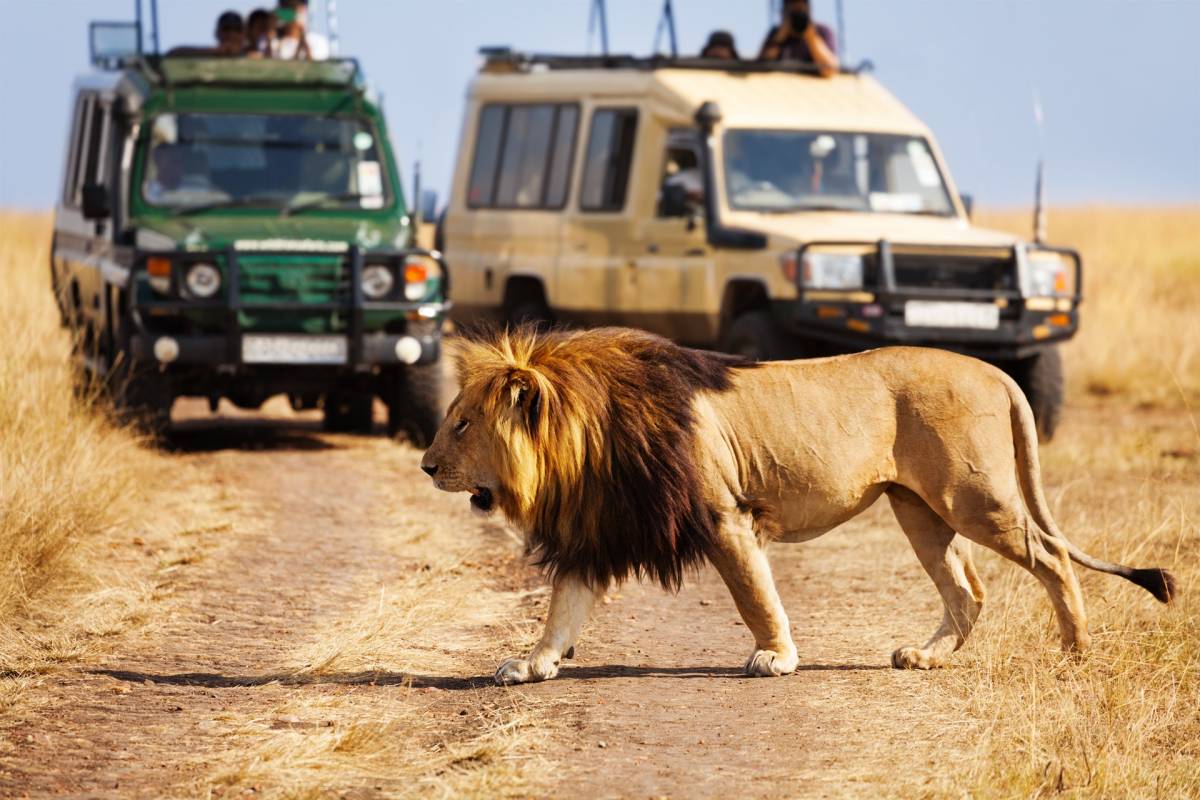
Lions roam these savannas in impressive numbers, often spotted lounging under acacia trees during the heat of the day or actively hunting during early morning drives. The park’s elephant population has recovered remarkably well, with herds frequently seen along the Victoria Nile and in the Buligi area. Buffalo gather in massive herds, sometimes numbering in the hundreds, creating spectacular wildlife photography opportunities.
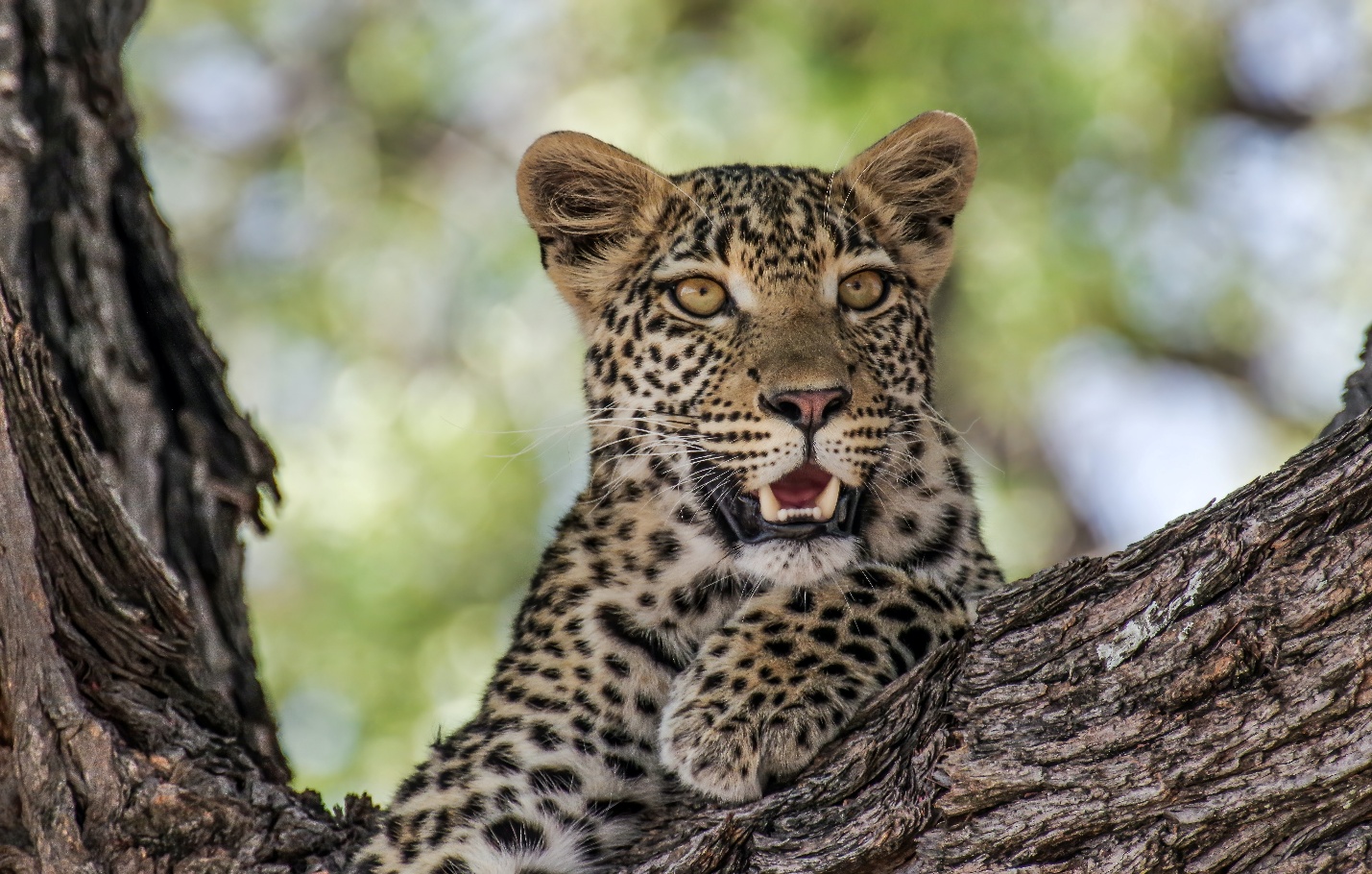
Leopards prove more elusive but reward patient visitors who venture out during dawn and dusk game drives. These skilled hunters often rest in fig trees during daylight hours. While rhinos were reintroduced to the park in recent years, spotting them requires dedication and luck.
The best game viewing happens during the dry season from December to February and June to September when animals congregate around water sources. Early morning drives starting at 6:30 AM offer the most productive wildlife encounters as predators remain active and prey animals move to drinking spots.
Experience Unforgettable Nile River Boat Safaris
The Nile River boat safari ranks among Uganda’s most rewarding wildlife experiences. These leisurely cruises upstream toward the falls reveal an entirely different ecosystem compared to land-based game drives. The riverbanks teem with life as massive Nile crocodiles bask in the sun, some reaching lengths of over 5 meters.
Hippos dominate the river channels, with pods of 20-30 individuals common throughout the park. Their territorial displays and loud grunts create an authentic African soundtrack while providing endless entertainment for visitors. The boat’s quiet approach allows for incredible close-up encounters with these massive semi-aquatic mammals.
Birdlife along the Nile proves exceptional, with over 450 species recorded in Murchison Falls National Park. Colorful bee-eaters dart across the water surface catching insects, while massive goliath herons stand motionless waiting for unwary fish. African fish eagles perch prominently on dead trees, their distinctive calls echoing across the water.
Elephants frequently come to drink at the river’s edge, especially during the dry season. Watching entire herds wade into the shallows while babies playfully splash creates magical moments that define the Uganda wildlife experience.
Spot Rare Shoebill Storks in Their Natural Habitat
The prehistoric-looking shoebill stork represents one of Africa’s most sought-after bird sightings, and Murchison Falls National Park offers some of the continent’s best opportunities to observe these remarkable creatures. Standing nearly 5 feet tall with distinctive shoe-shaped bills, shoebills embody the ancient connection between birds and dinosaurs.
These solitary hunters prefer the papyrus swamps and shallow wetlands along the Nile’s edges. The Albert Delta region, where the Nile enters Lake Albert, provides prime shoebill habitat. Patient observers often spot them standing motionless for hours, waiting to strike at lungfish and baby crocodiles with lightning speed.
Finding shoebills requires specialized knowledge and expert guides familiar with their preferred locations. The best sighting opportunities occur during boat excursions specifically designed for birding, typically lasting 3-4 hours. Early morning trips between 6-9 AM offer the highest success rates when these impressive birds actively hunt.
Photography enthusiasts should prepare for challenging conditions – shoebills often remain partially hidden in dense vegetation, requiring telephoto lenses and careful positioning. The reward of capturing images of these rare birds in their natural environment makes the effort absolutely worthwhile for serious wildlife photographers visiting Uganda’s national parks.
Explore Queen Elizabeth National Park’s Diverse Ecosystems

Navigate the Famous Kazinga Channel for Hippo and Crocodile Encounters
The Kazinga Channel stands as the crown jewel of Queen Elizabeth National Park, connecting Lake Edward and Lake George through a 32-kilometer natural waterway. This remarkable channel hosts one of the world’s highest concentrations of hippos, with over 4,000 individuals calling these waters home. Your boat safari along the channel offers front-row seats to observe these massive semi-aquatic mammals in their natural habitat, watching them yawn, snort, and playfully interact with each other.
Nile crocodiles bask lazily along the muddy banks, their prehistoric forms creating perfect photo opportunities. The channel’s nutrient-rich waters attract massive herds of elephants, buffalo, and various antelope species that come to drink, especially during the dry season. You’ll witness dramatic wildlife interactions as predators and prey share the same drinking spots.
The two-hour boat cruise provides excellent wildlife photography opportunities, with animals appearing remarkably close to your vessel. Early morning and late afternoon departures offer the best lighting conditions and increased animal activity. The experienced boat operators know exactly where to position for optimal viewing and can identify the various species you encounter along the way.
Discover Tree-Climbing Lions in Ishasha Sector
Ishasha Sector’s tree-climbing lions represent one of Africa’s most extraordinary wildlife phenomena. Only two populations of these unique lions exist worldwide – in Uganda’s Queen Elizabeth National Park and Tanzania’s Lake Manyara. The lions in Ishasha have adapted to climb and rest in large fig and acacia trees, creating spectacular viewing opportunities for Uganda safari enthusiasts.
These magnificent cats climb trees to escape ground-level insects, enjoy cooling breezes, and gain better vantage points for spotting prey across the savanna. Finding them requires patience and expert guidance, as they spend considerable time resting in the shade during daylight hours. The best viewing times occur early morning and late afternoon when temperatures cool and the lions become more active.
Game drives through Ishasha’s rolling grasslands reveal why these lions developed their climbing behavior. The sector’s landscape differs significantly from typical lion habitats, with scattered trees providing perfect perches overlooking vast plains teeming with Uganda kob, topi, and other antelope species. Your safari guide will use radio communication with other guides to track recent lion sightings and position your vehicle for optimal photography angles.
The experience of photographing a lion lounging in a tree branch creates memories that last a lifetime. These encounters showcase nature’s incredible adaptability and provide insight into unique wildlife behaviors found nowhere else in East Africa safari destinations.
Experience Bird Watching Paradise with Over 600 Species
Queen Elizabeth National Park ranks among Africa’s premier birding destinations, hosting over 600 recorded species across its diverse ecosystems. This incredible diversity stems from the park’s varied habitats – from crater lakes and wetlands to savanna grasslands and tropical forests. Bird watchers can expect to spot everything from tiny sunbirds to massive shoebill storks during their Uganda wildlife adventures.
The park’s crater lakes area provides exceptional birding opportunities, with flamingos gathering in pink masses at Lake Munyanyange when conditions are right. Waterfowl species include African fish eagles, pelicans, cormorants, and various kingfisher species. The surrounding acacia woodlands host colorful bee-eaters, hornbills, and numerous raptor species including martial eagles and secretary birds.
Maramagambo Forest offers completely different birding experiences, with forest specialists like African grey parrots, great blue turacos, and various primate species creating a symphony of sounds. The forest’s canopy walks provide elevated viewing platforms for spotting canopy-dwelling species that rarely descend to ground level.
| Habitat Type | Key Bird Species | Best Viewing Times |
| Crater Lakes | Flamingos, Fish Eagles, Pelicans | Early morning, late afternoon |
| Savanna Grasslands | Secretary Birds, Ground Hornbills | All day |
| Forest Areas | Turacos, Grey Parrots, Forest Kingfishers | Dawn, dusk |
| Wetlands | Shoebill Storks, Various Herons | Morning hours |
Professional birding guides enhance your experience by identifying species through calls and helping locate rare or elusive birds. Their expertise proves invaluable for serious birders seeking to add significant species to their life lists during their Uganda national parks exploration.
Plan Your Ultimate Ugandan Safari Adventure

Choose the Best Time to Visit for Optimal Wildlife Viewing
Uganda’s location near the equator means wildlife remains active year-round, but timing your Uganda safari can dramatically impact your experience. The dry seasons from December to February and June to September offer the best wildlife viewing Uganda opportunities. During these months, animals congregate around water sources, making them easier to spot in both Murchison Falls National Park and Queen Elizabeth National Park.
The wet seasons (March-May and October-November) bring lush landscapes perfect for wildlife photography Uganda, but animals scatter across the parks as water becomes abundant. Rain can make some roads impassable, though primate tracking often improves as vegetation provides better cover for tracking.
Bird enthusiasts should consider visiting during the wet season when migratory species arrive, swelling Uganda’s impressive bird list to over 1,000 species. The famous shoebill stork in Murchison Falls becomes more active during these months.
Select Accommodation Options from Budget to Luxury
Uganda safari planning requires matching accommodation to your budget and comfort preferences. Budget travelers can choose from camping sites and basic lodges ranging from $20-50 per night. Mid-range options like Fort Murchison Lodge or Bush Lodge in Queen Elizabeth offer comfortable rooms with en-suite bathrooms for $80-150 nightly.
Luxury seekers can indulge in world-class properties like Paraa Safari Lodge overlooking the Nile or Mweya Safari Lodge with stunning crater lake views. These premium lodges range from $300-800 per night and include gourmet meals, guided game drives, and exclusive access to prime wildlife areas.
Consider proximity to park activities when booking. Lodges inside national parks provide immediate access to game drives but cost more. Properties just outside park boundaries offer better value while maintaining easy access.
Pack Essential Gear for Your African Safari Experience
Your African safari adventure requires thoughtful packing. Neutral-colored clothing (khaki, olive, brown) helps you blend into the environment and avoid attracting insects. Pack layers since temperatures vary between early morning game drives and midday heat.
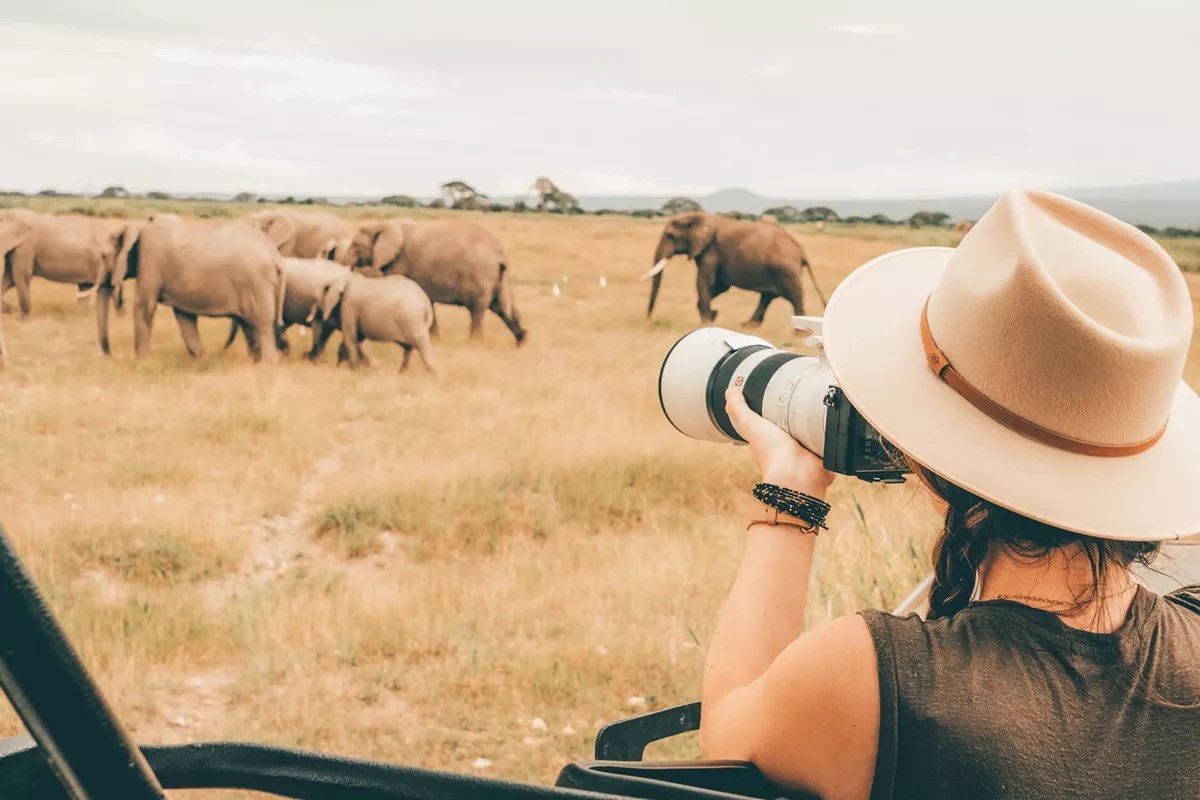
Photography gear tops most safari packing lists. Bring extra memory cards, batteries, and a good zoom lens (300mm minimum) for capturing distant wildlife. Binoculars enhance wildlife spotting significantly – 8×42 or 10×42 models work best.
Essential items include:
- Insect repellent with DEET
- Sunscreen (SPF 30+)
- Wide-brimmed hat
- Comfortable walking boots
- Headlamp with extra batteries
- First aid kit with anti-malarial medication
- Dust-proof bags for electronics
Book Reliable Transportation and Local Guides
Transportation choices significantly impact your Uganda tourism experience. Self-driving requires a 4WD vehicle and confident navigation skills on challenging roads. Many visitors prefer organized tours with experienced drivers who know animal behavior patterns and prime viewing locations.
Local guides bring invaluable expertise to your East Africa safari. They understand animal movements, weather patterns, and can spot wildlife you’d easily miss. Book guides through reputable tour companies or directly through Uganda Wildlife Authority.
Consider these transportation options:
| Option | Cost Range | Best For |
| Self-drive rental | $40-80/day | Independent travelers |
| Private guide/driver | $100-150/day | Customized experience |
| Group tour | $150-300/day | Budget-conscious travelers |
| Fly-in safari | $400-800/day | Time-limited luxury travelers |
Book transportation well in advance, especially during peak season. Confirm your guide’s qualifications and ensure vehicles have proper safety equipment and communication devices for remote areas.
Maximize Your Wildlife Photography Opportunities

Capture Stunning Waterfall Shots at Murchison Falls
The thundering waters of Murchison Falls create one of Africa’s most dramatic photography subjects. Position yourself at the top viewing point during golden hour for the most spectacular shots, when warm light illuminates the mist rising from the powerful cascade. The contrast between the churning white water and dark rock formations provides incredible texture and depth to your images.
Bring a sturdy tripod for long exposure shots that transform the rushing water into silky smooth streams. Use a polarizing filter to cut through glare and enhance the vibrant colors of the surrounding vegetation. The boat cruise to the base of the falls offers unique perspectives – capture the falls from below with wildlife like hippos and crocodiles in the foreground for compelling compositional layers.
Don’t overlook the Nile River’s calmer sections upstream, where elephants often come to drink against the backdrop of distant falls. These moments create powerful storytelling images that showcase the harmony between Uganda wildlife and their natural environment.
Master Safari Photography Techniques for Moving Animals
Uganda safari adventures demand quick reflexes and technical precision when photographing wildlife in motion. Set your camera to continuous autofocus mode and use burst shooting to capture multiple frames of fast-moving subjects like charging elephants or leaping antelopes in Queen Elizabeth National Park.
Understanding animal behavior dramatically improves your success rate. Lions typically hunt during cooler morning and evening hours, while elephants gather at water sources during midday heat. Position yourself downwind and move slowly to avoid startling your subjects.
| Camera Setting | Recommended Value | Purpose |
| Shutter Speed | 1/500s or faster | Freeze motion |
| Aperture | f/5.6 – f/8 | Sharp subject, slight background blur |
| ISO | 400-1600 | Maintain fast shutter in varying light |
| Focus Mode | AI Servo/Continuous | Track moving subjects |
Use longer focal lengths (300mm+) to maintain safe distances while filling your frame. Practice panning techniques for dynamic shots of running animals – follow the subject’s movement with a slightly slower shutter speed to create motion blur in the background while keeping your subject sharp.
Document Unique Bird Species Throughout Your Journey
Uganda boasts over 1,000 bird species, making it a paradise for avian photography enthusiasts. Early morning hours offer the best opportunities as birds are most active during feeding time. The diverse ecosystems across Murchison Falls National Park and Queen Elizabeth National Park support different species – from fish eagles along the Nile to colorful bee-eaters in savanna regions.
Pack a telephoto lens with at least 400mm reach for detailed shots without disturbing nesting birds. Fast autofocus performance becomes critical when tracking small, quick-moving subjects. Look for perching spots near water sources or flowering trees where birds naturally gather.
The elusive shoebill stork, found in Uganda’s wetlands, requires patience and stealth. These prehistoric-looking giants stand motionless for hours before striking at fish. Use this behavior to your advantage – set up at a comfortable distance and wait for action shots.
Consider the background when composing bird portraits. Clean, uncluttered backgrounds make your subjects pop, while natural elements like branches or flowers add context to your images. Shoot at eye level when possible to create more engaging connections between viewer and subject.
Document behavior beyond static portraits – capture feeding, courtship displays, and interactions between species for more compelling African wildlife photography that tells complete stories of Uganda’s incredible biodiversity.
Experience Additional Hidden Gems Beyond the Main Parks

Visit Ziwa Rhino Sanctuary for White Rhino Tracking
Located just two hours north of Kampala, Ziwa Rhino Sanctuary offers one of Uganda’s most unique wildlife experiences. This 7,000-hectare protected area serves as the country’s only home to southern white rhinos, making it an essential stop for any comprehensive Uganda safari adventure.
The sanctuary currently houses over 30 white rhinos, all part of an ambitious breeding program aimed at reintroducing these magnificent creatures to Uganda’s national parks. Guided rhino tracking experiences allow visitors to approach these gentle giants on foot, accompanied by experienced rangers who share fascinating insights about rhino behavior and conservation efforts.
Walking safaris at Ziwa provide intimate encounters with wildlife beyond rhinos. The sanctuary supports diverse species including Uganda kobs, waterbucks, bushbucks, and over 300 bird species. Early morning tracking sessions offer the best opportunities to spot rhinos during their most active periods, while afternoon visits provide excellent photography conditions.
The on-foot experience creates unforgettable moments as you observe these prehistoric-looking animals in their natural habitat. Rangers maintain safe distances while ensuring visitors can witness rhino social interactions, feeding behaviors, and the playful antics of younger rhinos.
Explore Kibale Forest for Chimpanzee Trekking Adventures
Kibale Forest National Park stands as Uganda’s premier destination for chimpanzee encounters, protecting East Africa’s largest population of our closest relatives. This biodiverse rainforest ecosystem harbors over 1,500 chimpanzees alongside 12 other primate species, earning its reputation as the “Primate Capital of the World.”
Chimpanzee tracking experiences begin at dawn with briefings from expert guides who explain tracking protocols and chimpanzee social structures. The forest’s well-maintained trail system leads visitors through dense canopy where the sounds of hooting, screaming, and branch-breaking signal nearby chimpanzee communities.
Successful encounters reveal remarkable chimpanzee behaviors – mothers nurturing infants, juveniles playing, and adults grooming each other. These intelligent creatures demonstrate tool use, complex communication, and social hierarchies that mirror human societies in striking ways.
Chimpanzee Tracking Options:
| Experience Type | Duration | Group Size | Success Rate |
| Standard Tracking | 2-6 hours | 8 people | 95% |
| Chimpanzee Habituation | Full day | 4 people | 99% |
Beyond chimpanzees, Kibale’s biodiversity amazes visitors with red colobus monkeys, L’Hoest’s monkeys, and over 370 bird species. Night walks reveal nocturnal primates like bush babies, while forest walks showcase medicinal plants and towering mahogany trees.
Discover Lake Mburo’s Zebras and Unique Landscapes
Lake Mburo National Park presents Uganda’s most accessible wildlife destination, offering distinct ecosystems rarely found elsewhere in the country. This compact park showcases rolling hills, open savannas, wetlands, and acacia woodlands surrounding five pristine lakes.
The park’s signature species – Burchell’s zebras – roam freely across golden grasslands, creating perfect photographic opportunities against backdrop of scattered acacia trees. These zebras represent Uganda’s only population, making Lake Mburo essential for wildlife enthusiasts seeking comprehensive East African safari experiences.
Notable Wildlife Species:
- Large Mammals: Zebras, impalas, elands, topis, buffaloes, hippos, crocodiles
- Carnivores: Leopards, hyenas, jackals, servals, caracals
- Birdlife: Over 350 species including African finfoot, shoebill stork, papyrus yellow warbler
Game drives reveal diverse antelope species including the park’s abundant impala population. Boat safaris on Lake Mburo provide close encounters with hippos and crocodiles while showcasing incredible birdlife along shoreline vegetation.
Walking safaris offer unique ground-level perspectives of the ecosystem. Guided nature walks lead through varied habitats where visitors can track animals on foot, observe smaller wildlife often missed during vehicle safaris, and learn about traditional uses of indigenous plants.
The park’s proximity to Kampala (240 kilometers) makes it perfect for shorter Uganda safari itineraries or as an excellent introduction to African wildlife viewing before exploring larger national parks like Queen Elizabeth or Murchison Falls.

Uganda’s national parks offer some of Africa’s most incredible wildlife experiences, from the thundering Murchison Falls to Queen Elizabeth’s diverse landscapes. These destinations give you front-row seats to lions, elephants, hippos, and countless bird species in their natural habitat. The country’s hidden gems beyond the main parks add even more magic to your safari, making Uganda a truly special place for wildlife lovers.
Getting the most out of your Ugandan adventure comes down to good planning and timing. Pack your camera gear, book your accommodations early, and prepare for some seriously amazing wildlife photography opportunities. Uganda’s wild side is waiting for you – and trust me, once you experience the raw beauty of these parks, you’ll understand why this East African gem deserves a spot on every safari enthusiast’s bucket list.