





Planning & Preparation Guides
Cape Town to Kruger: How to Plan the Perfect South African Adventure
Cape Town to Kruger: How to Plan the Perfect South African Adventure
Planning the perfect Cape Town to Kruger itinerary can transform your South African adventure trip from good to absolutely incredible. This comprehensive South Africa travel planning guide is designed for first-time visitors and seasoned travelers who want to experience both the cosmopolitan charm of the Mother City and the wild beauty of Africa’s most famous safari destination.
Getting from Cape Town’s stunning coastline to Kruger National Park’s Big Five territory requires smart planning, especially when you’re juggling multiple destinations in one trip. Many travelers struggle with timing, transportation logistics, and making the most of limited vacation days.
In this Cape Town travel guide, we’ll walk you through creating a seamless itinerary that maximizes your time in both destinations. You’ll discover the best Cape Town Kruger transportation options that fit your budget and schedule, plus insider tips for Kruger safari booking that guarantee wildlife encounters. We’ll also share money-saving strategies and timing secrets that help you experience Cape Town attractions and safari adventures without breaking the bank or feeling rushed.
Essential Pre-Trip Planning for Your South African Journey

Determine the optimal time to visit based on weather and wildlife patterns
South Africa’s seasons run opposite to the Northern Hemisphere, making timing your Cape Town to Kruger adventure crucial for the best experience. April to June offers the sweet spot for South Africa travel planning – Cape Town enjoys warm, dry days perfect for exploring the city’s attractions, while Kruger experiences cooler temperatures and excellent wildlife viewing as animals gather around water sources.
Summer (December-February) brings Cape Town’s peak season with perfect beach weather and vibrant energy, but Kruger becomes hot and humid with frequent afternoon thunderstorms. Wildlife disperses across the park as water becomes abundant, making animal spotting more challenging.
Winter (June-August) delivers ideal safari conditions in Kruger – dry weather, sparse vegetation, and animals concentrated around permanent water sources. Cape Town experiences its rainy season, but temperatures remain mild and accommodation rates drop significantly.
Spring (September-November) presents a fantastic compromise. Cape Town awakens with blooming flowers and pleasant weather, while Kruger transitions from dry season to green season, offering good wildlife viewing before the summer rains begin.
For photography enthusiasts, the dry winter months provide crystal-clear African skies and dramatic golden-hour lighting. Bird watchers should consider summer when migratory species arrive, despite the challenging safari conditions.
Calculate realistic budget requirements for accommodation, transport, and activities
Creating a comprehensive budget for your South African adventure requires understanding the significant cost variations between regions and seasons. A mid-range Cape Town to Kruger itinerary typically ranges from $2,500-4,500 per person for 10-14 days, depending on your choices.
Accommodation costs vary dramatically:
| Category | Cape Town (per night) | Kruger Area (per night) |
| Budget | $30-60 | $40-80 |
| Mid-range | $80-200 | $150-400 |
| Luxury | $300-800 | $600-2,000 |
Transportation expenses depend heavily on your chosen method. Domestic flights between Cape Town and Kruger cost $150-300, while car rentals run $25-60 daily plus fuel. Budget an additional $200-400 for airport transfers and local transport.
Activity costs add up quickly – Kruger National Park entrance fees are approximately $25 per day, while guided game drives cost $40-80 per person. Cape Town’s Table Mountain cable car costs $20, wine tours range from $60-150, and township tours run $30-50.
Dining budgets should account for Cape Town’s excellent restaurant scene ($15-40 per meal) and Kruger’s limited but expensive lodge dining ($30-60 per meal). Self-catering can reduce costs by 40-50%.
Don’t forget visa fees, travel insurance, and a 10-15% buffer for unexpected expenses and spontaneous adventures.
Secure necessary travel documents and health requirements
Most visitors need only a valid passport with at least two blank pages and six months validity remaining. US, UK, Canadian, and EU citizens receive free 90-day tourist visas upon arrival. Australian and New Zealand passport holders also enjoy visa-free entry.
Health requirements focus primarily on malaria prevention for Kruger National Park. The entire Kruger region falls within a malaria zone, requiring antimalarial medication. Consult a travel medicine specialist 6-8 weeks before departure to discuss options like doxycycline, mefloquine, or atovaquone-proguanil.
Yellow fever vaccination becomes mandatory if you’re arriving from or transiting through yellow fever endemic countries. South Africa strictly enforces this requirement, and you’ll need your yellow fever certificate at immigration.
Routine vaccinations should be current, including hepatitis A and B, typhoid, and tetanus. While not mandatory, these provide important protection against common travel-related illnesses.
Travel insurance covering medical evacuation is highly recommended, especially for Kruger safari activities. Many policies exclude coverage for malaria treatment, so read the fine print carefully.
Keep digital and physical copies of all documents stored separately. South African immigration officials can be strict about document requirements, and preparation prevents unnecessary complications.
Choose the ideal trip duration to maximize your experience
The minimum viable South African adventure spans 10-12 days, allowing 4-5 days in Cape Town, 2 travel days, and 4-5 days for Kruger safari activities. This compressed timeline hits the major highlights but feels rushed.
14-16 days provides the optimal balance for most travelers. Cape Town deserves 6-7 days to properly explore the city, nearby wine regions, and Cape Peninsula. Factor in 2-3 travel days (including potential flight delays), leaving 5-6 days for comprehensive Kruger safari booking and wildlife experiences.
Three weeks or more opens possibilities for additional destinations like the Garden Route, Johannesburg, or extending your Kruger experience to include private reserves like Sabi Sands or Timbavati.
Consider your travel style when planning duration. Photography enthusiasts need extra time for optimal lighting conditions. First-time safari visitors often underestimate how much time they’ll want to spend watching animal behavior. Wine lovers could easily spend a week in the Western Cape’s wine regions alone.
Jet lag recovery also influences optimal duration. The 6-14 hour time difference from major international destinations means budgeting 2-3 days to adjust fully before tackling demanding activities like long game drives or hiking Table Mountain.
Budget constraints often dictate trip length, but remember that longer stays can offer better per-day value through bulk booking discounts and reduced transportation costs per day of vacation.
Crafting Your Cape Town Experience

Must-visit attractions that showcase the city’s unique character
Table Mountain stands as Cape Town’s crown jewel, offering breathtaking panoramic views that stretch across the city to the Atlantic Ocean. The cable car ride to the summit provides an unforgettable experience, though adventurous travelers can tackle the hiking trails for a more immersive journey. At the waterfront, the V&A Waterfront buzzes with energy, combining shopping, dining, and entertainment alongside working harbor views.
Robben Island holds profound historical significance as the former prison where Nelson Mandela spent 18 years. The ferry trip to this UNESCO World Heritage Site includes guided tours led by former political prisoners, creating deeply moving encounters with South Africa’s complex past. Back on the mainland, the vibrant Bo-Kaap neighborhood captivates visitors with its rainbow-colored houses and rich Cape Malay culture.
District Six Museum tells the powerful story of forced removals during apartheid, while nearby Long Street pulses with nightlife, antique shops, and eclectic eateries. The beaches along the Atlantic seaboard, particularly Camps Bay and Clifton, showcase pristine white sand against the dramatic backdrop of the Twelve Apostles mountain range.
Kirstenbosch National Botanical Garden deserves special attention for its incredible indigenous plant collections set against Table Mountain’s eastern slopes. The garden’s canopy walkway offers unique perspectives of both flora and mountain vistas, making it perfect for nature lovers planning their Cape Town to Kruger itinerary.
Exploring the Cape Winelands for unforgettable tastings
The Cape Winelands region, located just an hour from Cape Town, represents one of the world’s most scenic wine-producing areas. Stellenbosch, the heart of South African wine country, combines centuries-old cellars with cutting-edge winemaking techniques. The town’s oak-lined streets house numerous tasting rooms where visitors can sample award-winning wines while learning about local viticulture.
Franschhoek, known as the “French Corner,” celebrates its Huguenot heritage through exceptional wine estates and world-class restaurants. The Franschhoek Wine Tram offers a unique way to visit multiple estates without worrying about transportation, hopping on and off at different stops throughout the valley. Each estate provides distinct experiences, from formal tastings in historic cellars to casual outdoor sessions with mountain views.
Paarl completes the wine triangle with its focus on both traditional and innovative winemaking approaches. Many estates offer comprehensive experiences beyond tastings, including cellar tours, food pairings, and even harvest participation during season. The region’s Mediterranean climate creates perfect conditions for cultivating various grape varieties, from robust reds to crisp whites.
Smart planning involves booking tastings in advance, especially during peak season. Many estates provide transportation services or can arrange designated drivers. The winelands also offer luxury accommodation options, allowing visitors to extend their stay and fully immerse themselves in the wine culture before continuing their South African adventure trip toward Kruger National Park.
Adventure activities from Table Mountain to shark cage diving
Cape Town delivers world-class adventure experiences that cater to every thrill level. Table Mountain provides multiple hiking routes ranging from gentle walks to challenging rock climbing adventures. The Platteklip Gorge offers the most direct route to the summit, while India Venster presents technical scrambling sections for experienced hikers. Rock climbing enthusiasts find endless opportunities on the mountain’s various faces and crags.
The surrounding waters offer equally exciting pursuits. Shark cage diving in nearby Gansbaai provides heart-pounding encounters with great white sharks in their natural habitat. These full-day excursions include boat trips to Shark Alley, where experienced guides ensure safe viewing of these magnificent predators. Weather conditions can affect trips, so building flexibility into your Cape Town travel guide schedule proves essential.
Paragliding from Signal Hill or Lion’s Head creates unforgettable aerial perspectives of the city and coastline. Tandem flights require no previous experience, making them accessible to most travelers. The thermals generated by Table Mountain create ideal flying conditions, especially during summer months.
Water sports enthusiasts can choose from surfing lessons at Muizenberg Beach, kitesurfing in Table Bay, or sea kayaking around the penguin colonies at Boulders Beach. The Two Oceans Aquarium and penguin viewing at Boulders provide gentler wildlife encounters perfect for families.
Mountain biking trails wind through the peninsula’s diverse landscapes, from coastal paths to forest single tracks. Many tour operators provide guided experiences that combine multiple activities, maximizing adventure time before travelers head toward their Kruger National Park safari portion of their South Africa vacation planning.
Navigating Transportation Between Cape Town and Kruger

Compare flight options for speed versus scenic ground routes
Flying between Cape Town and Kruger takes just 2.5 hours versus 15+ hours by road, making it the obvious choice for travelers with limited time. Direct flights from Cape Town International to OR Tambo (Johannesburg) followed by a connecting flight to Kruger Mpumalanga International Airport get you there fastest. Alternatively, you can fly to Johannesburg and drive 4 hours to Kruger’s gates.
Budget airlines like FlySafair and Kulula offer competitive rates, while South African Airways provides premium comfort. Book flights 2-3 months ahead for the best Cape Town Kruger transportation deals.
Ground routes reveal South Africa’s diverse landscapes that flights skip entirely. The N1 highway north showcases the dramatic Karoo desert, historic towns like Beaufort West, and the gradual transformation into highveld grasslands. Taking the scenic Route 62 through wine regions and mountain passes adds cultural richness to your South Africa road trip.
The journey becomes part of your adventure when you drive. You’ll discover roadside farm stalls, charming dorps (small towns), and photo opportunities that no airplane window can match. However, factor in overnight stops, fuel costs, and driving fatigue when comparing total travel expenses.
| Transport Method | Duration | Cost Range | Best For |
| Direct Flight | 5-6 hours total | R2,500-R4,500 | Time-conscious travelers |
| Self-Drive | 15-20 hours | R3,000-R5,000 | Adventure seekers |
| Bus/Coach | 18-24 hours | R800-R1,500 | Budget travelers |
Self-drive advantages and essential road trip preparations
Self-driving gives you complete control over your South African adventure trip timeline. Stop at the Valley of Desolation, explore Graaff-Reinet’s Victorian architecture, or detour through the Drakensberg Mountains – choices impossible with fixed transport schedules.
Car rental costs range from R400-R800 daily for compact vehicles, with 4WD options costing R1,200+ for rough Kruger roads. Major companies like Avis, Hertz, and Budget operate nationwide with convenient airport pickup.
Essential preparations include obtaining an International Driving Permit before departure. South African roads drive on the left side, and speed limits vary from 60km/h in towns to 120km/h on highways. Download offline GPS maps since cellular coverage can be spotty in remote areas.
Pack an emergency kit with spare tire, jumper cables, first aid supplies, and extra water. Fuel stations can be sparse between towns, so fill up whenever possible. Many stations still offer full service – don’t be surprised when attendants pump your gas.
Road conditions are generally excellent on major highways, but secondary roads near Kruger can be challenging. Gravel roads inside certain Kruger camps require careful navigation, especially during rainy season (October-March).
Book accommodations along your route in advance, particularly in small towns with limited lodging options. Popular overnight stops include Beaufort West, Bloemfontein, and Johannesburg suburbs.
Guided tour benefits for stress-free travel
Professional tour operators handle every detail of your Cape Town to Kruger itinerary, eliminating research and booking headaches. Companies like African Pride, Springbok Atlas, and Thompson’s Africa specialize in multi-destination South Africa vacation planning with experienced local guides.
Guided tours include comfortable air-conditioned transport, pre-arranged accommodations, most meals, and expert commentary about landscapes, history, and wildlife. Guides navigate language barriers, recommend authentic restaurants, and share insider knowledge about both destinations.
Small group tours (8-16 people) cost R8,000-R15,000 per person for 7-10 day packages, while luxury options reach R25,000+. Private guided tours offer maximum flexibility but command premium prices starting around R20,000 for couples.
Tour benefits extend beyond convenience. Professional guides spot wildlife you might miss and access exclusive locations through industry relationships. They handle Kruger National Park safari bookings, ensuring optimal game drive timing and avoiding crowded areas.
Cultural insights become invaluable when guides explain apartheid history at District Six Museum in Cape Town, then contrast it with modern conservation efforts at Kruger. These connections enrich your understanding beyond typical tourist experiences.
Consider semi-guided options where operators arrange transport and accommodations but allow independent exploration at each destination. This hybrid approach balances structure with personal freedom.
Budget-friendly transport alternatives
Long-distance buses offer the most economical Cape Town Kruger transportation, with companies like Intercape and Greyhound charging R800-R1,200 for the journey. Buses feature reclining seats, air conditioning, and regular rest stops, though travel time extends to 18-24 hours.
Book bus tickets online for discounts and seat selection. Premium services include meals and entertainment systems. Overnight buses save accommodation costs but arrive early morning when lodges may not have rooms ready.
Baz Bus caters specifically to backpackers with hop-on-hop-off flexibility between hostels. While more expensive than regular buses (R1,500-R2,000), it includes accommodation bookings and connects tourist-friendly establishments.
Shared shuttle services cost R1,500-R2,500 per person and offer door-to-door convenience with multiple passengers. Companies like Airport Shuttles and SA Roadlink operate comfortable minivans with experienced drivers familiar with both destinations.
Consider train travel for a unique experience, though options are limited. The Blue Train and Rovos Rail offer luxury journeys but cost significantly more than flights. Shosholoza Meyl provides basic rail service at budget prices but with unreliable schedules.
Ridesharing apps like Uber operate in major cities but aren’t practical for long-distance travel between Cape Town and Kruger. Stick to established transport companies for safety and reliability on this route.
Mix transport methods to balance cost and experience – perhaps fly one direction and drive the other to maximize both efficiency and adventure within your South Africa travel planning budget.
Maximizing Your Kruger National Park Safari

Select the best camps and lodges for your wildlife goals
Choosing the right accommodation can make or break your Kruger safari booking experience. The park offers three main types of stays: government rest camps, private lodges within the park, and luxury private reserves adjacent to Kruger.
Government rest camps like Satara and Lower Sabre provide excellent wildlife viewing at budget-friendly prices. Satara sits in prime lion territory, while Lower Sabre offers intimate settings with frequent leopard sightings. Skukuza, the largest camp, provides modern amenities but can feel crowded during peak season.
Private lodges within Kruger, such as Lukimbi and Hamiltons Tented Camp, offer guided game drives and luxury amenities while maintaining access to the main park. These properties typically include meals, drinks, and professional guides in their rates.
For the ultimate experience, consider private reserves like Sabi Sands or Timbavati, which share unfenced borders with Kruger. Here, vehicles can go off-road for closer wildlife encounters, and guest-to-guide ratios remain low.
| Accommodation Type | Price Range | Best For | Key Benefits |
| Government Camps | $30-80/night | Budget travelers | Self-drive flexibility, authentic experience |
| Private Lodges | $200-500/night | Comfort seekers | Guided drives, meals included |
| Private Reserves | $500-2000/night | Luxury travelers | Off-road access, exclusive experiences |
Book southern camps (Berg-en-Dal, Crocodile Bridge) for rhino sightings, central camps (Satara, Orpen) for big cats, and northern camps (Shingwedzi, Punda Maria) for diverse birdlife and unique antelope species.
Plan game drives for optimal animal sighting opportunities
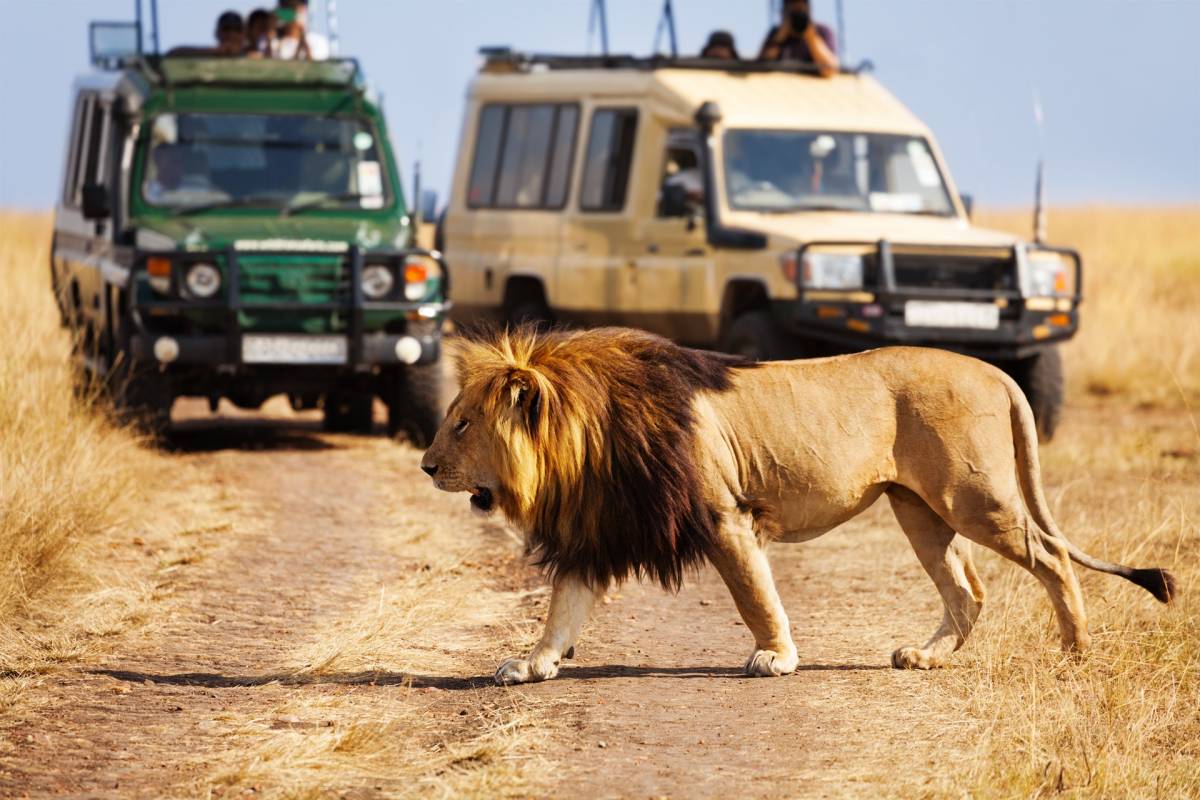
Timing your game drives strategically transforms your South African adventure trip from ordinary to extraordinary. Animals are most active during cooler hours, making early morning drives (5:30-9:00 AM) and late afternoon drives (3:30-6:00 PM) your best bets for wildlife action.
Morning drives offer several advantages: predators often hunt at dawn, elephants head to water sources, and bird activity peaks. The golden light also creates perfect photography conditions. Evening drives capture different behaviors – lions beginning their nightly hunts, hippos emerging from water, and nocturnal creatures starting their routines.
Vary your routes and timing throughout your stay. The same road can offer completely different experiences depending on the time of day and season. During dry season (May-September), focus on water sources like rivers and watering holes where animals congregate. Wet season (October-April) spreads wildlife across the landscape but offers excellent bird watching and newborn animal sightings.
Consider these high-activity areas for your game drives:
- H4-1 (Skukuza to Lower Sabie): Known for leopard sightings along the Sabie River
- S65 (Satara area): Prime lion territory with open grasslands
- H1-3 (Skukuza to Berg-en-Dal): Excellent for white rhino encounters
- H7 (Orpen to Satara): Great for cheetah sightings in open areas
Join guided night drives when available – these reveal a completely different side of the park with nocturnal species like aardvarks, pangolins, and hunting predators that remain hidden during daylight hours.
Pack essential safari gear for comfort and photography success
Smart packing elevates your Kruger National Park safari from good to unforgettable. Your gear list should balance comfort, practicality, and photography needs while considering space limitations.
Photography Equipment:
- DSLR or mirrorless camera with telephoto lens (minimum 200-400mm)
- Extra batteries and memory cards (electronics drain faster in heat)
- Lens cleaning kit for dust protection
- Bean bag or small tripod for vehicle stabilization
Clothing Essentials:
- Neutral colors (khaki, brown, olive green) to avoid attracting insects
- Long-sleeved shirts and pants for morning/evening drives
- Lightweight, breathable fabrics for daytime heat
- Warm jacket for early morning drives (temperatures can drop to 50°F)
- Comfortable closed-toe shoes and sandals
Practical Safari Gear:
- Wide-brimmed hat and quality sunglasses
- High SPF sunscreen (African sun is intense)
- Insect repellent containing DEET
- Binoculars (8×32 or 10×42 are ideal for vehicle use)
- Reusable water bottle and electrolyte supplements
Technology and Documentation:
- Portable power bank for device charging
- Universal adapter for South African outlets
- Waterproof phone case for unexpected weather
- Physical maps as backup to GPS/apps
- First aid kit with basic medications
Pack everything in soft-sided luggage for easier vehicle storage. Many lodges provide laundry services, so pack lighter and wash clothes mid-trip. Keep essential items like medications, camera gear, and important documents in carry-on bags during your Cape Town to Kruger transportation journey.
Remember that safari vehicles have limited space, and dust is constant. Ziplock bags protect electronics and important documents, while a daypack keeps frequently used items accessible during game drives.
Creating the Perfect Itinerary Balance

Allocate Ideal Time Splits Between Urban Exploration and Wilderness
The sweet spot for a Cape Town to Kruger itinerary typically involves spending 4-5 days in Cape Town and 3-4 days in Kruger National Park. This balance gives you enough time to experience Cape Town’s vibrant neighborhoods, iconic attractions like Table Mountain and the V&A Waterfront, plus venture into the stunning Winelands. The Kruger portion allows for multiple game drives across different regions of the park, increasing your chances of spotting the Big Five.
If you have 10-12 days total, consider this split: 5 days Cape Town (including 1 day in Stellenbosch or Franschhoek), 1 travel day, 4 days Kruger, and 1-2 buffer days. Shorter trips of 7-8 days work well with 3 days Cape Town, 1 travel day, and 3-4 days Kruger. Remember that Kruger requires early morning and late afternoon game drives for the best wildlife viewing, so factor in those rhythm changes when planning your South African adventure trip.
Your Cape Town time should include both must-see attractions and neighborhood wandering. Dedicate one full day to Table Mountain and the city center, another to the peninsula (Chapman’s Peak, Boulders Beach penguins), and save time for the colorful Bo-Kaap district and local markets.
Build in Rest Days to Avoid Travel Fatigue
Long-haul flights to South Africa combined with internal travel can leave you exhausted. Smart South Africa travel planning includes strategic rest periods that prevent burnout and help you absorb each experience fully. After arriving in Cape Town, resist the urge to pack your first day with activities. Use it for gentle exploration – a leisurely walk through the V&A Waterfront or a sunset visit to Signal Hill.
The transition day between Cape Town and Kruger deserves special attention. Whether you’re flying or driving, this journey involves significant time and energy. If flying via Johannesburg, consider spending one night there rather than rushing straight to Kruger. This approach lets you start your safari refreshed and ready for early morning game drives.
Within your Kruger stay, alternate intense game drive days with more relaxed activities. After two consecutive early morning safari departures (typically 5:30 AM), schedule a later start with a bush walk or visit to one of the rest camps with good facilities. These breaks prevent safari fatigue and give you time to process the incredible wildlife encounters you’ve experienced.
Build flexibility into your Cape Town Kruger transportation plans too. Weather delays, especially during summer storm season (October to March), can disrupt flights. Having one extra day buffer means you won’t stress about missed connections or rushed experiences.
Include Cultural Experiences That Connect You With Local Heritage
South Africa’s rich cultural tapestry deserves more than surface-level tourist visits. In Cape Town, go beyond the typical attractions by joining a township tour led by local guides who share personal stories and perspectives. These experiences provide context for South Africa’s complex history and present-day social dynamics. The Bo-Kaap neighborhood offers cooking classes where you learn to prepare traditional Cape Malay dishes while hearing stories from families who’ve lived there for generations.
The Winelands region provides opportunities to learn about the area’s complicated agricultural history while tasting world-class wines. Many estates now offer tours that address both their viticultural excellence and historical context, including the experiences of farm workers and their communities.
Near Kruger, cultural villages offer insights into traditional Shangaan and Tsonga lifestyles. These aren’t theme park demonstrations but authentic communities sharing their heritage through storytelling, traditional dancing, and craft-making. Some lodges partner with local schools or conservation projects, allowing visitors to contribute meaningfully during their stay.
Consider timing your visit to coincide with local festivals or events. Cape Town’s summer season brings outdoor concerts and food festivals, while Heritage Day (September 24) celebrations happen throughout the country. These events let you experience contemporary South African culture alongside the historical sites and natural wonders.
Plan Backup Activities for Weather-Dependent Situations
South African weather can be unpredictable, especially during shoulder seasons. Table Mountain closes due to high winds more often than visitors expect, so have indoor alternatives ready. Cape Town’s excellent museums, including the Zeitz Museum of Contemporary African Art and the District Six Museum, provide rich cultural experiences when outdoor plans get derailed.
Wine tasting in Stellenbosch or Franschhoek works rain or shine, as most cellars offer covered areas and indoor tasting rooms. The Two Oceans Aquarium at the V&A Waterfront fascinates visitors regardless of weather, and the surrounding shopping and dining complex provides hours of entertainment.
For Kruger National Park safari experiences, remember that animals often become more active during light rain, making overcast days potentially excellent for game viewing. However, heavy summer thunderstorms can make some roads impassable. Quality lodges and camps offer covered viewing areas, spa treatments, and educational talks during weather delays.
Pack versatile clothing that works across different scenarios. Kruger’s winter months (May-September) bring sunny days but surprisingly cold mornings and evenings, while summer brings heat, humidity, and sudden afternoon storms. Cape Town’s weather can shift dramatically within a single day, especially during spring and autumn.
Create a flexible mindset around your South Africa vacation planning. The country’s diverse landscapes and climates mean adaptation often leads to unexpected discoveries. That rainy day in Cape Town might introduce you to a cozy wine bar in Kloof Street, while a cloudy morning in Kruger could result in an incredible leopard sighting that wouldn’t have happened in harsh sunlight.
Smart Money Management and Booking Strategies

Lock in early bird discounts for accommodations and tours
Booking your South Africa travel planning well in advance can save you hundreds of dollars on your Cape Town to Kruger itinerary. Most safari lodges and Cape Town hotels offer early bird specials ranging from 15-30% off regular rates when you book 3-6 months ahead. These discounts are particularly valuable for Kruger safari booking, where luxury lodges can cost upward of $400 per night during peak season.
Tour operators typically release their early bird pricing in January for the following year’s high season (May through September). This window gives you access to the best rates for popular experiences like wine tours in Stellenbosch, cage diving in Gansbaai, and guided game drives. Many operators also throw in added value like free airport transfers or complimentary meals when you book early.
Keep in mind that early bookings often come with stricter cancellation policies, so purchase comprehensive travel insurance. Some companies offer payment plans that let you secure the discount with a small deposit and pay the balance closer to your travel date.
Understand local tipping customs and currency exchange
The South African rand (ZAR) typically offers favorable exchange rates for international visitors, but timing your currency exchange correctly makes a real difference. Avoid airport exchange counters, which charge premium rates. Instead, use ATMs from major South African banks like Standard Bank or ABSA, which offer better rates and lower fees than most foreign exchange services.
Tipping culture in South Africa differs significantly from Western standards but plays a major role in service industry incomes. Restaurant servers expect 10-15% of the bill, while safari guides and game rangers appreciate 50-100 rand per person per day for exceptional service. Hotel housekeeping staff typically receive 20-30 rand per night, and petrol attendants (fuel is full-service in South Africa) get 5-10 rand per fill-up.
For your Cape Town to Kruger transportation, tip your driver 10% of the total fare for day trips or 100-150 rand per day for multi-day journeys. These amounts might seem modest, but they represent significant income supplements in the local economy.
Identify free and low-cost activities to stretch your budget
Your South African adventure trip doesn’t have to break the bank. Cape Town offers numerous free attractions that rival expensive paid experiences. The Company’s Garden in the city center provides a peaceful escape with free entry, while hiking Lion’s Head or Table Mountain (via Platteklip Gorge) costs nothing beyond sturdy hiking boots. The V&A Waterfront’s Amphitheatre hosts free concerts and performances, especially during summer months.
Beach activities along the Atlantic Seaboard come at zero cost – from sunbathing at Clifton Beach to penguin watching at Boulders Beach (though there’s a small conservation fee). The colorful Bo-Kaap neighborhood offers free self-guided walking tours if you follow online maps and historical information.
At Kruger National Park, self-drive safaris cost a fraction of guided tours. Daily conservation fees are around 400 rand for international visitors, but you can spend entire days spotting the Big Five from your rental car. Many rest camps offer affordable accommodation starting at 800 rand per night for basic chalets. Pack your own meals and braai (barbecue) equipment to save on restaurant costs within the park.
Local markets like Greenmarket Square in Cape Town and craft markets near Kruger’s gates offer authentic souvenirs at negotiable prices, giving you cultural experiences while supporting local artisans without premium tourist markups.

Planning a trip from Cape Town to Kruger requires careful attention to logistics, timing, and budgeting, but the payoff is incredible. You’ll experience two completely different sides of South Africa – the cosmopolitan charm of Cape Town with its wine regions and stunning coastlines, paired with the raw wilderness and incredible wildlife of Kruger. The key is giving yourself enough time in each destination and choosing transportation options that work with your schedule and budget.
Don’t try to cram everything into a rushed timeline. Book your accommodations and safari activities well in advance, especially if you’re traveling during peak season. Set aside extra money for those spontaneous wine tastings in Stellenbosch or that once-in-a-lifetime helicopter ride over the park. This adventure combines the best of urban exploration and safari excitement, so embrace both experiences fully and prepare for a trip that will leave you planning your return before you even leave.