








Adventure Highlights & Add-On Experiences
Best Time to Visit Serengeti, Maasai Mara, and Kruger (Month-by-Month Guide)
Best Time to Visit Serengeti, Maasai Mara, and Kruger (Month-by-Month Guide)
Africa’s three legendary safari destinations—the Serengeti, Maasai Mara, and Kruger National Park—offer world-class wildlife experiences year-round, but timing your visit can make all the difference. Each park has its own rhythm of seasons, wildlife movements, and weather patterns that dramatically impact what you’ll see and experience.
This month-by-month guide is perfect for first-time safari-goers, wildlife photographers, and anyone planning their dream African adventure. Whether you’re chasing the Great Migration across East Africa’s plains or hoping to spot the Big Five in South Africa’s bush, we’ll help you pick the perfect travel window.
We’ll break down the Great Migration patterns so you know exactly when and where to catch this incredible spectacle. You’ll also get detailed weather forecasts and wildlife activity for each month, plus practical advice on matching your travel dates to your safari goals—from witnessing river crossings to avoiding crowds or finding the best deals.
Understanding the Great Migration Patterns

What is the Great Migration and Why It Matters
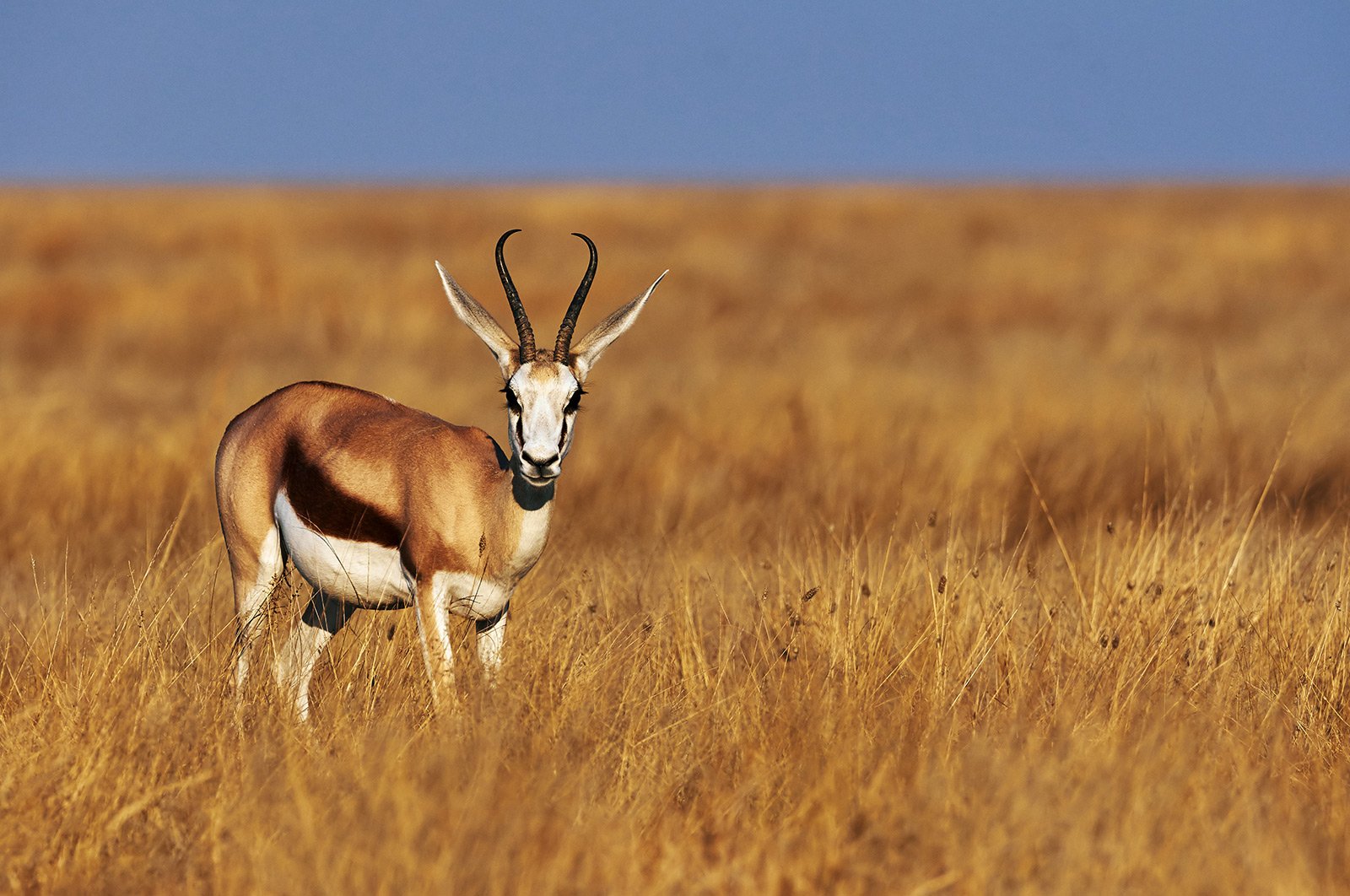
The Wildebeest Great Migration stands as the greatest wildlife spectacle on earth, featuring a massive annual wildlife trek across East Africa. This extraordinary phenomenon involves almost 2 million grazers undertaking an 800-kilometer journey, including 1.5 million wildebeest, 200,000 zebras, and thousands of gazelles migrating across the open plains with predators following closely behind.
This continuous circular movement spans across the Serengeti National Park in Tanzania, crossing over into the Masai Mara in Kenya, and back again, creating a year-round cycle of migration. The sheer scale and drama of this natural event attracts countless hungry predators, including lions, leopards, hyenas, and crocodiles, who capitalize on the abundance of prey during key moments like river crossings.
For safari enthusiasts seeking to witness this incredible spectacle, understanding Great Migration timing is crucial for planning the perfect wildlife viewing experience in East Africa.
How Migration Timing Affects Your Safari Experience
The time of year you visit will impact your safari experience, budget, and what you’ll see during your African adventure. The timing of the migration shifts annually, making it essential to check current movements with a safari expert before finalizing your travel plans.
Wildlife sightings depend heavily on animal movement and your specific location within the vast Serengeti National Park, which spans 14,763 km². This requires careful planning according to the herds’ predicted movements to maximize your chances of witnessing the migration’s most dramatic moments.
Your safari experience will vary significantly depending on whether you visit during calving season, river crossings, or the return journey, each offering unique wildlife viewing opportunities and photographic moments.
Key Locations for Each Phase of the Migration
Understanding the migration’s four distinct phases helps determine the best time to visit Serengeti and witness specific wildlife behaviors:
Calving Season (January-March)
- Location: Southern Serengeti and Ndutu region
- Highlights: Mothers giving birth, with herds gradually moving north and west towards Central Serengeti by March
Long Rains (April-May)
- Location: Western region of Central Serengeti
- Movement Pattern: Herds move north slowly while calves are young, then speed up and scatter to feast on lush grass
Dry Season (June-October)
- Locations: Northwestern Serengeti (late June-July), northern Serengeti (August), Mara River crossings into Kenya
- Key Events: Dramatic Mara River crossings occur in August, with herds beginning southward return movement by October
Short Rains (November-December)
- Locations: Return from Masai Mara to northern Serengeti in November, migration to north-eastern Serengeti, then south to Ndutu region in December
- Purpose: Positioning for the upcoming breeding season
This cyclical pattern ensures that regardless of when to see wildebeest migration, there’s always wildlife activity somewhere along the route, though specific locations and behaviors vary dramatically throughout the year.
Serengeti Season-by-Season Breakdown

Calving Season (January-March) – Baby Animals and Predator Action
The Serengeti’s calving season represents one of Africa’s most spectacular wildlife events, occurring primarily in the Southern Serengeti and Ndutu region. During January, the great migration herds move south, setting the stage for an extraordinary display of life and survival. By February, the herds slow their movement and settle in the Southern Serengeti and Ndutu area for the birthing period.
This season offers unparalleled opportunities to witness young wildebeest, zebras, and antelopes alongside lion and cheetah cubs, and elephant calves. The abundance of vulnerable newborns creates intense predator action, with big cats actively targeting the young animals. Visitors have exceptionally high chances of witnessing predator kills during this period.
As March arrives, the strengthened herds begin moving north and west toward the Central Serengeti, with calves gaining the strength necessary for the journey ahead.
Long Rains (April-May) – Lush Landscapes and Lower Crowds
Following the calving season, the Serengeti transforms during the long rains period, presenting dramatically different safari conditions. The landscape becomes lush and green, creating stunning photographic opportunities despite occasional heavy rainfall. The dramatic skies characteristic of this season provide exceptional backdrops for wildlife photography.
Migration herds continue their northward journey, moving into the western region of Central Serengeti from April through June. By May, as calves strengthen considerably, herbivores accelerate their movement and scatter across the plains in search of fresh grass.
April experiences notably fewer visitors due to humidity and wet weather conditions, making it an ideal time for exploring remote areas without crowds. May brings very heavy rainfall, resulting in quieter camps and lodges, though the central and western regions remain active with significant migration movement. This period offers lower prices and a more intimate safari experience.
Dry Season (June-October) – Peak Migration and River Crossings
The dry season marks the best time to visit Serengeti for witnessing the most dramatic wildlife spectacles. Characterized by cool, dry weather and clear skies, this period delivers peak predator sightings and the legendary river crossings. Late June through August is widely considered the optimal time to witness the Great Migration in all its glory.
During late June and July, the migration moves into the northwestern Serengeti, where the first dramatic river crossings occur at Grumeti. The herds then progress to the northern Serengeti by August, where the most spectacular Mara River crossings into Kenya take place, often involving encounters with massive crocodiles.
This period attracts high crowds, particularly from July through September, with peak visitation during the Mara River crossings. The dry conditions create excellent game viewing opportunities as animals congregate around water sources.
Short Rains (November-December) – Return Migration and Green Scenery
The short rains season brings the herds full circle, marking the return migration from Kenya back to the Serengeti. November sees herds returning to the northern Serengeti, where they linger in the north-eastern region before beginning their southern migration in December.
The short rains rejuvenate the landscape, bringing fresh grasslands to southern areas and creating excellent birding opportunities. Green scenery dominates the landscape as the ecosystem prepares for the upcoming cycle. By late December, calving begins anew, with migrating herds preparing for the breeding season in the Ndutu region.
This period experiences moderate crowds initially, though visitation increases significantly during holiday periods. The short rains create ideal conditions for the herds as they prepare for another year of the great migration cycle.
Month-by-Month Weather and Wildlife Guide

January – Southern Serengeti Calving Begins
The year opens with one of nature’s most spectacular displays as the best time to visit Serengeti begins with calving season. January brings warm, mostly dry weather with occasional short showers, transforming the plains into a lush emerald green landscape with minimal dust. The southern Serengeti and Ndutu Plains become the epicenter of activity as calving season begins, drawing massive herds of wildebeest, zebra, and gazelle to these nutrient-rich grasslands.
Wildlife enthusiasts will witness heightened predator activity as lions and cheetahs capitalize on the abundant prey, while year-round residents like elephants, giraffes, and antelope populate the Ndutu region. Expect moderate crowds, particularly in the southern calving areas, though visitor numbers remain lower than mid-year peaks. Animal movement becomes less predictable during this period, making it essential to bring insect repellent and prepare for exceptional baby animal photography opportunities.
February – Peak Calving and Predator Encounters
February delivers the peak of wildebeest migration timing with optimal weather conditions featuring warm temperatures, dry conditions, and crystal-clear skies. The Ndutu area transforms into a wildlife theater where peak wildebeest calving unfolds, accompanied by intense predator action with exceptional sightings of cheetahs, lions, and hyenas as numerous herds give birth to their young.
This represents the best safari months Africa has to offer for witnessing the raw dynamics of predator-prey relationships. Crowds increase to moderate-to-high levels in the southern Serengeti and Ndutu due to the popularity of calving season safaris. Travelers should prepare for potentially harsh predator-prey scenes, as this month delivers the highest likelihood of witnessing predator kills. Sensitive visitors should mentally prepare for nature’s unforgiving yet fascinating cycle of life and death.
March – Transition Period with Increasing Rains
March marks a crucial transition in the Serengeti weather by month calendar as warm temperatures combine with increasing humidity and the onset of long rains toward month’s end, making it one of the wettest periods. Herds remain concentrated in the south but begin their westward movement, while predators maintain high activity levels and exceptional birdlife flourishes with many species displaying breeding plumage.
This period offers a quieter safari experience with low crowd levels before long rains intensify, as migratory herds gradually leave the Ndutu region. The reduced tourist presence creates opportunities for discounted safaris and more intimate wildlife encounters. Waterproof gear becomes essential, and travelers can capitalize on finding safari specials while avoiding the heavier crowds typical of peak season months.
April – Wettest Month with Dramatic Photography
April stands out as the wettest month in the East Africa travel seasons calendar, characterized by heavy, sustained long rains that create lush green landscapes and dramatic atmospheric conditions. While fewer visitors venture out during this period, wildebeest herds spread throughout the central and western Serengeti, offering unique photographic opportunities with dramatic skies and vibrant scenery as backdrops.
Crowd levels drop to their lowest point, making April one of the quietest months for safari experiences. Many mobile camps close during this period, but the reduced accessibility creates excellent opportunities for discounted safaris and exceptional photography featuring dramatic skies. This month particularly appeals to experienced travelers seeking solitude and value, especially seniors, though first-time visitors might find conditions challenging. Essential gear includes quality rain jackets and waterproof camera bags, while travelers should maintain flexible itineraries to accommodate potential delays on muddy roads.
May – Western Corridor Movement
May continues the long rainy season with occasional dry spells punctuating periods of very heavy rainfall, marking a significant phase in Great Migration timing. Wildebeest herds begin their northward migration through the Western Corridor while crocodiles gather at the Grumeti River in anticipation of upcoming crossings, creating a buildup of tension for the dramatic river crossings ahead.
Low crowd levels persist, offering solitude-seeking travelers excellent opportunities for lower prices as camps and lodges remain relatively quiet. Off-peak pricing makes this an attractive period for budget-conscious travelers, while exceptional birdwatching opportunities abound. However, challenging road conditions require flexible travel plans, and following the Great Migration to central and western regions becomes the recommended strategy for serious safari-goers seeking authentic wildlife experiences.
June – Dry Season Starts with Grumeti Crossings
June marks the beginning of the dry season with cooler temperatures, clear skies, and only occasional afternoon thundershowers, representing one of the best safari months Africa offers for optimal game viewing conditions. Herds mass in the Western Corridor for the first dramatic river crossings at Grumeti, while predators concentrate along migration routes as the Great Migration begins its northward journey.
Crowd levels start increasing as the high season begins, though visitor numbers remain more manageable than the July-August peak period. This timing offers one of the best combinations of excellent game viewing, favorable weather conditions, and relatively controlled crowd levels, making it highly recommended for travelers seeking the optimal balance before peak safari season intensity arrives.
July – Peak Migration and Mara River Drama
July delivers the pinnacle of when to see wildebeest migration with cool mornings and evenings complementing dry, sunny conditions. The northern migration reaches full swing with dramatic Mara River crossings in the northern Serengeti creating some of the most spectacular wildlife theater on Earth, accompanied by intense predator activity as carnivores capitalize on migration chaos.
High crowd levels characterize peak season in the north, with numerous safari vehicles congregating at crossing points as many visitors flock to witness the Great Migration spectacle. Advanced booking becomes essential, and river crossing sites can become crowded with vehicles. Accommodation in northern Serengeti provides optimal access to Mara River crossings, while layered clothing addresses the crisp morning and evening temperatures during early game drives.
August – Prime Migration Season in Northern Serengeti
August represents the absolute peak of Great Migration timing with dry, sunny conditions and cool mornings creating perfect wildlife viewing weather. Mara River crossings reach their climax while large predator concentrations follow the herds, and elephants and buffalo appear in substantial numbers throughout the northern regions, delivering prolific wildlife encounters as herds become easier to spot and big cats intensify hunting activities.
Very high crowd levels characterize this peak migration viewing season in the northern Serengeti, making it one of the most sought-after periods for witnessing dramatic migration scenes. Limited availability at top lodges requires advance planning, but the month delivers some of the most spectacular and reliable wildlife viewing opportunities of the entire year.
September – Continued Northern Migration Action
September maintains warm, dry conditions with minimal rainfall while herds remain concentrated in the northern Serengeti and Masai Mara, delivering excellent big cat sightings and outstanding viewing of resident game across the park. Herds continue crossing the Mara River in smaller, more manageable batches, creating continued opportunities for witnessing river crossing drama.
High crowd levels persist in the north while central Serengeti experiences moderate visitor numbers, with particularly heavy concentrations along Kenyan and Tanzanian borders while southern areas remain quieter. Maasai Mara migration calendar timing often provides superior migration viewing opportunities across the border in Kenya during this period.
October – Southward Return Movement
October marks the end of the dry season with occasional showers beginning late in the month as the parched plains prepare for seasonal transition. Herds initiate their southward migration with predators following closely behind, creating excellent viewing opportunities in central Serengeti for both migrating species and resident wildlife. Game viewing remains spectacular even as migrating herds shift toward Kenya.
Moderate crowd levels provide relief from peak season intensity while still maintaining busy conditions in migration areas. While opportunities to observe the great migration decrease compared to previous months, the Serengeti rewards visitors with abundant resident wildlife, excellent predator spotting opportunities, and beautiful scenery during this transitional period.
November – Short Rains and Eastern Migration
November brings short rains that stimulate fresh green grass growth while migration herds move into eastern and southern Serengeti regions. This period excels for birding enthusiasts as migratory species arrive, while active predators capitalize on returning herds that linger in the northeastern Serengeti after their return from Masai Mara.
Low to moderate crowd levels characterize this period as fewer visitors brave potentially rainy conditions, though photographers and birders find this timing particularly rewarding. The quieter low season provides excellent opportunities for securing discounted rates, while occasional afternoon showers rarely disrupt game drive schedules, making this an ideal time for budget-conscious travelers to take advantage of reduced pricing.
December – Green Season and Holiday Crowds
December concludes the annual cycle with warm weather accompanied by scattered short showers as humidity begins rising for the approaching wet summer months. Herds settle into the southern Serengeti as the beginning of calving season approaches, triggering increased predator activity as prey numbers rise. Migrating herds make their way toward the southern Ndutu plains in preparation for the upcoming breeding season.
Moderate crowd levels escalate during Christmas and New Year holidays when festive season travelers create very busy conditions. This timing offers excellent opportunities for both migration sightings and festive season safaris, though early booking becomes essential for holiday dates. The month provides a perfect transition back to the beginning of the annual cycle, setting the stage for January’s calving season spectacular.
Best Times by Safari Goals and Priorities

Witnessing the Great Migration River Crossings
Late June to August represents the optimal window for witnessing one of Africa’s most spectacular wildlife events. During this period, the Great Migration reaches its dramatic crescendo as massive herds cross the Mara River between the northern Serengeti and Kenya’s Maasai Mara. The migration peaks from late June through August, offering visitors the highest probability of witnessing these death-defying river crossings where wildebeest and zebras brave crocodile-infested waters and strong currents.
Seeing Baby Animals During Calving Season
January to March brings the enchanting calving season, transforming the southern Serengeti into a nursery for Africa’s wildlife. This period offers unparalleled opportunities to observe young wildebeest, zebras, antelopes, lion and cheetah cubs, elephant calves, and various other baby animals in their natural habitat. Many experienced safari-goers consider the calving season, particularly February, the best time for a Serengeti safari due to intensified predator-prey interactions and the lush, vibrant scenery that emerges during this period.
Avoiding Crowds and Finding Solitude
For those seeking a more intimate safari experience, the rainy seasons from late March to May and November to December provide the perfect escape from tourist crowds. April and May stand out as particularly quiet months with minimal visitor numbers, while November and March also offer significantly lower crowd levels. These periods reward travelers with quieter parks, dramatic skies ideal for photography, and a more authentic wilderness experience. The shoulder seasons from late June to early September present a balanced option, allowing visitors to witness the migration while avoiding peak season congestion.
Budget-Friendly Safari Timing
Cost-conscious travelers should target the low seasons from March to May and November to December for maximum savings. These off-peak months feature discounted safari packages and reduced accommodation prices, with many safari lodges and camps offering special deals and promotions. March, April, May, and November are particularly noted for exceptional value, providing access to world-class wildlife experiences at significantly reduced costs. Safari specials become increasingly available during shoulder seasons, offering budget-friendly alternatives just before and after the peak June to September period.
Optimal Weather Conditions
The dry season from June to October delivers the most favorable weather conditions for safari activities, featuring warm, sunny days and pleasantly cool mornings. This winter period offers comfortable daytime temperatures ideal for extended game drives and outdoor activities. Travelers should avoid March through May due to the heaviest rainfall, which can significantly impact road conditions, camp operations, and overall game drive comfort. The short rains in November and December prove less disruptive than the long rains, typically consisting of brief afternoon showers that rarely interfere with safari schedules, making this an excellent time to enjoy pleasant weather while avoiding crowds.
Premium Birdwatching Opportunities
Avian enthusiasts will find November to May the premier period for birdwatching, when migratory species arrive to join the resident populations, swelling the bird count to over 500 recorded species. March emerges as particularly exceptional for birdlife, with many species displaying their finest breeding plumage, while May also provides excellent birdwatching conditions. November marks the arrival of numerous migratory bird species, creating spectacular birding opportunities amidst the lush, rejuvenated landscape that follows the rains.
Choosing the Right Time for Your Travel Style

Solo Travelers – Best Months for Single Supplements
Solo adventurers seeking the best time to visit Serengeti and other East African destinations should target November through March for optimal single supplement savings. During these quieter months, safari operators often reduce their single supplement fees significantly, making solo travel more affordable. The reduced tourist traffic creates a more intimate wildlife experience, allowing solo travelers to enjoy personalized attention from guides and camp staff. These months also provide excellent photographic opportunities without the crowds that typically accompany peak season travel.
Couples and Honeymoons – Peak Drama vs Romantic Settings
Couples planning a romantic Africa safari season face an exciting choice between peak drama and intimate experiences. For those seeking the ultimate spectacle, late July to August delivers the peak drama of the Great Migration, creating unforgettable shared memories. However, honeymoon couples should expect premium pricing during this period. Alternatively, off-season visits offer a more romantic atmosphere with fewer crowds and better honeymoon package deals. The quieter months provide couples with more private game viewing opportunities and enhanced service at luxury lodges, creating the perfect setting for romance without the hustle of peak season tourism.
Families – Kid-Friendly Weather and Logistics
Families should consider June through September as the optimal window for their East Africa travel seasons experience. While this period commands higher prices, the guaranteed dry conditions eliminate weather-related complications that could disrupt family travel plans. The dry season ensures reliable overland logistics, making transportation between camps and parks much smoother with children in tow. These months provide predictable weather patterns that help families maintain consistent schedules, crucial when traveling with young ones who need routine and comfort.
Mature Travelers – Comfortable Conditions and Fewer Crowds
Mature travelers benefit most from visiting during January, February, June, or November when Serengeti weather by month patterns offer milder conditions. These periods combine comfortable temperatures with reduced tourist numbers, creating ideal circumstances for a more relaxed safari experience. The fewer crowds mean better wildlife viewing opportunities and more personalized service at accommodations. Additionally, off-season discounts during these months provide excellent value for mature travelers who often have flexible travel schedules and can take advantage of these quieter periods.
Budget Travelers – Maximum Savings Opportunities
Budget-conscious travelers should target March through May or November through December for maximum savings opportunities. Despite encountering limited camp options and daily showers during these periods, the substantial discounts make these months attractive for cost-conscious adventurers. The reduced accommodation availability requires advance planning, but the significant savings on both lodging and tour packages can make the difference between an affordable safari and an unattainable dream. These shoulder seasons still offer excellent wildlife viewing while providing the best value for money in the safari calendar.
Practical Planning Considerations

Booking Requirements for Peak vs Off-Peak Seasons
Planning your safari timing significantly impacts your booking strategy and requirements. For peak season travel, particularly during the dramatic Mara River crossings from July to August and holiday periods in December, advance booking becomes absolutely critical. Top-tier lodges and camps typically require reservations up to a year ahead, as these prime viewing periods attract safari enthusiasts from around the world.
The best time to visit Serengeti and when to visit Maasai Mara directly influences your booking timeline. Peak migration months create intense competition for accommodation, making early planning essential for securing your preferred dates and locations.
Accommodation Availability and Pricing
Safari pricing follows distinct seasonal patterns that can dramatically affect your budget. During high season months from July to September, expect accommodation rates and flight costs to increase significantly as demand peaks for optimal Great Migration timing.
Off-peak months present excellent opportunities for budget-conscious travelers. March through May and November through December typically offer discounted safari packages and reduced accommodation rates. Many lodges and camps provide attractive specials during these quieter periods, making it an ideal time for cost-effective Africa safari season guide planning.
August presents particular challenges with extremely limited availability at premium lodges, requiring even earlier booking than other peak months. Conversely, April sees many mobile camps temporarily closing, though this creates opportunities for significant safari discounts. Budget travelers should note that March through May and November through December may offer limited camp options despite the attractive pricing.
Road Conditions and Access During Rainy Seasons
Weather conditions directly impact accessibility and travel logistics across all three destinations. The heaviest rains from March to May create the most challenging travel conditions, potentially affecting road quality and game drive comfort. April particularly demands flexible travel planning, as muddy roads can cause significant delays and complications.
May continues to present road challenges, making overland travel more difficult. For families and travelers preferring uncomplicated logistics, June through September offers optimal conditions with dry roads and reliable access throughout the parks. These months align perfectly with best safari months Africa recommendations for hassle-free travel.
Essential Gear for Different Weather Conditions
Proper gear preparation varies dramatically based on your chosen travel period. March and April require comprehensive waterproof equipment, including high-quality rain jackets and waterproof protective bags for cameras and electronic equipment. These wet season months demand preparation for unpredictable weather conditions.
The dry season and winter months from June to October bring cooler temperatures, particularly during early morning and evening game drives. July mornings and evenings can be especially crisp, requiring layered clothing for comfortable early morning departures. January travel necessitates effective insect repellent due to increased insect activity during this period.

The timing of your safari to the Serengeti, Maasai Mara, and Kruger will ultimately shape your entire African adventure. From witnessing the dramatic river crossings during peak migration season to experiencing the intimate calving moments in quieter months, each period offers its own unique rewards. Whether you prioritize budget-friendly travel during the rainy seasons, seek the guaranteed wildlife spectacle of the dry months, or prefer the lush landscapes and fewer crowds of shoulder seasons, understanding these patterns ensures you’ll align your expectations with reality.
Remember that there’s truly no single “best” time to visit these iconic destinations—each month brings something special to the table. The key is matching your personal priorities, travel style, and budget with the seasonal rhythms of East and Southern Africa. Consider consulting with safari experts who can provide up-to-date migration patterns and help customize your itinerary based on current wildlife movements, as these natural cycles can shift from year to year. Your perfect safari timing is the one that delivers exactly what you’re hoping to experience in the African wilderness.