







Planning & Preparation Guides
How to Combine Safari and Beach: From Serengeti to Zanzibar or Mombasa
How to Combine Safari and Beach: From Serengeti to Zanzibar or Mombasa
Planning a safari and beach combination trip across East Africa sounds incredible, but the logistics can feel overwhelming. This guide is designed for travelers who want to experience Africa’s legendary wildlife followed by pristine coastal relaxation, covering the most popular routes from Serengeti to Zanzibar or Kenya’s parks to Mombasa beaches.
Many visitors struggle with the practical details of combining these two completely different experiences into one seamless Tanzania safari beach holiday or Kenya safari Mombasa beach adventure. You’ll face decisions about timing, transportation, packing for vastly different climates, and budgeting for what can become an expensive dual-destination trip.
This comprehensive guide will walk you through choosing the best safari beach combo Africa route for your travel style and timeline. We’ll cover the essential logistics of moving from safari to coast, including flight connections, overland options, and timing considerations that can make or break your Africa safari and beach vacation. You’ll also discover how to optimize your budget without sacrificing the quality of your Tanzania beach safari package experience, plus get insider tips on packing smart for both bush camps and beach resorts.
Choose Your Perfect Safari-Beach Combination Route

Serengeti to Zanzibar: The Classic Tanzania Experience
The Serengeti to Zanzibar combination represents the gold standard of Tanzania safari beach holiday packages. This route offers seamless access from Africa’s most famous wildlife destination to pristine Indian Ocean beaches. Start your adventure in the Serengeti’s endless plains, where the Great Migration creates one of nature’s most spectacular shows. After tracking the Big Five, fly directly from Seronera Airstrip to Stone Town, Zanzibar’s historic heart.
Your Serengeti Zanzibar itinerary can span 7-14 days depending on your preferences. Most travelers spend 4-5 days on safari, allowing time to explore multiple parks including Ngorongoro Crater, before heading to Zanzibar for 3-4 days of beach relaxation. The flight between destinations takes just 2 hours, making transitions effortless.
Zanzibar’s appeal extends beyond stunning beaches. Stone Town’s UNESCO World Heritage architecture, spice tours, and vibrant markets create cultural depth that complements your wildlife experience. The island’s eastern coast offers powdery white sand beaches at Paje and Jambiani, while the north provides calmer waters at Nungwi.
Kenya Safari to Mombasa: Wildlife Meets Swahili Culture
Kenya safari Mombasa beach combinations provide an equally compelling alternative with distinct advantages. Kenya’s park infrastructure is well-developed, and Mombasa offers rich Swahili heritage alongside beautiful coastline. The Maasai Mara, Kenya’s crown jewel, delivers exceptional wildlife viewing year-round.
This Kenya coast safari combination typically involves flying from Wilson Airport in Nairobi to Mombasa’s Moi International Airport. The journey takes 90 minutes, connecting your Mara experience to the warm waters of Diani Beach or Watamu Marine Park. Mombasa’s Old Town showcases centuries of Arab, Portuguese, and British influences through its architecture and cuisine.
Kenya’s coast offers diverse experiences from the coral reefs of Malindi to the exclusive Lamu archipelago. Beach resorts here often provide exceptional value compared to Zanzibar, and the marine life is equally spectacular for snorkeling and diving enthusiasts.
Budget vs Luxury Options for Each Route
Tanzania safari beach packages span a wide price spectrum. Budget-conscious travelers can combine camping safaris with Zanzibar guesthouses, spending around $200-300 per day. Mid-range options featuring comfortable lodges and 3-4 star beach resorts cost $400-600 daily. Luxury combinations with high-end camps and exclusive beach properties reach $800-1,500 per day.
| Route | Budget Range | Accommodation Type | Key Features |
| Tanzania Budget | $200-300/day | Camping + Guesthouses | Shared facilities, local guides |
| Tanzania Luxury | $800-1,500/day | Premium Camps + Resorts | Private vehicles, world-class dining |
| Kenya Budget | $180-280/day | Basic Lodges + Beach Hotels | Group tours, standard rooms |
| Kenya Luxury | $700-1,200/day | Exclusive Camps + Boutique Resorts | Butler service, private beaches |
Safari beach combo Africa costs vary significantly based on seasonal demand. Peak season prices (July-October, December-January) increase by 30-50%. Shoulder seasons offer excellent value with comparable wildlife viewing and perfect beach weather.
Timing Considerations for Maximum Wildlife and Weather
The Africa safari and beach vacation timing requires balancing wildlife movements with weather patterns. For Tanzania combinations, the dry season (June-October) provides optimal game viewing but coincides with Zanzibar’s peak tourist season. The short rains (November) often deliver spectacular wildlife action with fewer crowds.
Kenya’s migration timing differs slightly. The Mara river crossings typically occur July-September, making this period ideal for safari to beach logistics Africa planning. However, coastal weather remains favorable year-round, with occasional rains in April-May.
Consider these optimal timing windows:
- Great Migration Focus: July-September (Tanzania), June-August (Kenya)
- Calving Season: January-March (Tanzania), December-February (Kenya)
- Budget-Friendly: March-May, November (both countries)
- Beach Weather: Consistent year-round, avoid April-May heavy rains
Weather patterns affect both activities and pricing. The long rains (March-May) create lush landscapes and dramatic skies but can impact game drive accessibility. Conversely, dry seasons guarantee wildlife concentrations around water sources but may lack the verdant beauty that follows rainfall.
Plan your combination around specific wildlife events for maximum impact. If witnessing river crossings is your priority, book July-September. For calving season and predator action, January-March delivers unforgettable experiences with pleasant beach conditions following your safari.
Plan Your Safari Adventure in Tanzania or Kenya

Best Safari Parks for First-Time Visitors
When planning your Tanzania safari beach holiday or Kenya safari Mombasa beach combo, choosing the right national parks makes all the difference. The Serengeti National Park stands as Tanzania’s crown jewel, offering incredible wildebeest migration experiences and big five encounters that make it perfect for first-timers. Pair this with the Ngorongoro Crater, often called Africa’s Eden, where you’ll spot rhinos, lions, and elephants within a collapsed volcanic caldera.
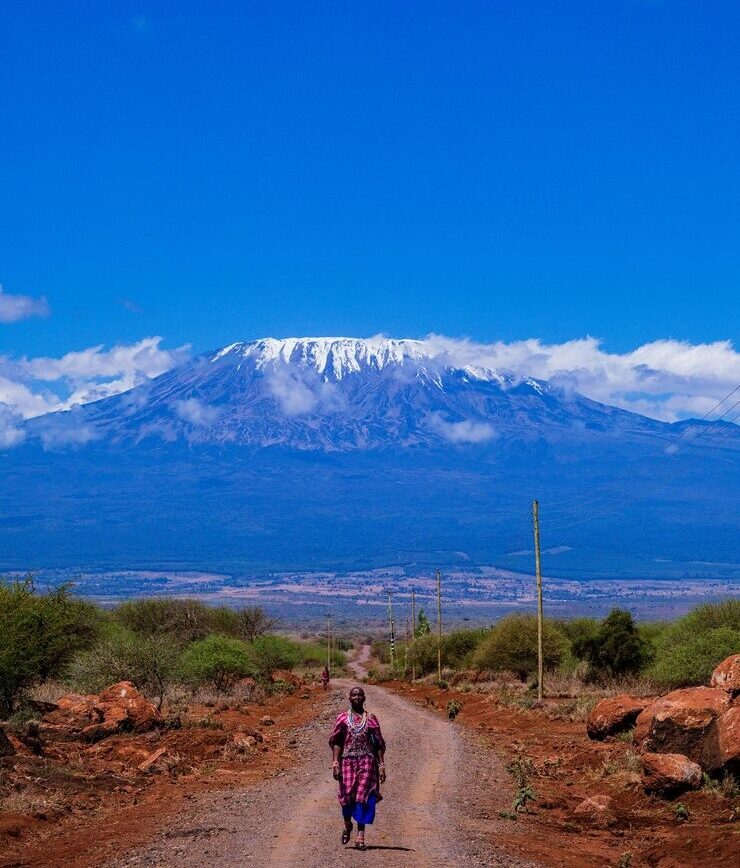
For your Kenya coast safari combination, Maasai Mara National Reserve delivers world-class game viewing with its famous river crossings during migration season. Amboseli National Park offers stunning elephant herds against Mount Kilimanjaro’s backdrop, while Tsavo East provides a more rugged, authentic experience.
Consider these top combinations:
- Serengeti + Ngorongoro: Classic Tanzania experience
- Maasai Mara + Amboseli: Kenya’s greatest hits
- Serengeti + Maasai Mara: Cross-border adventure
Optimal Safari Duration Before Beach Time
Your safari and beach combination works best with 4-6 days on safari before hitting the coast. This timing prevents safari fatigue while giving you enough wildlife encounters to satisfy your adventure appetite. Three days feels rushed, especially if you’re traveling long distances between parks, while seven or more days might leave you craving those ocean breezes.
The sweet spot for most travelers:
- 4 days: Perfect for one major park plus a conservancy
- 5 days: Ideal for two parks with comfortable pacing
- 6 days: Allows for three locations or deeper exploration
Factor in travel days between locations. Flying between parks saves time but costs more, while driving offers scenic routes but eats into your beach relaxation time.
Essential Wildlife Experiences Not to Miss
Your Africa safari and beach vacation should include these must-see moments. The Big Five remain the gold standard – lions lounging in acacia trees, leopards draped over branches, elephants at watering holes, buffalo herds thundering across plains, and the elusive black rhino.
Time your visit for these spectacular experiences:
- Great Migration (July-October): River crossings in Maasai Mara
- Calving Season (January-March): Newborns in southern Serengeti
- Predator Action: Early morning and late afternoon game drives
- Bird Watching: Over 500 species in both Tanzania and Kenya
Don’t miss cultural encounters with Maasai villages, hot air balloon safaris over the Serengeti, or walking safaris in private conservancies. These experiences add depth beyond traditional game drives.
Accommodation Options from Budget to Luxury
Your safari beach combo Africa budget determines your accommodation style. Luxury lodges like Singita Serengeti or Fairmont Mara Safari Club offer all-inclusive experiences with premium locations, gourmet dining, and exclusive game viewing areas.
| Budget Level | Accommodation Type | Price Range (per person/night) |
| Budget | Camping/Basic lodges | $50-150 |
| Mid-range | Tented camps | $200-500 |
| Luxury | Premium lodges | $800-2000+ |
Mid-range options like Serena Safari Lodges or Keekorok Lodge provide comfortable amenities without breaking the bank. Budget travelers can choose camping safaris or basic banda accommodations that still offer excellent game viewing opportunities.
Book accommodations well in advance, especially during peak migration seasons. Many lodges offer Tanzania beach safari package deals that include coastal extensions, making your transition from Serengeti to Zanzibar seamless.
Master the Logistics of Moving from Safari to Coast

Flight Connections from Safari Airstrips to Beach Destinations
Flying from safari camps to beach destinations represents the most efficient way to transition from your wildlife adventure to coastal relaxation. Tanzania offers excellent flight connections from Serengeti airstrips like Seronera and Kogatende directly to Zanzibar, with journey times typically ranging from 1.5 to 2 hours. These flights operate daily during peak season, making your safari to beach logistics Africa seamless.
In Kenya, Wilson Airport in Nairobi serves as the primary hub for connecting flights from Masai Mara’s airstrips to Mombasa’s Moi International Airport. The total travel time, including the stopover in Nairobi, usually takes 3-4 hours. Some operators offer direct charter flights from Mara airstrips to Diani Beach’s Ukunda Airport, reducing travel time significantly.
Key airlines operating these routes include SafariLink, Coastal Aviation, and Precision Air. Book flights early during peak season (July-September and December-January) as seats fill quickly. Weight restrictions on safari aircraft typically limit luggage to 15kg per person in soft bags, so plan accordingly for your Tanzania safari beach holiday.
Flight schedules align well with safari camp checkout times, usually departing between 10 AM and 2 PM, allowing you to reach your beach destination by late afternoon.
Ground Transportation Alternatives and Timeframes
Road travel from safari areas to coastal destinations offers a more budget-friendly alternative, though it requires significantly more time. The drive from Serengeti to Dar es Salaam takes approximately 8-10 hours, followed by a ferry or short flight to Zanzibar. This route provides opportunities to see local communities and landscapes but can be physically demanding after several days on safari.
From Kenya’s Masai Mara to Mombasa, expect a 6-8 hour drive depending on road conditions and stops. The journey passes through Nairobi, where you can break the trip with an overnight stay. Many travelers combine this with a visit to Nairobi National Park or local cultural sites.
Ground Transportation Options:
| Route | Method | Duration | Cost Range |
| Serengeti to Dar es Salaam | Private vehicle + ferry | 10-12 hours | $200-300 |
| Mara to Mombasa | Private vehicle | 6-8 hours | $150-250 |
| Organized transfer | Tour operator shuttle | 8-10 hours | $100-180 |
Private vehicles offer flexibility for stops and photography but require experienced drivers familiar with local conditions. Organized transfers through tour operators provide convenience and often include meal stops at strategic locations.
Luggage Management Between Safari and Beach Stays
Managing luggage during your safari and beach combination requires strategic planning, especially given the different requirements for each environment. Safari lodges often provide laundry services, allowing you to pack lighter and wash dusty clothes before heading to the beach.
Most safari camps accommodate luggage storage if you’re returning to the same region. This proves valuable when you need different gear for each portion of your trip. Leave heavy items like boots and warm clothing at the safari camp and collect them later if your itinerary includes a return.
Essential Packing Strategy:
- Use one main bag for beach essentials (swimwear, light clothing, reef-safe sunscreen)
- Pack a separate safari bag with dusty gear that can be left behind
- Carry valuables and electronics in hand luggage during transfers
- Include a lightweight day pack for both activities
Weight restrictions on charter flights between safari camps and beaches typically allow 15kg in soft-sided luggage. Hard cases aren’t permitted on most safari aircraft due to space constraints. Consider leaving excess luggage at hotels in Arusha or Nairobi if your Tanzania beach safari package includes returns to these gateway cities.
Beach resorts usually provide toiletries and beach towels, reducing your packing requirements. Focus on sun protection, casual resort wear, and perhaps one nice outfit for dinner. Smart luggage management makes your Kenya safari Mombasa beach combination more enjoyable and less stressful.
Select Your Ideal Beach Destination

Zanzibar’s Stone Town and Spice Island Charm
Zanzibar offers the perfect blend of cultural richness and pristine beaches after your Serengeti safari. Stone Town, a UNESCO World Heritage site, welcomes visitors with its labyrinthine alleys, ornate doorways, and centuries-old architecture that tells stories of Arab, Persian, and Portuguese influences. The island’s spice tours reveal why Zanzibar earned its nickname as the “Spice Island” – you’ll walk through plantations growing cardamom, cinnamon, and vanilla while learning about the island’s trading history.
The beaches here are legendary. Nungwi and Kendwa on the northern coast offer powdery white sand and crystal-clear waters perfect for swimming at any tide. The eastern beaches of Paje and Jambiani provide excellent conditions for kitesurfing and windsurfing. Prison Island, just a short boat ride away, houses giant tortoises and offers excellent snorkeling opportunities.
| Beach Area | Best For | Accommodation Style |
| Nungwi | Swimming, dining | Luxury resorts |
| Paje | Water sports | Beach bungalows |
| Stone Town | Culture, history | Boutique hotels |
Mombasa’s Historical Sites and Modern Beach Resorts
Mombasa serves as Kenya’s gateway to spectacular Indian Ocean beaches while offering rich Swahili culture and historical sites. Fort Jesus, built by the Portuguese in 1593, stands as a testament to the city’s strategic importance in maritime trade. The Old Town buzzes with activity as dhows still dock at the harbor, carrying goods from across the region.
Diani Beach, located 30 kilometers south of Mombasa, consistently ranks among Africa’s best beaches. This 17-kilometer stretch of white sand backed by coral cliffs and baobab trees creates a dramatic landscape. The Colobus Conservation project here protects endangered monkeys that often visit beachfront properties.
North Coast beaches like Nyali and Bamburi offer easy access from Mombasa city, making them ideal for shorter beach extensions after your Kenya safari Mombasa beach combination. These areas feature established infrastructure with golf courses, shopping centers, and varied dining options.
Water sports flourish along the Mombasa coast. The coral reef system provides world-class diving and snorkeling, particularly at Kisite-Mpunguti Marine National Park. Deep-sea fishing yields marlin, sailfish, and tuna, while dhow sailing trips offer sunset cruises reminiscent of ancient trading voyages.
Lesser-Known Coastal Gems Worth Considering
Beyond the popular destinations, East Africa’s coastline hides remarkable gems that offer more intimate experiences for your safari and beach combination. Pemba Island, Zanzibar’s northern neighbor, attracts serious divers with its pristine coral reefs and fewer crowds. The island produces some of the world’s finest cloves, and visiting the plantations provides authentic cultural encounters.
Mafia Island in Tanzania creates a perfect sanctuary for those seeking tranquility after Serengeti adventures. This UNESCO World Heritage marine park protects whale sharks, making it one of the best places globally to swim with these gentle giants. The island’s laid-back atmosphere and community-based tourism initiatives support local fishing villages.
In Kenya, Lamu Island transports visitors back in time with its Swahili architecture and donkey-filled streets. Cars are banned here, creating a peaceful environment where dhows still serve as the primary transport. The annual Lamu Cultural Festival celebrates centuries-old traditions with poetry, music, and dance performances.
Watamu, a small coastal town north of Mombasa, combines beautiful beaches with important conservation efforts. The turtle conservation project here protects nesting sites while offering visitors chances to witness hatching seasons. The town’s coral gardens provide exceptional snorkeling right off the beach.
Beach Activities Beyond Sunbathing and Swimming
Your Africa safari and beach vacation can include numerous activities that showcase the region’s marine biodiversity and cultural heritage. Kite surfing has exploded in popularity along the East African coast, with Paje in Zanzibar and Che Shale in Kenya offering ideal wind conditions and professional instruction centers.
Cultural village tours provide insights into coastal communities’ daily lives. In Zanzibar, seaweed farming tours show how local women have turned marine agriculture into sustainable income. Fishing trips with local fishermen using traditional outrigger canoes offer authentic experiences while supporting community tourism.
Marine conservation activities allow travelers to contribute meaningfully during their beach stay. Sea turtle monitoring programs in Kenya and Tanzania welcome volunteers to help with night patrols during nesting seasons. Coral restoration projects near Mombasa and Zanzibar teach visitors about reef conservation while participating in actual restoration work.
Spice and cooking classes complement beach relaxation beautifully. Learning to prepare traditional Swahili dishes using locally grown spices creates lasting memories and skills you can share back home. Many coastal lodges offer these experiences, often followed by sunset dining on the beach.
Historical and archaeological tours reveal the coast’s role in Indian Ocean trade networks. Exploring ruins of ancient settlements, visiting old mosques, and learning about the region’s complex history adds educational depth to your Tanzania safari beach holiday experience.
Optimize Your Budget for Safari-Beach Combinations

Cost-Saving Strategies for Dual Destination Trips
Combining a safari and beach vacation doesn’t have to drain your bank account. The key is timing your trip during shoulder seasons – April to May and November in Tanzania, or late March to early June in Kenya. Safari lodges drop their rates significantly during these periods, and you’ll still catch incredible wildlife action while enjoying fewer crowds.
Book domestic flights between safari locations and coastal areas well in advance. Flying from Serengeti to Zanzibar or from Maasai Mara to Mombasa can cost 30-40% less when booked 2-3 months ahead. Consider budget airlines like Precision Air or Jambojet for these internal routes.
Group travel creates massive savings opportunities. Safari operators offer substantial discounts for 4+ people sharing game drives and accommodations. Split the cost of private vehicles, and everyone benefits from personalized experiences at lower per-person rates.
Mix accommodation styles strategically. Splurge on one luxury safari camp for 2-3 nights, then balance with comfortable mid-range lodges. On the coast, alternate between boutique resorts and quality guesthouses. This approach lets you experience both luxury and authentic local culture without the premium price tag throughout your entire Africa safari and beach vacation.
Use local tour operators instead of international companies. Tanzanian and Kenyan operators charge 20-30% less than overseas agencies while providing equally professional services. Research operators with strong reviews and proper licensing for the best value.
When to Splurge vs When to Save Money
Your safari experience deserves premium investment in specific areas. Splurge on quality game drives with experienced guides who know animal behavior patterns and prime viewing locations. The difference between an amateur and expert guide can make or break your Serengeti Zanzibar itinerary. Professional guides spot leopards in trees, predict river crossings during migration, and position vehicles for perfect photography opportunities.
Invest in decent safari accommodations with reliable generators and good food. Tented camps with proper bathrooms and hot water prevent discomfort that could ruin your adventure. However, you don’t need the most expensive luxury lodges – comfortable mid-range options often provide similar wildlife viewing with better value.
Save money on beach accommodations by choosing locations slightly away from prime beachfront strips. Hotels 5-10 minutes from the main beach areas in Zanzibar or Mombasa cost significantly less while still offering excellent access to pristine coastlines. Local guesthouses and smaller boutique properties often provide more authentic experiences than large resort chains.
Skip expensive resort restaurants for at least half your beach meals. Local restaurants serve fresh seafood and traditional dishes at fraction of resort prices. Street food markets offer incredible flavors and cultural immersion opportunities that resort dining can’t match.
Don’t overspend on beach activities. Snorkeling gear rental costs $5-10 daily compared to $50+ for resort-organized trips to the same reefs. Local fishermen offer authentic dhow sailing experiences for $20-30 per person versus $80+ through hotels.
Package Deals vs Independent Planning Benefits
Safari beach combo Africa packages offer convenience and peace of mind for first-time visitors. Reputable operators handle all logistics, transfers, and bookings, eliminating stress about connecting flights, visa requirements, and accommodation confirmations. These Tanzania beach safari packages typically include airport transfers, internal flights, and guided experiences with fixed pricing that prevents unexpected costs.
Package deals excel when combining multiple safari locations with beach destinations. Operators negotiate bulk rates with lodges, airlines, and ground transport companies, passing savings to travelers. Premium packages often include extras like airport lounges, priority bookings, and 24/7 local support that independent travelers struggle to access.
Independent planning shines for experienced travelers wanting flexibility and authentic experiences. You control every decision – from choosing unique boutique accommodations to adjusting itineraries based on weather or personal preferences. Independent travelers often discover hidden gems and local connections that package tours bypass.
| Aspect | Package Deals | Independent Planning |
| Cost | Fixed pricing, bulk discounts | Variable, potential for big savings |
| Flexibility | Limited changes allowed | Complete control over itinerary |
| Local Experience | Structured, predictable | Authentic, spontaneous opportunities |
| Planning Time | Minimal effort required | Extensive research needed |
| Risk Level | Low – everything handled | Higher – you handle problems |
Hybrid approaches work exceptionally well for safari to beach logistics Africa. Book safari portions through operators who specialize in wildlife experiences, then arrange beach accommodations independently. This strategy combines professional safari expertise with flexible coastal exploration while maintaining reasonable costs for your Kenya coast safari combination.
Pack Smart for Dual-Environment Travel

Essential Safari Gear That Won’t Work on Beaches
Your safari gear collection likely includes items that simply don’t belong on a beach vacation. Heavy-duty hiking boots, while perfect for traversing rocky terrain in search of the Big Five, become uncomfortable and impractical on sandy shores. Those thick, long-sleeved khaki shirts designed to protect against thorny acacia branches will have you sweating profusely under the tropical coastal sun.
Insect repellent with high DEET concentrations works wonders against tsetse flies during your Serengeti safari but can damage swimwear and isn’t beach-friendly. Your trusty bush hat with mosquito netting might look out of place at a Zanzibar beach resort, and those bulky binoculars that helped spot leopards in Maasai Mara trees become dead weight when you’re lounging by the Indian Ocean.
Professional safari vests with multiple pockets serve no purpose when your main activities involve snorkeling and sunbathing. Pack these safari-specific items in a separate bag that you can store at your beach accommodation or consider shipping them home after your wildlife adventure ends.
Versatile Clothing for Both Destinations
Smart packing for your Tanzania safari beach holiday means choosing pieces that work in both environments. Lightweight, moisture-wicking shirts in neutral colors serve double duty – they photograph well against safari backdrops and provide sun protection on Mombasa beaches. Quick-dry pants can handle morning game drives and convert to comfortable beachwear for afternoon strolls along the coast.
A versatile wardrobe might include:
- Breathable long-sleeve shirts in light colors that protect from sun in both settings
- Convertible pants/shorts that zip off at the knee
- Lightweight merino wool base layers that regulate temperature and resist odors
- Multi-use sarongs that serve as beach cover-ups, safari dust protection, or picnic blankets
- Packable rain jacket for unexpected downpours in either location
Choose fabrics that wash easily and dry quickly. Cotton blends work well, but synthetic materials often perform better in Africa’s varied climates. Avoid dark colors that attract insects during safari segments of your Kenya coast safari combination.
Photography Equipment for Wildlife and Coastal Shots
Your Africa safari and beach vacation demands different photographic approaches, but smart equipment choices can handle both scenarios beautifully. A versatile zoom lens (70-200mm or 100-400mm) captures distant wildlife during your Serengeti adventure and doubles as an excellent portrait lens for beach photography.
Consider this essential kit:
| Equipment | Safari Use | Beach Use |
| Telephoto lens | Wildlife close-ups | Coastal landscapes, people |
| Wide-angle lens | Landscape shots | Underwater housing shots |
| Polarizing filter | Reduces glare, enhances skies | Eliminates water reflection |
| Extra batteries | Cold morning game drives drain power | Sand and salt affect performance |
| Waterproof camera bag | Dust protection | Sand and water protection |
Bring lens cleaning supplies – safari dust and ocean spray both challenge your equipment. A sturdy tripod works for both sunrise shots over the savanna and long-exposure beach photography. Don’t forget underwater disposable cameras or a GoPro for snorkeling adventures off the Tanzanian coast.
Memory cards fill quickly when photographing both charging elephants and pristine coral reefs, so pack extras. Consider cloud storage backup options since you’ll accumulate thousands of images during your safari to beach logistics Africa journey.

Safari-beach combinations offer the perfect way to experience Africa’s wild heart and stunning coastlines in one unforgettable trip. The key lies in smart planning – choosing the right route between Tanzania’s Serengeti and Zanzibar or Kenya’s parks and Mombasa coast, timing your logistics carefully, and packing versatile gear that works for both dusty game drives and beach relaxation. Your budget doesn’t have to break the bank if you mix accommodation types and book flights strategically.
Ready to trade elephant sightings for ocean waves? Start planning your dates around the best wildlife viewing seasons, book your domestic flights early, and pack light layers that transition easily from safari vehicle to beach lounger. This incredible combination gives you the best of both worlds – there’s nothing quite like watching a Serengeti sunset one day and diving into turquoise waters the next.