










Destinations & Experiences
Beyond the Safari: Africa’s Most Scenic Road Trips and Hidden Escapes
Beyond the Safari: Africa’s Most Scenic Road Trips and Hidden Escapes
Most travelers think Africa is all about safari game drives and wildlife spotting. But the continent offers some of the world’s most breathtaking Africa road trips that go far beyond the typical tourist trail.
This guide is for adventurous travelers, road trip enthusiasts, and anyone seeking authentic African experiences away from crowded tour buses. You’ll discover scenic drives Africa has kept secret, from dramatic coastlines to ancient cultural sites.
We’ll take you along epic coastal drives that hug Africa’s pristine shores, where turquoise waters meet rugged cliffs and fishing villages dot the landscape. You’ll explore mountain passes and highland adventures that wind through misty peaks and rolling valleys most visitors never see. Finally, we’ll uncover hidden destinations Africa locals know about – remote communities, ancient kingdoms, and off the beaten path Africa locations where traditional life continues unchanged.
Ready to trade your game drive for the open road? Let’s explore the African scenic drives that will completely change how you see this incredible continent.
Epic Coastal Drives Along Africa’s Pristine Shores

Garden Route’s Wine Valleys and Whale Watching Spots
The Garden Route stretches for 300 kilometers along South Africa’s southern coast, creating one of the world’s most spectacular coastal drives Africa has to offer. Starting from Mossel Bay and ending in Storms River, this legendary African scenic drive weaves through coastal forests, pristine beaches, and rolling wine valleys that make every kilometer worth savoring.
Wine enthusiasts discover hidden gems in the Plettenberg Bay wine region, where boutique estates like Bramon Wine Estate produce award-winning sparkling wines with ocean views. The Robertson Wine Valley, just inland from the main route, offers intimate tastings at family-owned cellars where you can sample chenin blanc and shiraz while watching ostriches roam nearby vineyards.
Hermanus becomes a whale-watching paradise from June to November when southern right whales arrive to breed. Walker Bay provides front-row seats to these gentle giants breaching just meters from shore. The cliff-top whale watching trail offers multiple vantage points, while boat excursions get you close enough to hear whale songs echoing through the water.
Knysna’s famous lagoon creates a dramatic backdrop for oyster tasting and forest adventures. The Heads – two massive sandstone cliffs guarding the lagoon entrance – provide breathtaking photo opportunities. Nearby Tsitsikamma National Park offers the world’s highest bungee jump from Bloukrans Bridge, adding adrenaline to your coastal adventure.
Morocco’s Atlantic Coast from Casablanca to Essaouira
Morocco’s Atlantic coastline delivers an enchanting road trip that blends imperial cities, fishing villages, and windswept beaches. This 350-kilometer journey showcases Morocco’s diverse landscapes while following ancient trade routes that connected Africa to Europe.
Casablanca kicks off your adventure with its Art Deco architecture and the magnificent Hassan II Mosque, whose minaret reaches toward the Atlantic sky. The coastal road immediately reveals Morocco’s authentic character as you pass through Azemmour, a Portuguese-influenced town where white-washed buildings overlook the Oum Er-Rbia River.
El Jadida surprises travelers with its UNESCO-listed Portuguese City, complete with underground cisterns that create mystical reflections in still water. The ramparts offer panoramic ocean views while local fishermen mend nets in the harbor below. Stop at beachside cafes serving grilled sardines and mint tea while watching surfers tackle Atlantic swells.
Oualidia presents a hidden coastal gem where flamingos wade through shallow lagoons surrounded by oyster farms. This laid-back fishing village offers some of Morocco’s finest seafood, particularly the famous Oualidia oysters served with lemon and local white wine. The protected lagoon creates calm swimming conditions while nearby beaches attract kitesurfers.
Essaouira caps off this African road trip with its vibrant medina, artistic soul, and constant Atlantic breeze. The ancient port city buzzes with Gnawa music, argan oil cooperatives, and woodworking artisans. Windsurfers and kitesurfers flock to the consistent trade winds, while the old ramparts provide sunset views over the endless Atlantic horizon.
Namibia’s Skeleton Coast Desert Meets Ocean Adventure
Namibia’s Skeleton Coast creates one of the planet’s most dramatic landscapes where the Namib Desert crashes into the frigid Atlantic Ocean. This remote wilderness stretches for 500 kilometers, offering intrepid travelers an otherworldly experience that few humans ever witness.
The journey begins in Swakopmund, Namibia’s adventure capital where German colonial architecture meets endless sand dunes. From here, the coastal road north passes through landscapes so alien they’ve served as backdrops for countless sci-fi movies. Massive sand dunes tumble directly into ocean waves, creating a collision of ecosystems found nowhere else on Earth.
Shipwrecks dot the coastline, giving the Skeleton Coast its haunting name. The Eduard Bohlen, a cargo ship from 1909, now sits stranded 400 meters inland due to shifting sands – a testament to the desert’s relentless advance toward the sea. These ghostly vessels create surreal photo opportunities against the stark desert backdrop.
Wildlife thrives in this harsh environment through remarkable adaptations. Desert-adapted elephants trek across sand dunes searching for underground water sources, while fur seals create massive breeding colonies at Cape Cross. Over 80,000 seals gather here during breeding season, creating a cacophony of sounds and smells that assault the senses.
The northern reaches require 4WD vehicles and careful planning, as fuel stations become scarce and temperatures can drop dramatically when fog rolls in from the ocean. Local tour operators offer fly-in safaris to remote camps where you can experience this pristine wilderness without the challenging drive.
South Africa’s Wild Coast Untamed Beauty
The Wild Coast lives up to its name with 250 kilometers of rugged coastline where traditional Xhosa culture meets some of Africa’s most pristine beaches. This unexplored Africa destination remains largely untouched by mass tourism, offering authentic cultural encounters and spectacular scenery along remote gravel roads.
Traditional rondavels dot rolling green hills that plunge toward dramatic cliff faces and hidden beaches accessible only on foot. The N2 highway provides the main access route, but the real adventure begins when you turn off onto bumpy dirt roads leading to isolated coastal communities.
Hole in the Wall ranks among South Africa’s most photographed natural landmarks – a massive rock arch carved by centuries of wave action. Reaching this iconic spot requires a 4WD vehicle and local guide, but the journey through traditional villages provides cultural insights unavailable elsewhere. Local Xhosa guides share stories passed down through generations while leading visitors across river mouths and rocky headlands.
Port St Johns offers the perfect base for exploring the region’s highlights. This laid-back town sits where the Umzimvubu River meets the Indian Ocean, creating excellent fishing and kayaking opportunities. The surrounding coastline features secluded beaches like Silaka Nature Reserve, where you might spot migrating whales or share the sand with nobody but local fishermen.
Coffee Bay provides another gateway to Wild Coast adventures, with backpacker lodges offering horseback rides along empty beaches and guided walks to hidden waterfalls. The nearby Hluleka Nature Reserve protects coastal grasslands where eland and bushbuck graze within sight of crashing waves.
Road conditions can be challenging during rainy season, but these African travel routes reward adventurous spirits with authentic experiences impossible to find along more developed coastlines.
Mountain Passes and Highland Adventures

Ethiopia’s Simien Mountains Dramatic Cliff Roads
The jagged peaks and vertiginous drops of Ethiopia’s Simien Mountains offer some of Africa’s most heart-stopping scenic drives. This UNESCO World Heritage site presents mountain passes Africa travelers dream about, with roads carved into cliffsides that plunge thousands of meters into emerald valleys below. The main route from Gondar to Debark winds through landscapes so dramatic they feel otherworldly.
Driving these highland roads rewards you with encounters that go far beyond typical African travel routes. Gelada monkeys – found nowhere else on Earth – graze alongside the roadway, their crimson chests blazing against the golden grasslands. The road to Chenek camp climbs to over 3,600 meters, offering panoramic views across the Simien plateau where massive escarpments stretch toward the horizon like ancient fortress walls.
Weather conditions change rapidly at these altitudes, transforming clear mountain air into swirling mists within minutes. The road surface varies from smooth asphalt to rough gravel, demanding careful navigation around hairpin bends where one wrong turn could spell disaster. Local guides often recommend starting early morning drives to catch the clearest visibility before afternoon clouds roll in.
Villages perched on seemingly impossible slopes dot the route, their stone houses blending seamlessly with the rocky terrain. Stop at Sankaber to witness the Jinbar Falls cascading 500 meters down sheer cliff faces, creating rainbows in the mist that dances across the canyon floor.
Lesotho’s Sani Pass High-Altitude Thrills
Connecting South Africa’s Drakensberg region with Lesotho’s highlands, the Sani Pass ranks among the continent’s most challenging and rewarding mountain drives. This single-track road climbs 1,332 meters over just 20 kilometers, reaching an altitude of 2,876 meters at the summit. Four-wheel drive vehicles are mandatory – the steep gradients, loose gravel surfaces, and extreme weather conditions make this route impossible for regular cars.
The pass snakes through 17 switchback turns, each one revealing increasingly spectacular views across the Drakensberg escarpment. Alpine meadows give way to stark mountain terrain where Basotho shepherds tend their flocks wrapped in traditional blankets, seemingly unbothered by the thin air and biting winds that challenge even experienced mountain drivers.
Snow can fall year-round at the summit, creating treacherous driving conditions that transform the already demanding route into an extreme adventure. The highest pub in Africa sits at the top – a welcome sight after the grueling ascent where celebration beers taste especially sweet at nearly 3,000 meters above sea level.
Border formalities add an extra dimension to this journey, with passport controls at both the bottom and top of the pass. The contrast between lush South African valleys and Lesotho’s stark highland plateau creates one of southern Africa’s most dramatic landscape transitions, making every challenging kilometer worthwhile.
Morocco’s Atlas Mountains Berber Village Routes
The High Atlas Mountains conceal a network of winding roads that connect ancient Berber villages unchanged for centuries. These routes offer intimate glimpses into traditional mountain life while delivering some of North Africa’s most spectacular scenery. The road from Marrakech to Imlil serves as a gateway to this mountain world, climbing through terraced valleys where walnut and cherry trees frame traditional adobe houses.
Tizi-n-Tichka Pass, at 2,260 meters, represents Morocco’s highest major road crossing. The journey reveals layers of geological history written in colorful rock formations that shift from red sandstone to green serpentine as you climb. Roadside vendors sell fossils and minerals extracted from these ancient mountains, their stalls creating splashes of color against the dramatic backdrop.
Village markets along these mountain routes showcase traditional crafts unchanged for generations. Stop in Telouet to explore the crumbling kasbah of the former Glaoui rulers, or detour to Ait Benhaddou, where Hollywood movies have captured the timeless beauty of Berber architecture. These fortified villages, built from local clay and stone, seem to grow directly from the mountainsides.
The roads themselves tell stories of engineering ingenuity, with sections carved directly from cliff faces and bridges spanning deep gorges. Local drivers navigate these passes with casual expertise, their vehicles loaded with everything from livestock to building materials, demonstrating how these mountain highways serve as lifelines for isolated communities.
Spring brings almond blossoms that transform entire valleys into pink and white tapestries, while autumn colors paint the landscape in shades of gold and amber that rival any mountain destination worldwide.
Desert Crossings and Oasis Discoveries

Sahara’s Ancient Caravan Trading Routes
The Sahara transforms into a living history book when you follow the ancient trans-Saharan trading routes that connected North and West Africa for over a thousand years. The Algeria-Mali corridor, once traveled by merchants carrying gold, salt, and ivory, offers modern adventurers an incredible desert road trip across Africa’s most legendary landscape.
Starting from Tamanrasset in southern Algeria, the route winds through dramatic volcanic plateaus and endless sand seas toward Gao in Mali. Along the way, you’ll discover the haunting beauty of the Ahaggar Mountains, where ancient rock art tells stories of when the Sahara was green and fertile. These desert road trips Africa showcase include stops at traditional Tuareg settlements where nomadic culture remains beautifully preserved.
The Morocco-Mauritania route presents another fascinating caravan trail, connecting Marrakech to Nouakchott through some of the Sahara’s most spectacular terrain. This journey takes you past medieval trading posts like Chinguetti, where ancient libraries house manuscripts dating back to the 12th century. The drive through Western Sahara’s phosphate mining regions reveals how modern commerce has replaced ancient trade networks.
| Route | Distance | Best Season | Highlights |
| Algeria-Mali | 2,400km | November-March | Ahaggar Mountains, Tuareg culture |
| Morocco-Mauritania | 1,800km | October-April | Chinguetti libraries, Atlantic coast |
| Tunisia-Libya | 1,200km | December-February | Roman ruins, oasis towns |
Kalahari’s Remote Wilderness Tracks
The Kalahari Desert stretches across three countries, creating some of Africa’s most rewarding off the beaten path Africa experiences. Unlike the Sahara’s sand dunes, the Kalahari offers a semi-arid landscape where wildlife thrives and ancient San communities maintain their traditional hunting and gathering lifestyle.
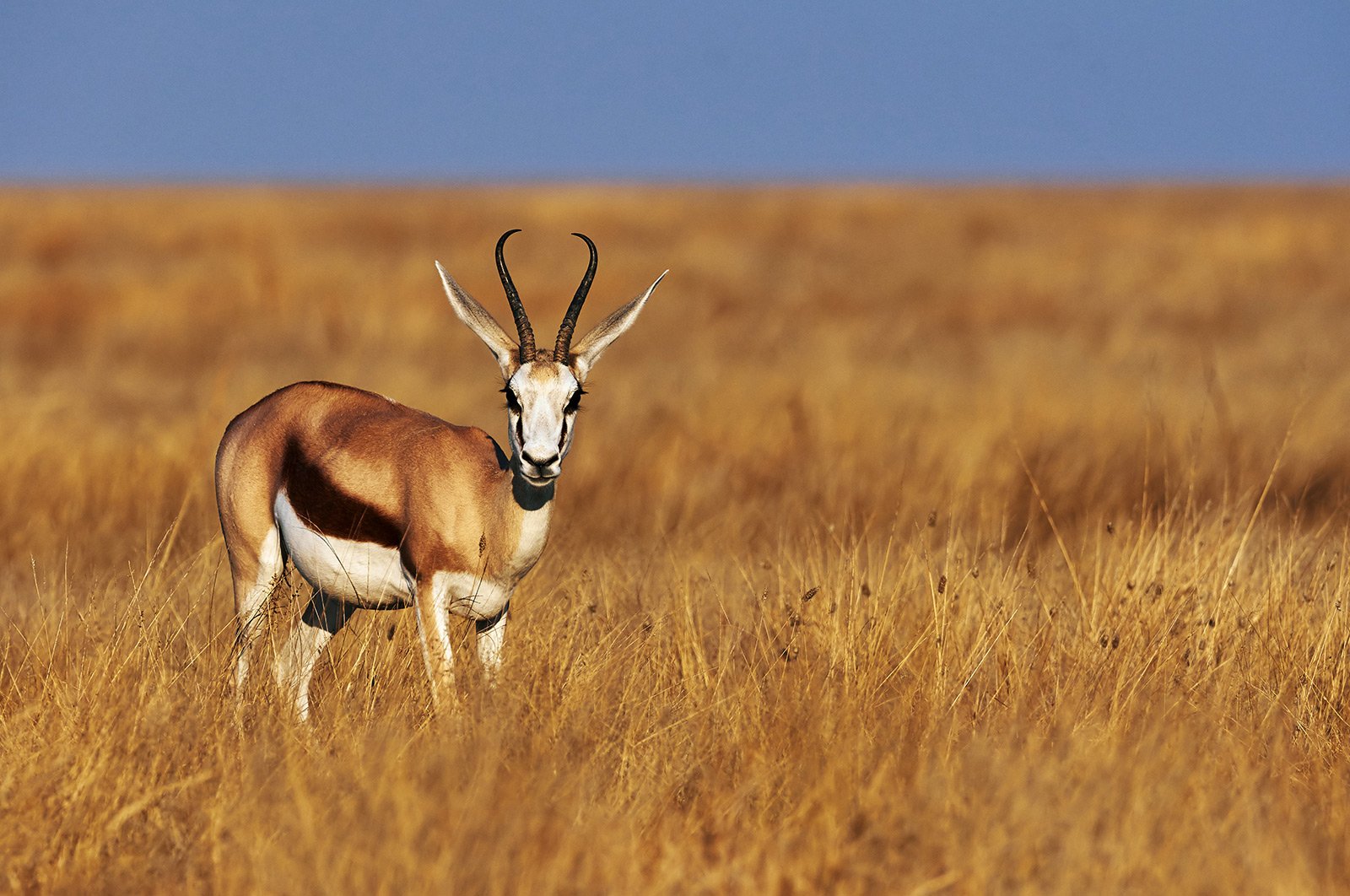
Botswana’s Central Kalahari Game Reserve provides the ultimate wilderness road trip, where you can drive for hours without seeing another soul. The reserve’s network of sandy tracks leads to seasonal pans where massive herds of springbok and gemsbok gather during the rains. These hidden destinations Africa are home to the legendary black-maned Kalahari lions and elusive brown hyenas.
The trans-Kalahari highway from Lobatse, Botswana to Windhoek, Namibia ranks among the most scenic drives Africa has to offer. This well-maintained route crosses the heart of the desert, passing through small settlements where San rock art sites preserve 20,000-year-old cultural heritage. The journey includes stops at cattle posts and traditional villages where you can experience rural African life away from tourist crowds.
South Africa’s Northern Cape section of the Kalahari offers excellent wildlife viewing along the R31 route from Kuruman to Upington. The road passes through the Kgalagadi Transfrontier Park, where red sand dunes create stunning backdrops for wildlife photography.
Namib Desert’s Towering Sand Dune Landscapes
The Namib Desert, Earth’s oldest desert at 80 million years, creates some of the planet’s most dramatic scenery along Namibia’s coastal plain. The desert road trips through this UNESCO World Heritage landscape reveal massive sand dunes that can reach heights of 325 meters, creating an otherworldly experience for travelers seeking African scenic drives beyond traditional safari destinations.
The iconic route from Windhoek to Sossusvlei takes you through increasingly spectacular desert scenery. Starting in highland savanna, the landscape gradually transforms into the red sand dunes of the southern Namib. The final approach to Sossusvlei requires a 4×4 vehicle to navigate the soft sand, but the reward includes access to some of Africa’s most photographed landscapes.
Skeleton Coast drives offer haunting beauty where the desert meets the Atlantic Ocean. This route from Swakopmund to the Kunene River showcases shipwrecks scattered along the shore, massive seal colonies, and desert-adapted elephants that have learned to survive in this harsh environment. The contrast between towering dunes and crashing waves creates unforgettable scenery.
For adventurous drivers, the Sperrgebiet (Forbidden Zone) in southern Namibia has recently opened limited access. This diamond mining area preserved pristine desert landscapes for over a century, creating unique opportunities to explore untouched wilderness areas.
Sudan’s Nubian Desert Archaeological Wonders
Sudan’s Nubian Desert holds some of Africa’s most significant archaeological treasures, yet remains one of the continent’s least explored regions for road travelers. The ancient Kingdom of Kush left behind more pyramids than Egypt, scattered across desert landscapes that few tourists ever see.
The route from Khartoum to Karima follows the Nile through increasingly arid landscapes until you reach the royal necropolis of Nuri and el-Kurru. These sites contain the tombs of Kushite pharaohs who once ruled both Sudan and Egypt, with pyramid fields that rival those of Giza in their historical importance. The drive passes through traditional Nubian villages where ancient customs survive along the riverbank.
Meroe, located 200 kilometers northeast of Khartoum, represents the crown jewel of Nubian archaeological sites. The journey crosses classic Sahel landscape where acacia trees dot rolling hills before giving way to true desert. At Meroe, over 200 pyramids create one of Africa’s most impressive ancient sites, yet you might have the entire complex to yourself.
The Old Dongola route takes travelers to the medieval capital of Christian Nubia, where cathedral ruins and palace foundations emerge from windswept desert sands. This cultural heritage trail reveals how Christianity flourished in the Nile Valley for over a thousand years, leaving behind architectural wonders that few visitors ever witness. The drive includes stops at traditional pottery villages where craftspeople maintain techniques passed down through generations.
Cultural Heritage Trails Through Historic Kingdoms

Mali’s Dogon Country Cliff Villages
The red cliffs of Mali’s Bandiagara Escarpment stretch for over 150 kilometers, hiding one of Africa’s most remarkable cultural heritage trails. These sandstone formations house the ancient Dogon villages, where mud-brick homes cling impossibly to cliff faces like architectural miracles frozen in time.
Your journey begins in Bandiagara town, where the paved road gives way to dirt tracks leading to villages like Sangha and Djiguibombo. Each settlement tells a different story through its unique cliff-dwelling architecture. The Dogon people have called these heights home for over 600 years, creating a living museum of traditional West African culture.
The road to Ireli village offers breathtaking views of the escarpment’s layers, each representing millions of years of geological history. Ancient baobab trees dot the landscape, their massive trunks serving as natural landmarks for navigation. Local guides share stories of the Tellem people, mysterious cliff dwellers who preceded the Dogon and left behind granaries carved directly into the rock face.
Village markets burst with handwoven textiles, intricate bronze work, and wooden sculptures that reflect centuries-old artistic traditions. The drive between settlements becomes a journey through time, where traditional farming methods and ancient irrigation systems still function perfectly in harmony with the harsh Sahel environment.
Zimbabwe’s Great Zimbabwe Ruins Circuit
Zimbabwe’s cultural heritage trails wind through landscapes dotted with stone ruins that predate European arrival by centuries. The Great Zimbabwe complex stands as Africa’s most impressive medieval city south of the Sahara, but it’s just the beginning of an extraordinary archaeological road trip.
Starting from Masvingo, the route to Great Zimbabwe National Monument takes you through granite kopjes and msasa woodlands. The massive stone walls, built without mortar, demonstrate the engineering prowess of the Shona people who ruled this region from the 11th to 15th centuries. The Hill Complex offers panoramic views across the valley, where you can spot smaller ruins scattered across the horizon.
Your African travel routes continue north to Khami Ruins near Bulawayo, where terraced stone platforms cascade down hillsides like ancient amphitheaters. The drive through communal lands reveals how modern Zimbabwean communities maintain connections to their ancestral heritage. Traditional homesteads still follow architectural principles established centuries ago.
The circuit extends to lesser-known sites like Naletale and Dhlo-Dhlo, accessible via scenic drives through commercial farming areas and conservation lands. Each site offers unique insights into the sophisticated trade networks that connected inland Africa to coastal ports. Pottery fragments, Chinese porcelain, and Persian beads found at these locations prove these weren’t isolated settlements but thriving centers of international commerce.
Ghana’s Slave Coast Emotional Journey
Ghana’s coastal heritage trail follows one of history’s most emotionally charged routes, connecting slave forts and castles that served as departure points for millions of Africans during the trans-Atlantic slave trade. This cultural heritage trail through Ghana combines stunning ocean views with profound historical reflection.
The journey typically starts in Accra and heads west along the Gulf of Guinea. Cape Coast Castle, now a UNESCO World Heritage site, presents the stark reality of the slave trade through its preserved dungeons and “Door of No Return.” The surrounding town maintains its colonial character, with narrow streets leading to fishing harbors where traditional boats still launch each morning.
Elmina Castle, just 20 kilometers west, represents the oldest European building in sub-Saharan Africa. Built by the Portuguese in 1482, it changed hands multiple times before becoming a major slave fort. The drive between these sites follows a scenic coastal route where palm-fringed beaches contrast sharply with the heavy historical significance of the monuments.
The trail continues to smaller forts like Fort Amsterdam and Fort Metal Cross, many now partially reclaimed by tropical vegetation. Local communities have transformed some into cultural centers and museums, ensuring that stories of resilience alongside tragedy are preserved. Fishing villages between the forts maintain traditions that predate the colonial period, offering glimpses of coastal life that survived centuries of disruption.
Traditional festivals and ceremonies still mark important dates in the cultural calendar, providing visitors with authentic connections to living heritage rather than just historical monuments.
Off-the-Beaten-Path Hidden Gems

Madagascar’s Unique Endemic Wildlife Reserves
Madagascar sits like a forgotten world 250 miles off Africa’s eastern coast, where evolution took an entirely different path. This island nation hosts some of the planet’s most extraordinary wildlife reserves, accessible through winding dirt roads that few travelers dare to navigate. The Andasibe-Mantadia National Park offers an incredible road trip experience through misty highlands where indri lemurs sing their haunting calls at dawn. The drive from Antananarivo takes about three hours through rice terraces and traditional villages, rewarding adventurous travelers with close encounters with Madagascar’s famous lemur species.
Ankarafantsika National Park presents a different landscape altogether – dry deciduous forests where endemic birds like the Madagascar fish eagle soar overhead. The park’s network of forest roads provides excellent wildlife viewing opportunities, especially during the dry season when animals congregate around water sources. Road conditions can be challenging, but the payoff includes sightings of fossas, Madagascar’s largest predator, and the bizarre aye-aye nocturnal lemur.
The remote Masoala Peninsula requires serious commitment to reach, involving ferry crossings and rough jungle tracks. This pristine rainforest reserve protects red-ruffed lemurs and countless endemic species found nowhere else on Earth. The journey becomes part of the adventure, with overnight camping under star-filled skies and river crossings that test both vehicle and driver.
Socotra Island’s Alien-Like Botanical Paradise
Socotra Island floats in the Arabian Sea like a biological time capsule, where one-third of its plant species exist nowhere else on the planet. Getting there requires flying from mainland Yemen, but once arrived, the island’s rough coastal roads reveal landscapes that seem borrowed from another world. The iconic dragon’s blood trees dot the landscape like giant umbrellas, their twisted branches creating an otherworldly canopy against stark mountain backdrops.
The island’s limited road network winds through valleys filled with bottle trees and desert roses that have adapted to extreme conditions over millions of years. Homhil Plateau showcases the densest concentration of these endemic species, accessible via a bone-jarring track that climbs steadily from sea level. The drive rewards visitors with panoramic views across landscapes that appear more Martian than terrestrial.
Socotra’s coastal roads hug dramatic cliffs where waves crash against pristine white sand beaches. Qalansiyah Beach road passes through fishing villages where life continues much as it has for centuries. The island’s isolation has preserved both its unique flora and traditional Socotri culture, making road trips here feel like traveling back in time while exploring an alien planet.
Central African Republic’s Untouched Rainforest Sanctuaries
Deep within Central African Republic lies Sangha Trinational, a UNESCO World Heritage site that harbors some of Africa’s last intact rainforest ecosystems. The journey to reach these sanctuaries requires serious preparation and local guides, as roads disappear into muddy tracks that become impassable during rainy seasons. Four-wheel drive vehicles are essential for navigating the forest paths that lead to viewing areas where forest elephants, lowland gorillas, and countless bird species thrive in undisturbed habitats.
The Dzanga-Sangha Complex offers the continent’s most reliable forest elephant viewing at Dzanga Bai, a natural clearing where hundreds of elephants gather to drink mineral-rich water. The rough access road from Bayanga village takes about an hour through dense forest canopy that filters sunlight into cathedral-like beams. This challenging journey keeps visitor numbers low, ensuring wildlife encounters remain authentic and undisturbed.
Bai Hokou provides opportunities to observe habituated western lowland gorillas, though reaching the research station requires crossing rivers and navigating unmarked forest trails. The isolation of these rainforest sanctuaries means travelers experience Africa at its most pristine, where the forest’s sounds and rhythms dominate daily life.
Chad’s Tibesti Mountains Volcanic Formations
The Tibesti Mountains rise from Chad’s northern deserts like a geological wonderland, where active volcanoes and ancient craters create dramatic landscapes rarely seen by outsiders. Reaching this remote mountain range requires expedition-level planning, specialized vehicles, and experienced local guides familiar with desert navigation. The volcanic formations here include Emi Koussi, Chad’s highest peak, whose crater rim offers views across endless Saharan expanses.
Desert tracks wind through lava fields and past hot springs that bubble up from underground thermal sources. The journey to Trou au Natron crater reveals a landscape of salt formations and sulfur deposits that create an almost supernatural atmosphere. This massive volcanic depression sits below sea level, creating unique geological conditions found nowhere else in the Sahara.
The Tibesti region’s isolation means encountering Toubou people who maintain traditional nomadic lifestyles adapted to harsh desert conditions. Their knowledge of water sources and safe passage routes makes them invaluable guides for travelers attempting to cross this challenging terrain. The volcanic landscapes change constantly as wind and time sculpt the formations into new shapes, ensuring each visit reveals different perspectives on this geological masterpiece.
Cameroon’s Ring Road Crater Lakes Adventure
Cameroon’s Ring Road creates a spectacular circular route through the country’s volcanic highlands, connecting a series of crater lakes that formed from ancient volcanic activity. This 367-kilometer loop takes travelers through diverse ecosystems, from dense rainforests to grassland savannas, with each crater lake offering unique characteristics and local legends. Lake Nyos, though famous for tragic reasons, showcases the region’s volcanic heritage alongside stunning mountain scenery.
The road winds past traditional villages where local communities have adapted to life around these mystical water bodies. Lake Wum presents crystal-clear waters surrounded by rolling hills, while Lake Oku sits at high altitude surrounded by montane forests home to endemic species like the Bannerman’s turaco. Each lake stop reveals different geological formations and cultural stories passed down through generations.
Mountain passes along the Ring Road offer panoramic views across crater-dotted landscapes that stretch to distant horizons. The drive from Bamenda through Wum, Nyos, and back creates opportunities to experience Cameroon’s cultural diversity, as different ethnic groups have settled around various lakes over centuries. Local guesthouses and community tourism initiatives provide authentic accommodation options, supporting conservation efforts while offering travelers genuine cultural exchanges.
The Ring Road adventure combines geological wonders with cultural immersion, creating one of Africa’s most underrated scenic drives. Road conditions vary seasonally, with dry season travel offering the best accessibility to remote crater lakes and mountain viewpoints.

Africa’s roads offer incredible experiences that go way beyond what most tourists ever see. From dramatic coastal highways where ocean waves crash against cliffs to winding mountain passes that reveal breathtaking panoramas, these scenic drives connect you with landscapes that feel almost otherworldly. The desert crossings take you through vast expanses where ancient oases provide welcome relief, while cultural heritage trails guide you through regions where powerful kingdoms once thrived and their stories still echo today.
The real magic happens when you venture off the main tourist routes and discover those special places that don’t make it into guidebooks. These hidden gems – remote waterfalls, secluded beaches, forgotten ruins, and traditional villages – offer authentic encounters that create lasting memories. Pack your sense of adventure, plan your route carefully, and get ready to see Africa from a completely different perspective. The continent’s most scenic roads are calling, and they promise experiences that will change how you think about this remarkable part of the world.