









Destinations & Experiences
The Great Migration Explained: When and Where to See It
The Great Migration Explained: When and Where to See It
Every year, over 1.5 million wildebeest and hundreds of thousands of zebras and gazelles embark on Africa’s most spectacular wildlife show – the Great Migration. This guide is for wildlife enthusiasts, safari planners, and travelers who want to witness this incredible natural phenomenon without the guesswork.
The Great Migration safari experience depends entirely on timing and location. Many visitors miss the action because they don’t understand the animals’ seasonal movement patterns or choose the wrong viewing spots. This guide cuts through the confusion with practical information you need to plan your trip.
We’ll break down the migration’s year-round cycle so you know exactly when to see Great Migration highlights like river crossings and calving season. You’ll discover the best locations across Kenya and Tanzania, from the Serengeti’s endless plains to the Masai Mara’s dramatic river scenes. Finally, we’ll cover migration safari planning essentials, including optimal timing for different experiences and what to expect during each season.
Understanding the Great Migration Phenomenon

What makes this the world’s most spectacular wildlife event
The Great Migration stands as nature’s greatest theater, where over two million animals embark on a never-ending journey across East Africa’s vast landscapes. This phenomenon dwarfs every other wildlife spectacle on Earth, creating scenes that leave even seasoned safari-goers speechless. Picture massive herds stretching beyond the horizon, their thundering hooves creating dust clouds visible from miles away. The sheer scale defies imagination – imagine a living, breathing river of animals flowing across ancient plains that have witnessed this drama for millennia.
What sets this migration apart isn’t just the numbers, but the raw drama that unfolds daily. River crossings become life-or-death theaters where crocodiles wait in murky waters while desperate animals plunge forward. Predators shadow the herds, creating tension-filled moments where survival instincts clash with the relentless drive to keep moving. The sight of newborn calves taking their first steps on the same ground their ancestors have traveled creates an emotional connection that touches visitors deeply.
Key animal species involved in the migration
Wildebeest dominate the Great Migration safari experience, with approximately 1.5 million of these sturdy antelopes forming the migration’s backbone. These hardy animals have evolved specifically for this endless journey, possessing incredible endurance and an innate GPS system that guides them across hundreds of miles. Their distinctive grunting calls and synchronized movements create an almost hypnotic rhythm that defines the migration experience.
Zebras play a crucial supporting role, with around 300,000 individuals joining the procession. These striped companions aren’t just along for the ride – they serve as the migration’s advance scouts and grass-cutting specialists. Zebras prefer longer, tougher grasses that wildebeest typically avoid, creating a natural partnership where zebras clear the way for wildebeest to access the shorter, more nutritious grasses beneath.
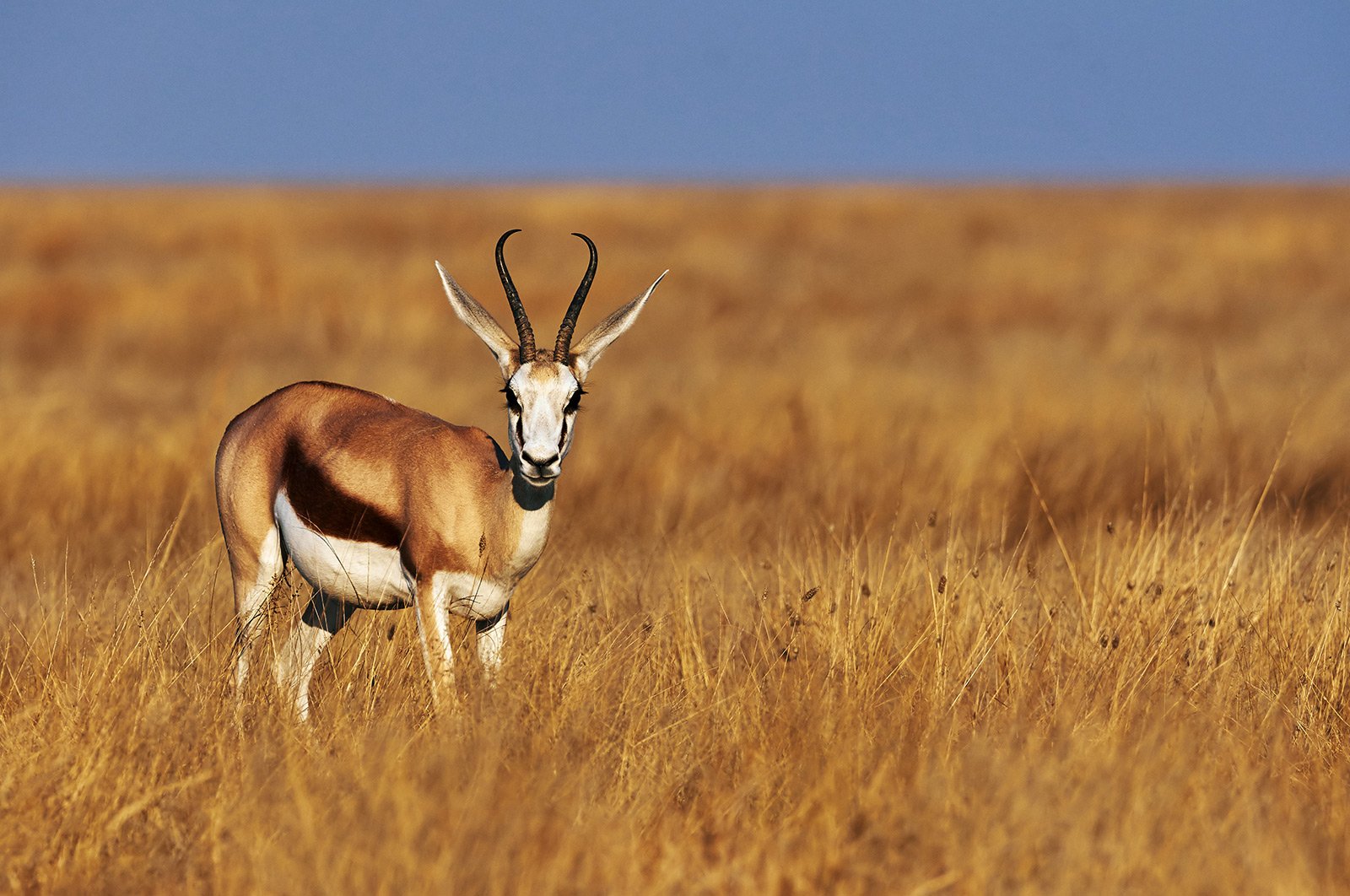
Thomson’s gazelles complete the trinity with roughly 400,000 individuals adding grace and agility to the migration. These smaller antelopes bring different survival strategies, using their speed and alertness to navigate predator-heavy areas. Together, these three species create a complex ecosystem in motion, each contributing unique survival skills that benefit the entire group.
The circular route that drives millions of animals
The Great Migration follows an ancient circular pathway spanning approximately 1,800 miles across the Serengeti-Mara ecosystem. This route isn’t random – it’s been carved by thousands of years of evolutionary pressure and environmental adaptation. Animals follow invisible highways written in their genetic code, responding to rainfall patterns, grass quality, and seasonal changes that their ancestors navigated successfully.
The journey begins in Tanzania’s southern Serengeti, where calving season creates vast nurseries of newborn wildebeest. From here, herds move northwest toward the central Serengeti, following the rains and fresh grass growth. The western corridor becomes a critical bottleneck where animals face the treacherous Grumeti River crossings. Survivors continue north into Kenya’s Masai Mara, where they encounter the infamous Mara River – perhaps the most dramatic and photographed wildlife crossing on the planet.
After months in the Mara’s rich grasslands, shorter rains in the south signal the return journey. Animals sweep back through the eastern Serengeti, completing the circle that will begin again with the next generation. This clockwise movement ensures herds never overgraze any single area, maintaining the delicate balance that has sustained this migration for over one million years.
Why timing varies each year
Rain patterns drive Great Migration timing more than any calendar date, making each year’s journey unique and unpredictable. East Africa’s weather systems operate on complex cycles influenced by Indian Ocean temperatures, monsoon patterns, and global climate variations. These factors create subtle shifts that can advance or delay migration movements by several weeks, keeping even experienced guides guessing about exact timing.
The animals possess an remarkable ability to sense atmospheric pressure changes and detect rain from extraordinary distances. Long before weather satellites confirm approaching storms, migration herds begin moving toward areas where grass will soon flourish. This prehistoric weather prediction system means timing varies significantly – calving might occur in January one year and March the next, while river crossings could peak in July or stretch into September.
Climate change adds another layer of unpredictability to migration patterns. Shifting rainfall seasons and increasingly erratic weather events affect grass growth cycles and water availability. Some years bring devastating droughts that force animals to modify traditional routes, while exceptional rains might keep herds in unexpected areas longer than usual. Understanding this natural variability helps explain why flexible planning becomes essential for anyone hoping to witness specific migration events during their Kenyan Tanzania migration experience.
Seasonal Movement Patterns Throughout the Year

January to March: Calving Season in the Southern Serengeti
The southern Serengeti transforms into nature’s most spectacular nursery during the first quarter of the year. Between January and March, approximately 500,000 wildebeest calves are born within a concentrated 2-3 week period, creating one of the most extraordinary wildlife experiences on Earth. The vast plains of the Ndutu area and southern Serengeti provide the perfect backdrop for this incredible phenomenon.
The timing of calving season makes this period ideal for witnessing the Great Migration safari at its most vulnerable yet beautiful stage. Newborn calves must learn to walk within minutes of birth, as the herd’s survival depends on constant movement. The abundant short grass plains provide essential nutrients for nursing mothers, while the open landscape offers protection from predators through visibility and numbers.
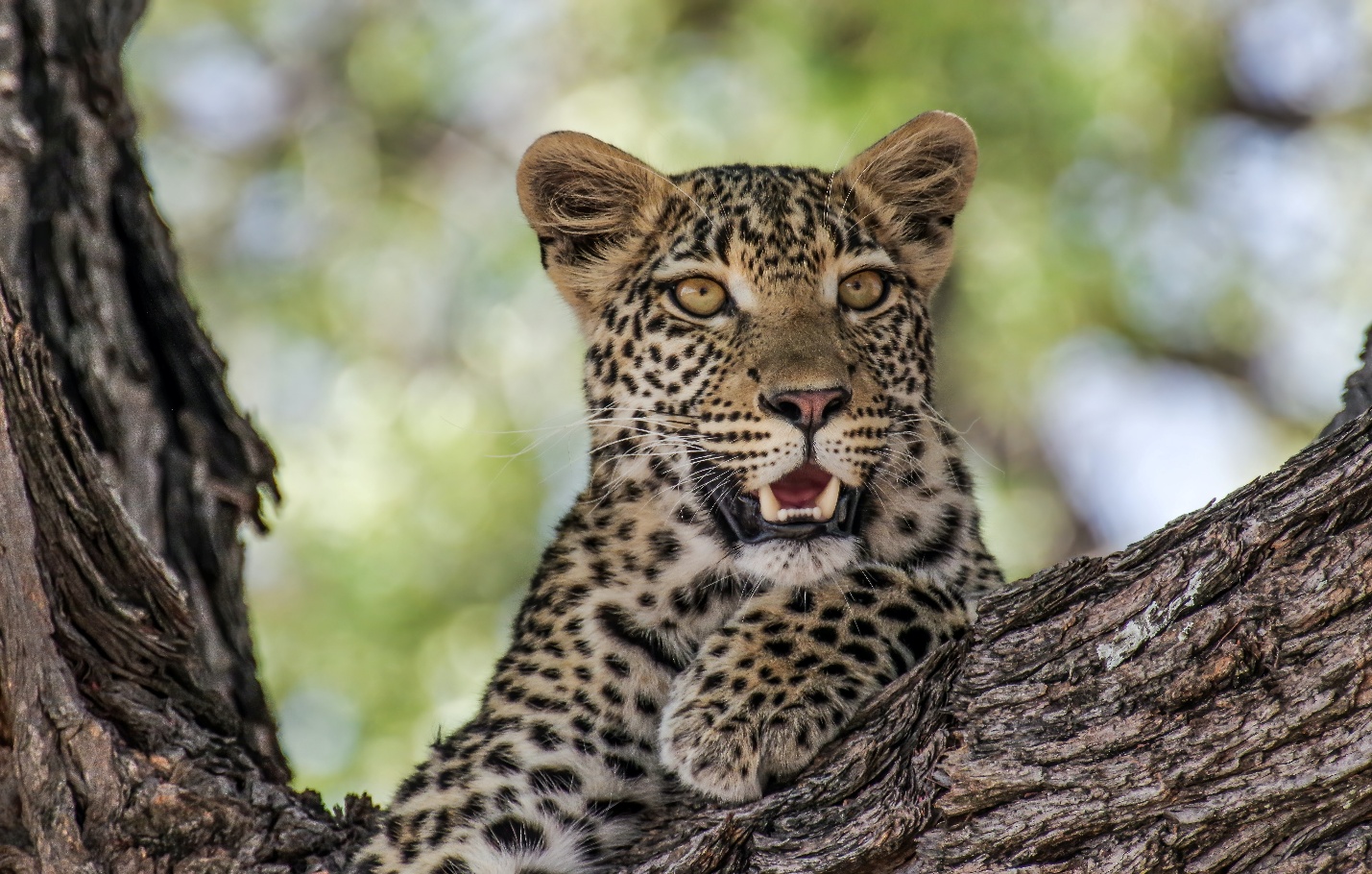
Predator activity reaches its peak during calving season, with lions, cheetahs, leopards, and hyenas taking advantage of the abundance. The drama unfolds daily as predators hunt while mothers fiercely protect their young. This creates unparalleled photographic opportunities and wildlife viewing experiences that define when to see Great Migration at its most intense.
April to June: Westward Movement Toward the Grumeti River
As the dry season approaches, the massive herds begin their westward journey toward the Grumeti River region. This phase of the migration showcases the animals’ remarkable instinct for survival as they follow ancient pathways in search of fresh grazing and water sources.
The movement during these months is less predictable than other phases, making it exciting for safari enthusiasts seeking authentic wilderness experiences. Herds spread across the western corridor of the Serengeti, creating opportunities to witness smaller groups and more intimate wildlife encounters. The landscape changes dramatically from the open plains to more wooded areas, offering diverse photographic backgrounds and varied ecosystem experiences.
River crossings begin during this period, though they’re typically smaller in scale compared to the famous Mara River crossings. The Grumeti River presents its own challenges, with large Nile crocodiles waiting patiently for their annual feast. These crossings provide thrilling wildlife photography opportunities and demonstrate the incredible determination of the migrating herds.
July to October: Northern Crossing Into the Masai Mara
The most famous phase of the Great Migration occurs when massive herds cross into Kenya’s Masai Mara. This northern migration represents the pinnacle of African wildlife migration experiences, drawing photographers and wildlife enthusiasts from around the world.
The Mara River crossings define this period, creating heart-stopping moments as hundreds of thousands of wildebeest and zebras plunge into crocodile-infested waters. The crossings are unpredictable, sometimes occurring multiple times per day or not at all for several days, adding excitement and anticipation to every safari game drive.
Best viewing locations during northern crossing:
- Masai Mara National Reserve (Kenya)
- Northern Serengeti (Tanzania)
- Grumeti Reserve
- Ikorongo and Lamai areas
The Masai Mara migration period offers the highest concentration of big cats, with numerous lion prides and leopards taking advantage of the abundant prey. Cheetah sightings increase significantly, and the famous Mara River provides dramatic backdrops for wildlife photography.
November to December: Return Journey South
The southern return journey marks the completion of the annual cycle as herds respond to the changing weather patterns and the promise of fresh grass in the southern Serengeti. Short rains typically begin in November, triggering the instinctual movement back toward calving grounds.
This phase of Serengeti migration timing is often overlooked by tourists, making it perfect for those seeking quieter wildlife experiences without compromising on spectacular sightings. The herds move through the eastern Serengeti, passing through areas like Namiri Plains and the central Seronera region.
November and December offer unique advantages for migration safari planning. Weather conditions are generally pleasant, with occasional refreshing showers, and wildlife is still concentrated but with fewer tourists. The landscape begins its transformation from dry season browns to lush greens, creating beautiful photographic conditions.
Migration locations during return journey:
- Central Serengeti (Seronera area)
- Eastern Serengeti corridors
- Namiri Plains
- Ndutu region preparation areas
The return journey sets the stage for the upcoming calving season, as pregnant females position themselves in nutrient-rich areas essential for successful births and early calf development.
Prime Locations for Witnessing the Migration

Serengeti National Park’s Strategic Viewing Areas
The Serengeti’s vast plains offer some of Africa’s most spectacular Great Migration safari experiences, with different regions providing unique vantage points throughout the year. The central Seronera Valley serves as the heart of year-round wildlife activity, where the Seronera River creates a permanent water source that attracts massive herds during the dry season from June to October.
The Western Corridor becomes the epicenter of drama during May and June when over a million wildebeest and zebras gather along the Grumeti River. This area offers front-row seats to the famous river crossings, where crocodiles lie in wait for the migrating herds. The Kirawira and Grumeti areas provide excellent game viewing during this period, with numerous camps strategically positioned for optimal wildlife photography.
The Northern Serengeti, particularly around Lamai and Mara River, transforms into a wildlife theater from July to September. Here, the massive herds make their most famous crossings, creating unforgettable spectacles. The Bologonja Springs area offers exceptional game viewing as herds concentrate around permanent water sources.
During the calving season from December to March, the Southern Serengeti plains come alive with newborn wildebeest. The short grass plains of the Ndutu area provide perfect conditions for birthing, attracting predators and creating incredible wildlife interactions.
Masai Mara Reserve’s River Crossing Points
The Masai Mara Reserve in Kenya hosts the most dramatic chapter of the Great Migration when massive herds cross the crocodile-infested Mara River. The main crossing points along the Mara River create natural amphitheaters where visitors can witness one of nature’s greatest spectacles.
The Paradise Crossing, located near the Mara Serena Safari Lodge, offers excellent accessibility and viewing angles. This crossing point typically sees the most consistent action between July and September when wildebeest migration reaches its peak intensity. The steep riverbanks create dramatic scenes as hundreds of thousands of animals plunge into the churning waters.
Double Crossing, situated in the northern section of the reserve, provides a more intimate viewing experience with fewer crowds. This location often sees multiple crossing attempts throughout the day, giving photographers and wildlife enthusiasts extended opportunities to capture the action.
The Talek River crossings, though smaller than the main Mara River events, offer equally thrilling experiences with better accessibility for ground-level photography. These crossings typically occur during August and early September, coinciding with the peak Kenya Tanzania migration period.
Sand River and its various crossing points become crucial during drier years when water levels drop significantly. The lower water levels create different dynamics, often resulting in more concentrated animal movements and increased predator activity along the riverbanks.
Ngorongoro Conservation Area’s Calving Grounds
The Ngorongoro Conservation Area transforms into a nursery for the Great Migration during the calving season from December through March. The nutrient-rich short grass plains provide perfect conditions for pregnant wildebeest to give birth, creating one of the migration’s most heartwarming chapters.
The Ndutu region, straddling the border between the Ngorongoro Conservation Area and Serengeti, becomes the focal point of calving activity. Lake Ndutu and the surrounding alkaline lakes create a mineral-rich environment essential for lactating mothers and growing calves. The area’s short grass plains offer excellent visibility for spotting newborns and their mothers.
Lake Masek area provides exceptional wildlife photography opportunities during calving season. The permanent water source attracts not only the migrating herds but also the predators that follow them. Lions, leopards, and cheetahs concentrate in this region, taking advantage of vulnerable newborns.
The Gol Kopjes, a series of rocky outcrops scattered across the plains, serve as vantage points for both predators and safari-goers. These granite formations provide elevated viewing positions where visitors can observe the vast herds spread across the landscape during the best time to witness the Great Migration’s birthing spectacle.
Olduvai Gorge region offers a unique combination of archaeological significance and wildlife viewing. During calving season, the area surrounding this famous paleontological site becomes a temporary home for thousands of wildebeest families, creating opportunities to witness both natural history and prehistoric discoveries in a single location.
Optimal Timing for Different Migration Experiences

Best months for witnessing dramatic river crossings
The most spectacular river crossings happen during July through October when massive herds face the treacherous waters of the Mara River. July typically marks the beginning of these heart-stopping events as wildebeest and zebras push northward into the Masai Mara. The crossing intensity peaks in August and September, offering visitors the highest chances of witnessing multiple crossings per day.
River conditions play a crucial role in crossing frequency. During dry spells, herds may cross back and forth multiple times as they search for fresh grazing, creating incredible opportunities for photographers and wildlife enthusiasts. The unpredictable nature of these crossings means patience is essential – herds can gather at riverbanks for hours or even days before making their move.
Peak season for observing newborn calves
February through March represents calving season in the southern Serengeti, when approximately 400,000 wildebeest calves are born within a concentrated three-week period. This remarkable synchronization creates an extraordinary wildlife spectacle as the Ndutu area transforms into a massive nursery.
During this Great Migration best time, the short grass plains provide perfect conditions for observing mother-calf interactions. The abundance of newborns also attracts predators, making it an ideal period for witnessing the complete ecosystem in action. Early morning game drives offer the best chances of seeing births, as many calves are born during cooler hours.
Ideal timing for predator-prey interactions
Predator activity intensifies during calving season (February-March) and river crossing periods (July-October). The vulnerability of newborn calves attracts lions, leopards, cheetahs, and hyenas to the southern plains during early months. Crocodiles become particularly active during river crossings, positioning themselves strategically at traditional crossing points.
The concentration of prey during these periods creates dramatic hunting scenarios. Cheetahs thrive on the open plains during calving season, while lions form large prides to take advantage of abundant food sources. Pack hunters like wild dogs become more visible as they follow the herds throughout their Serengeti migration timing.
Weather considerations that affect animal movement
Rainfall patterns directly influence migration timing and routes. The short rains (November-December) trigger the southward movement toward the Ndutu region, while the long rains (March-May) eventually push herds northward. Drought conditions can alter traditional patterns, causing earlier or delayed movements.
Wind patterns affect river crossing behavior, as animals often wait for calmer conditions. Temperature variations influence daily activity levels – cooler mornings and late afternoons see increased movement, while midday heat causes herds to seek shade and rest.
| Month | Weather Pattern | Migration Phase | Wildlife Activity |
| Feb-Mar | Dry, warm | Southern plains/calving | High predator activity |
| Jul-Aug | Cool, dry | River crossings | Peak crossing drama |
| Nov-Dec | Short rains | Southward movement | Active migration |
Planning Your Great Migration Safari

Choosing between mobile camps and permanent lodges
Your Great Migration safari accommodation choice dramatically shapes your viewing experience. Mobile camps follow the herds throughout their journey, positioning you right in the heart of the action. These seasonal camps pack up and relocate based on wildlife movements, ensuring you wake up mere minutes from massive herds. The trade-off comes with more basic amenities and higher prices, but the proximity to migration action makes it worthwhile for serious wildlife enthusiasts.
Permanent lodges offer luxury amenities like spa services, fine dining, and spacious suites, but you’ll need to drive further to reach the herds. Many established lodges in prime locations like the Serengeti’s central region provide excellent year-round game viewing even when the migration isn’t nearby. This option works well for families or travelers seeking comfort alongside their Great Migration safari experience.
Budget considerations for different seasons
Peak migration season pricing varies dramatically across the year. July through September commands premium rates as this period offers the spectacular river crossings everyone wants to witness. Expect to pay 40-60% more during these months compared to shoulder seasons.
November through March presents excellent value for Great Migration safari planning. You’ll witness calving season in the southern Serengeti with dramatically fewer crowds and reduced accommodation costs. April and May offer the lowest prices but come with unpredictable weather patterns.
| Season | Price Level | Migration Activity | Weather |
| Jan-Mar | Medium | Calving season | Hot, occasional rain |
| Apr-May | Low | Southern movement | Rainy season |
| Jun-Aug | High | River crossings | Dry, cool |
| Sep-Nov | Medium | Southern return | Variable |
Essential gear and preparation tips
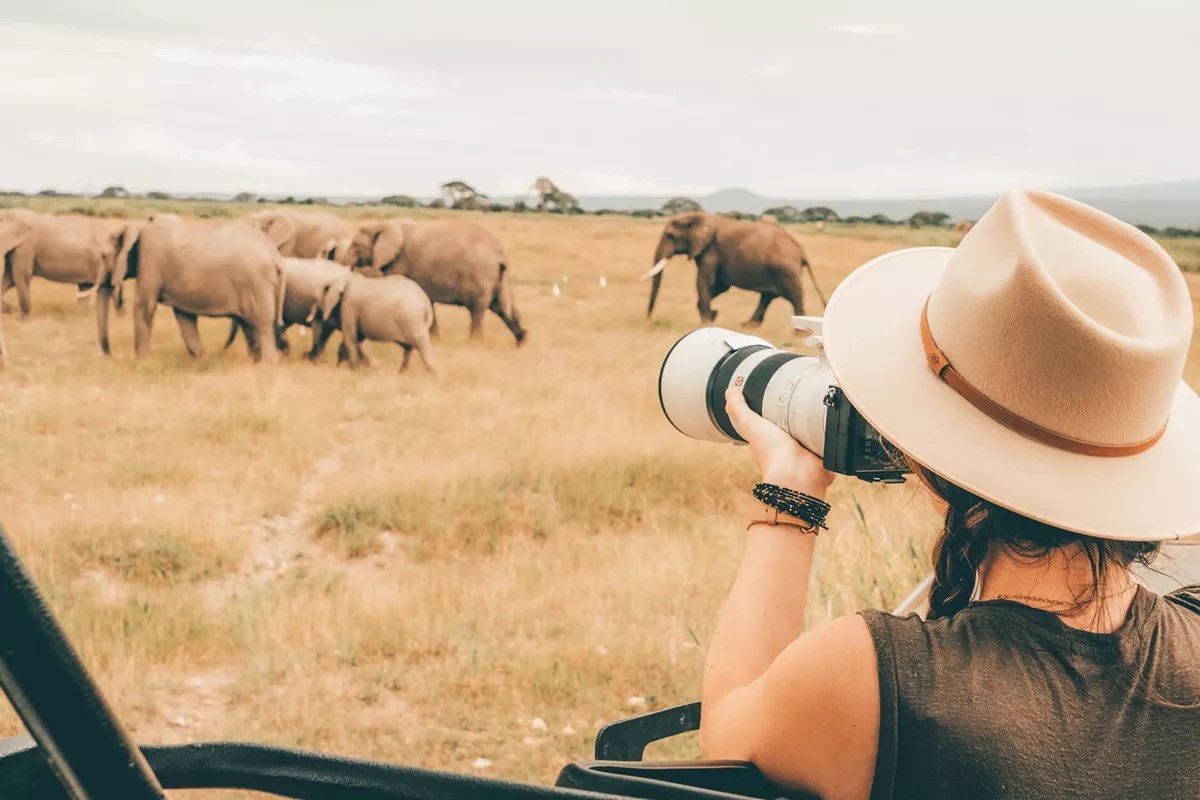
Packing smart makes or breaks your migration experience. Binoculars rank as your most crucial piece of equipment – invest in quality 8×42 or 10×42 models for crystal-clear wildlife viewing from safari vehicles. A camera with telephoto lens capabilities captures those once-in-a-lifetime crossing moments, though remember to experience some moments without looking through a viewfinder.
Clothing strategy focuses on layers and earth tones. Morning game drives start chilly, warming up quickly as the sun rises. Pack lightweight, breathable fabrics in khaki, olive, or brown shades that won’t spook animals. Avoid bright colors and camouflage patterns (some countries prohibit military-style clothing).
Personal care items include high-SPF sunscreen, insect repellent with DEET, and any prescription medications plus extras. Many safari locations have limited medical facilities, so bring a basic first-aid kit and stomach remedies for dietary adjustments.
Booking timelines for securing prime viewing spots
Securing prime Great Migration safari spots requires advance planning, especially for peak river crossing season. Book 12-18 months ahead for July through September departures to guarantee your preferred accommodations and guides. Popular mobile camps sell out quickly, sometimes within hours of opening their booking windows.
Shoulder season bookings (January-March, October-December) allow more flexibility with 6-9 months advance notice typically sufficient. Last-minute deals occasionally surface, but you risk missing out on the specific Masai Mara migration or Serengeti locations you’ve dreamed of visiting.
Consider booking through specialized safari operators who maintain relationships with multiple camps and can pivot if weather or herd movements shift unexpectedly. These professionals monitor migration patterns year-round and adjust itineraries to maximize your wildlife encounters.

The Great Migration stands as one of nature’s most spectacular shows, with over two million animals moving across the Serengeti-Mara ecosystem year-round. From river crossings that leave you holding your breath to endless herds stretching to the horizon, this natural phenomenon offers unforgettable experiences no matter when you visit. The key is matching your timing with what you most want to see – calving season brings adorable baby animals and dramatic predator action, while river crossings deliver pure adrenaline.
Don’t wait for the “perfect” moment that might never come. Each season brings its own magic, and understanding the migration patterns helps you make the best choice for your dreams and budget. Start planning your safari now by deciding which aspect of the migration excites you most, then work backward to find your ideal travel dates. The wildebeest won’t wait, and neither should you.