









Destinations & Experiences
Tanzania vs Kenya: Which Safari Destination Is Best for First-Time Travelers?
Tanzania vs Kenya: Which Safari Destination Is Best for First-Time Travelers?
Choosing between Tanzania and Kenya for your first African safari can feel overwhelming. Both East African countries offer incredible wildlife experiences, but each has distinct advantages for first-time safari travelers.
This guide is designed for safari beginners who want to make an informed decision about their debut African adventure. We’ll help you understand which destination aligns better with your budget, expectations, and travel style.
We’ll break down the essential cost comparison East Africa travelers need to consider, from park fees to accommodation options. You’ll also discover how the famous Serengeti vs Masai Mara matchup plays out for newcomers, plus which safari parks for first timers offer the most rewarding wildlife viewing opportunities. Finally, we’ll cover the practical safari planning details that can make or break your trip, including infrastructure differences and beginner-friendly logistics in both countries.
Key Differences Between Tanzania and Kenya Safari Experiences

Wildlife Diversity and Viewing Opportunities
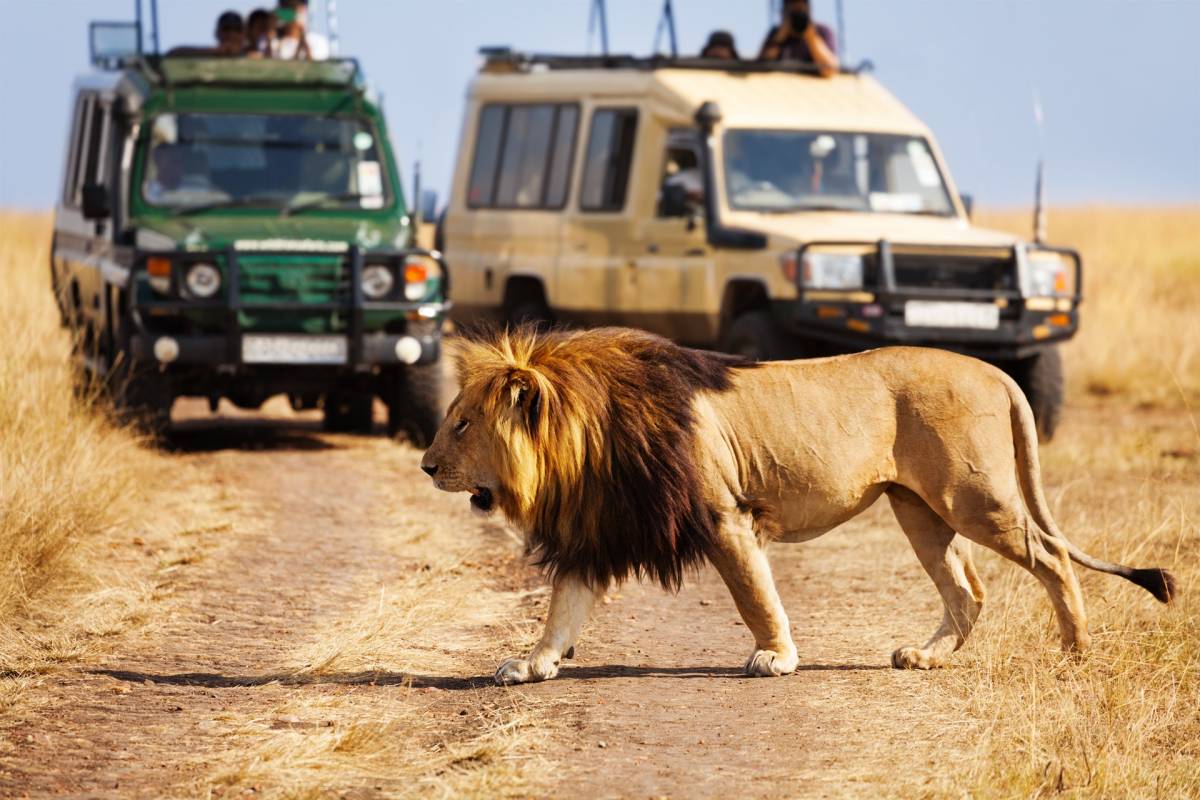
Both Tanzania and Kenya deliver incredible wildlife experiences, but each country offers distinct advantages for safari beginners. Kenya’s compact park system means you can see the Big Five more easily within shorter timeframes, making it perfect for first-time visitors on limited schedules. The Masai Mara provides consistently excellent wildlife viewing year-round, with lions, leopards, and cheetahs regularly spotted.
Tanzania takes a different approach with its vast wilderness areas. The Serengeti spans 14,750 square kilometers, offering more remote and authentic safari experiences. Ngorongoro Crater serves as a natural wildlife amphitheater where beginners can spot rhinos, elephants, and massive lion prides in a single day. Tanzania also provides unique wildlife encounters you won’t find in Kenya, including tree-climbing lions in Lake Manyara and enormous elephant herds in Tarangire.
| Aspect | Kenya | Tanzania |
| Big Five viewing | Excellent in compact areas | Excellent in vast landscapes |
| Unique species | Rothschild’s giraffe | Tree-climbing lions |
| Predator density | High in Masai Mara | High in Serengeti |
| Rhino sightings | Ol Pejeta Conservancy | Ngorongoro Crater |
Park Accessibility and Infrastructure Quality
Kenya wins hands-down for safari accessibility, especially for beginners nervous about African travel logistics. Most Kenyan parks sit within a few hours’ drive from Nairobi, and the road infrastructure connecting major reserves is well-maintained. You can easily combine multiple parks in a single trip without extensive planning.
Tanzania requires more patience and planning. While parks like Arusha and Tarangire are easily accessible from the main tourism hub of Arusha, reaching the Serengeti involves longer drives on rougher roads. However, this extra effort pays off with fewer crowds and more pristine wilderness experiences.
Both countries offer excellent lodge and camp options, but Kenya provides more budget-friendly accommodations near parks. Tanzania’s lodges tend to be more expensive but often deliver higher luxury standards and more exclusive locations.
Seasonal Migration Patterns and Timing
The Great Migration creates the biggest difference between these two safari destinations. This natural phenomenon involves over 1.5 million wildebeest and hundreds of thousands of zebras moving between Tanzania’s Serengeti and Kenya’s Masai Mara.
Best Migration Timing:
- July-October: River crossings in Kenya’s Masai Mara
- December-March: Calving season in Tanzania’s Serengeti
- April-June: Herds moving north through Tanzania
Kenya offers the dramatic river crossings that feature in most wildlife documentaries, making it perfect for first-timers wanting that iconic safari moment. Tanzania provides the calving season spectacle, where you’ll witness thousands of baby animals taking their first steps.
Outside migration periods, both countries maintain excellent wildlife viewing, so beginners shouldn’t worry about timing their entire trip around these patterns.
Cultural Experiences and Local Communities
Both destinations excel at combining wildlife viewing with authentic cultural encounters, but they offer different approaches. Kenya’s cultural experiences often feel more accessible to beginners, with well-organized Maasai village visits and cultural centers near major parks.
Tanzania provides deeper, more immersive cultural experiences. You can visit Maasai communities in the Ngorongoro Conservation Area, where traditional lifestyles continue alongside wildlife conservation. The Hadzabe people near Lake Eyasi offer unique hunter-gatherer experiences that few other destinations can match.
Kenya’s cultural sites include the Karen Blixen Museum and Giraffe Centre near Nairobi, perfect for easing into African culture before heading into the wilderness. Tanzania’s Stone Town in Zanzibar provides rich Swahili culture and history, though it requires additional travel time from mainland safari circuits.
Cost Comparison for First-Time Safari Travelers

Budget-friendly accommodation options in each country
Kenya offers a wider range of budget safari accommodations compared to Tanzania, making it particularly attractive for first-time safari travelers watching their spending. In Kenya’s Masai Mara, you’ll find numerous mid-range camps and lodges starting around $150-250 per person per night, with basic tented camps available from $80-120. The country’s well-established tourism infrastructure means more competition among providers, driving down prices for budget-conscious visitors.
Tanzania’s accommodation costs run significantly higher, especially around the famous Serengeti and Ngorongoro Crater. Budget options in these prime areas start around $200-300 per person per night, with luxury lodges commanding $500-1000+. However, Tanzania does offer some relief in lesser-known parks like Ruaha or Mikumi, where decent accommodations can be found for $100-180 per night.
Both countries provide camping options for the most budget-minded travelers, with public campsites in Kenya costing $20-30 per person and Tanzania’s sites running $30-50. Private campsites with better facilities typically cost $40-80 in Kenya and $60-100 in Tanzania.
For first-time safari travelers seeking comfort without breaking the bank, Kenya’s accommodation landscape provides more flexibility and options across different price points.
Transportation and internal flight expenses
Getting around on safari presents different cost structures between these East African destinations. Kenya’s compact geography works in favor of budget-conscious travelers, with shorter driving distances between major parks. A typical safari circuit covering Masai Mara, Amboseli, and Tsavo can be completed entirely by road, with fuel and vehicle costs averaging $50-80 per day for a shared 4WD safari vehicle.
Tanzania’s vast distances often necessitate internal flights to maximize wildlife viewing time. Flying from Arusha to Serengeti costs $150-300 per person one-way, while reaching remote parks like Ruaha or Katavi requires flights costing $300-500. Road transfers between Tanzania’s northern circuit parks (Serengeti, Ngorongoro, Tarangire) take considerably longer than Kenya’s routes, adding extra days and costs to your safari.
Both countries charge similar rates for safari vehicle rentals, around $100-150 per day for a basic 4WD with driver-guide. However, Kenya’s road network between parks is generally better maintained, reducing travel time and fuel consumption.
For first-time safari travelers on a tight budget, Kenya’s shorter distances and better road connectivity translate to lower transportation costs, while Tanzania often requires strategic flight bookings to avoid spending entire days driving.
Park fees and permit costs
Park entrance fees represent a significant portion of any safari budget, and the Tanzania vs Kenya safari cost comparison reveals notable differences. Kenya’s park fees are more straightforward and generally lower for international visitors. Most Kenya parks charge $60-80 per adult per day, with the Masai Mara being slightly higher at around $80-100 due to its popularity and conservancy fees.
Tanzania’s park fees are considerably steeper, particularly for its flagship destinations. Serengeti National Park charges $71 per adult per day, while the Ngorongoro Crater commands $71 plus an additional crater service fee of $295 per vehicle. These fees add up quickly for first-time safari travelers trying to experience Tanzania’s most famous wildlife areas.
| Park System | Daily Fee (Adult) | Special Fees |
| Kenya National Parks | $60-80 | Conservancy fees $20-40 |
| Masai Mara | $80-100 | Community fees included |
| Serengeti | $71 | None |
| Ngorongoro Crater | $71 | Crater fee $295/vehicle |
Both countries offer East Africa safari planning packages that can help reduce per-day costs when visiting multiple parks. Kenya’s community conservancies around Masai Mara charge additional fees ($20-40 per person per day) but often provide more intimate wildlife experiences.
For beginner safari guide budgets, Kenya’s more predictable fee structure and lower overall costs make financial planning easier for first-time African safari adventures.
Best Wildlife Parks and Reserves for Beginners

Tanzania’s top first-timer destinations
The Serengeti National Park stands out as Tanzania’s crown jewel for beginner safari travelers. This iconic destination offers year-round wildlife viewing, making it perfect for first-time visitors who want guaranteed animal sightings. The endless plains provide unobstructed views of the Big Five, while the annual Great Migration between July and October creates one of nature’s most spectacular shows. The park’s excellent infrastructure includes comfortable lodges and camps suitable for various budgets.
Ngorongoro Crater ranks as another must-visit location for safari newcomers. This UNESCO World Heritage Site functions like a natural zoo, with its crater walls containing an incredible concentration of wildlife in a relatively small area. First-time safari-goers appreciate the high probability of spotting all Big Five animals in a single day. The crater’s unique ecosystem supports over 25,000 large animals, including the rare black rhino.
Tarangire National Park offers a more intimate safari experience perfect for beginners seeking fewer crowds. Famous for its massive elephant herds and distinctive baobab trees, this park provides excellent photography opportunities. The Tarangire River attracts diverse wildlife during dry seasons, creating predictable game viewing that first-timers find reassuring.
Kenya’s most accessible safari locations
Masai Mara National Reserve leads Kenya’s safari destinations for first-time travelers. Its proximity to Nairobi (just 5-6 hours by road) makes it highly accessible, while the abundance of wildlife ensures memorable encounters. The reserve’s open savannas mirror the classic African safari imagery that beginners expect, featuring lions, cheetahs, and leopards alongside massive herds of wildebeest and zebras.
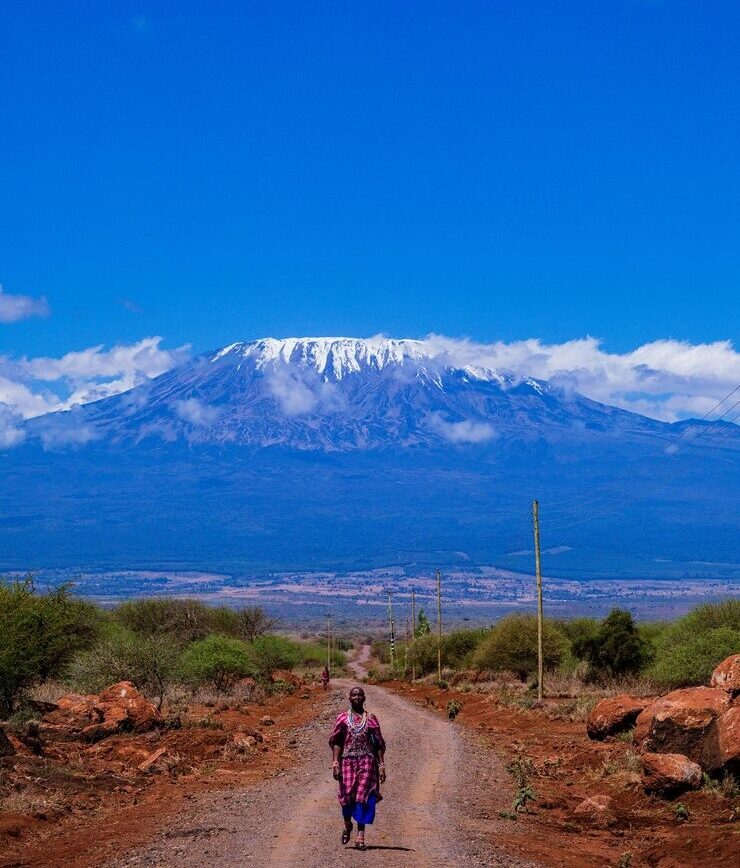
Amboseli National Park provides an ideal introduction to Kenya Tanzania safari comparison experiences. The park’s compact size allows first-timers to see diverse wildlife without extensive travel between locations. Mount Kilimanjaro’s backdrop creates stunning photographic opportunities, while the park’s elephant research center offers educational experiences that enhance understanding of wildlife conservation.
Lake Nakuru National Park caters perfectly to beginner safari expectations with its manageable size and diverse ecosystems. The park combines flamingo spectacles with Big Four viewing opportunities (excluding elephants). Its fenced boundaries create higher wildlife densities, increasing sighting probabilities that first-time visitors appreciate.
Unique wildlife encounters in each country
Tanzania delivers exclusive experiences through the Great Migration, where over 1.5 million wildebeest traverse the Serengeti ecosystem. This natural phenomenon, unavailable elsewhere, provides first-timers with unforgettable memories of river crossings and predator-prey interactions. Tanzania also offers unique opportunities to see tree-climbing lions in Lake Manyara and visit Olduvai Gorge, known as the “Cradle of Mankind.”
Kenya specializes in different remarkable encounters, particularly the Masai Mara river crossings during migration season. The country’s conservancies provide exclusive game drives and walking safaris that Tanzania’s national parks typically don’t allow. Kenya’s cultural interactions with Maasai communities offer authentic experiences that complement wildlife viewing.
Both countries provide excellent safari parks for first timers, but their unique characteristics cater to different preferences. Tanzania emphasizes pristine wilderness experiences with fewer crowds, while Kenya offers more accessible locations with excellent infrastructure and cultural components that enhance the overall safari experience for newcomers.
Practical Considerations for Safari Planning

Visa Requirements and Entry Procedures
Tanzania and Kenya both offer straightforward visa processes that make them beginner-friendly safari destinations. For most travelers, getting a visa is refreshingly simple compared to other African countries.
Kenya provides an electronic visa system (eVisa) that you can apply for online before your trip. The process typically takes 2-7 business days and costs around $51 for most nationalities. You can also get a visa on arrival at major airports, though the eVisa saves time at immigration.
Tanzania offers both eVisa applications and visa-on-arrival options. The eVisa costs approximately $50-$100 depending on your nationality and takes 10-15 business days to process. At the airport, you can get a single-entry visa for the same price, but expect longer queues during peak safari season.
Both countries require your passport to be valid for at least six months from your entry date. If you’re planning to visit both destinations in one trip, consider getting the East Africa Tourist Visa for $100, which covers Kenya, Tanzania, and Uganda for 90 days.
Health Precautions and Vaccination Needs
Yellow fever vaccination is mandatory for both countries if you’re arriving from a yellow fever endemic area. While it’s not required for direct flights from Europe or North America, carrying your vaccination certificate prevents any hassles at immigration.
Malaria prevention deserves serious attention when planning your Tanzania vs Kenya safari adventure. Both countries have malaria risk in safari areas, so consult your doctor about antimalarial medication 4-6 weeks before departure. Popular options include Malarone, doxycycline, or mefloquine.
Pack a comprehensive first-aid kit with basic medications, bandages, antiseptic wipes, and any prescription drugs you need. Include rehydration salts, anti-diarrheal medication, and pain relievers. Most safari lodges have basic medical supplies, but remote locations might be hours from proper medical facilities.
Consider travel insurance that covers medical evacuation – this is non-negotiable for safari travel. Many policies specifically exclude adventure activities, so read the fine print carefully.
Best Time to Visit for Optimal Wildlife Viewing
Timing can make or break your first safari experience, and both countries offer distinct seasonal advantages.
Kenya’s peak season runs from July to October during the Great Migration river crossings at Masai Mara. Wildlife viewing is spectacular, but expect crowds and higher prices. The dry season (June to October) offers excellent game viewing as animals gather around water sources.
Tanzania’s dry season (June to October) provides outstanding wildlife viewing in Serengeti and Ngorongoro Crater. The calving season (January to March) in southern Serengeti offers incredible predator action as over 400,000 wildebeest calves are born.
For first-time safari travelers seeking the best value, consider the shoulder seasons:
- May to June: Fewer crowds, lower prices, lush landscapes
- November to December: Short rains season with great game viewing and reduced costs
Both destinations offer year-round wildlife viewing, but the dry months guarantee easier animal spotting and better road conditions.
Language Barriers and Communication Ease
English is widely spoken in both Kenya and Tanzania, making them exceptionally beginner-friendly safari destinations compared to other African countries where French or Portuguese dominate.
Kenya has a slight advantage for English speakers since English is more commonly used in tourism services, restaurants, and hotels. Most safari guides, lodge staff, and tour operators speak fluent English, often with excellent communication skills developed through extensive tourism experience.
Tanzania uses English as an official language alongside Swahili, and you’ll find most tourism professionals speak good English. However, in more remote areas or local markets, Swahili becomes more prevalent. Learning basic Swahili greetings like “Jambo” (hello) and “Asante” (thank you) enhances your cultural experience in both countries.
Safari guides in both destinations typically speak multiple languages including English, German, French, and Italian to accommodate international visitors. Many guides are certified and undergo regular training, ensuring clear communication during game drives and cultural interactions.
Mobile phone coverage is reliable in most safari areas of both countries, and many lodges offer WiFi, though speeds vary significantly in remote locations.
Safari Infrastructure and Tourist Support

Guide Quality and Expertise Levels
Both Tanzania and Kenya boast exceptional safari guides, but they differ in training standards and specializations. Kenya’s Kenya Professional Safari Guides Association (KPSGA) maintains rigorous certification programs, producing guides with deep wildlife knowledge and excellent English communication skills. Many Kenyan guides specialize in specific regions like the Masai Mara, offering intimate knowledge of animal behavior patterns and seasonal movements.
Tanzania’s guides receive certification through the Tanzania Association of Tour Operators (TATO) and often possess remarkable tracking abilities and cultural insights. Tanzanian guides excel at spotting elusive animals in diverse landscapes, from the Serengeti’s vast plains to Ngorongoro’s crater floor. Their multilingual capabilities often include Swahili, English, and local tribal languages.
For first time safari Africa travelers, both destinations provide excellent guide quality, though Kenya slightly edges ahead in standardized training consistency. Private conservancies in Kenya typically feature more experienced guides with smaller group sizes, while Tanzania’s guides shine in cultural storytelling and bush craft skills.
| Aspect | Kenya | Tanzania |
| Certification Standard | KPSGA (Highly Standardized) | TATO (Good Standards) |
| Language Skills | Excellent English | Good English, Strong Swahili |
| Specialization | Regional expertise | Cultural integration |
| Group Sizes | Often smaller in conservancies | Variable by operator |
Medical Facilities and Emergency Services
Kenya maintains superior medical infrastructure compared to Tanzania, making it more suitable for beginner safari guide considerations. Nairobi houses world-class hospitals like Aga Khan Hospital and Nairobi Hospital, both accredited internationally. Emergency evacuation services operate efficiently from major parks, with AMREF Flying Doctors providing rapid response helicopter services throughout Kenya’s safari circuits.
Most Kenyan safari lodges maintain radio contact with medical facilities, and many employ qualified nurses or paramedics on-site. The Masai Mara region features several airstrips enabling quick medical evacuations to Nairobi within 45 minutes.
Tanzania’s medical facilities are adequate but less developed outside major cities. Arusha serves as the primary medical hub for northern circuit safaris, offering decent hospital care at facilities like Mount Meru Hospital. Emergency evacuations from remote areas like the Serengeti can take longer due to distance and infrastructure limitations.
Safari lodges in both countries stock basic medical supplies and maintain communication systems for emergencies. However, travelers with serious medical conditions should consider Kenya’s more robust healthcare infrastructure when planning their Tanzania vs Kenya safari experience.
Internet Connectivity and Communication Access
Digital connectivity varies dramatically between destinations and specific locations. Kenya leads in mobile network coverage and internet reliability across safari areas. Major operators like Safaricom provide 4G coverage in popular destinations including Masai Mara, Amboseli, and Tsavo. Most Kenyan safari lodges offer WiFi, though speeds may be limited during peak hours.
Tanzania’s connectivity has improved significantly but remains inconsistent in remote areas. The Serengeti’s central regions often lack reliable cell coverage, while northern areas near Arusha maintain better connectivity. Zanzibar and coastal regions generally provide excellent internet access.
Satellite communication systems serve as backup options in both countries, particularly in luxury lodges and tented camps. Many operators now provide WhatsApp connectivity packages, allowing guests to share experiences with family back home.
East Africa safari planning should account for limited connectivity in wilderness areas. Both countries offer communication solutions through lodge management, but expecting consistent internet access throughout remote safari circuits remains unrealistic. Kenya provides more reliable connectivity overall, making it slightly more convenient for first-time travelers who need regular communication access.

Both Tanzania and Kenya offer incredible safari adventures, but your choice comes down to what matters most to you as a first-time traveler. Kenya tends to be more budget-friendly with better infrastructure and easier logistics, making it perfect if you want a smoother, more accessible experience. Tanzania offers more pristine wilderness and fewer crowds, especially in places like the Serengeti, but comes with higher costs and more complex planning requirements.
For your first safari, consider Kenya if you’re working with a tighter budget or prefer well-established tourist support systems. Choose Tanzania if you’re willing to invest more for a wilder, more exclusive experience. Either way, book with a reputable local operator who can handle the logistics and help you make the most of your African adventure. Both countries will give you memories that last a lifetime – the key is picking the one that matches your travel style and expectations.