









Adventure Highlights & Add-On Experiences
Safari Seasons Explained: What to Expect in Dry vs Green Season
Safari Seasons Explained: What to Expect in Dry vs Green Season
Planning an African safari means choosing between two dramatically different experiences: dry season and green season safaris. This decision affects everything from wildlife sightings to photography opportunities and costs.
This guide is for travelers researching their first African safari or seasoned safari-goers wanting to explore a different season. We’ll break down what makes each season unique and help you pick the perfect time for your adventure.
You’ll discover the key differences between dry season’s concentrated wildlife viewing and green season’s lush landscapes, learn what to expect for wildlife behavior and weather patterns during each period, and get practical tips for choosing the right season based on your safari goals and budget.
The dry season delivers the classic safari experience most people imagine, while the green season offers Africa’s best-kept secret with fewer crowds and stunning scenery. Both have their magic – it just depends on what kind of safari story you want to tell.
Understanding Safari Seasons: Key Differences Between Dry and Green Periods

Wildlife concentration patterns around water sources
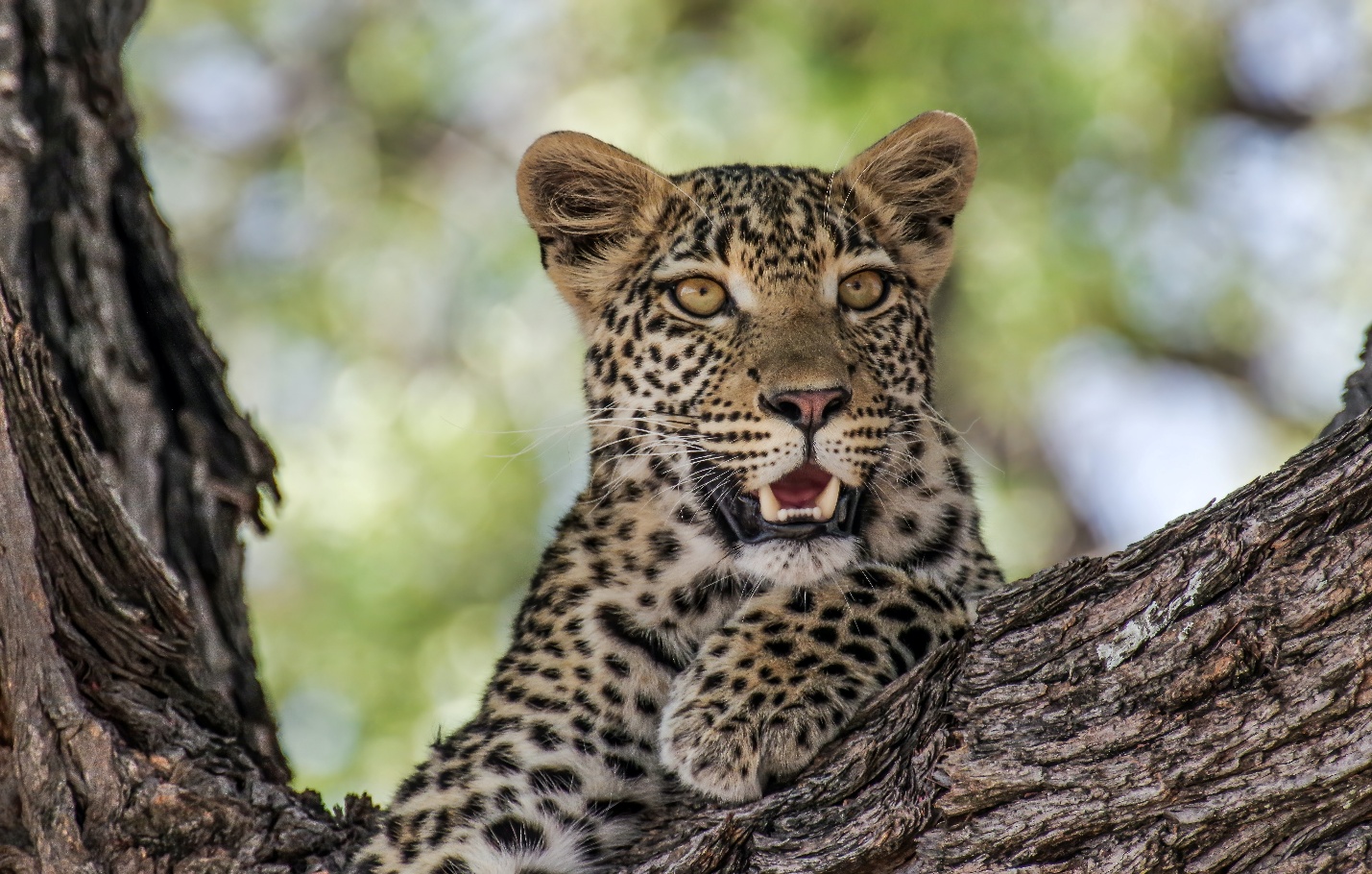
During the dry season, wildlife concentration patterns shift dramatically as animals gather near limited water sources, creating exceptional opportunities for safari enthusiasts. This natural phenomenon makes animals significantly easier to spot, as elephants, lions, leopards, and countless other species converge around rivers, waterholes, and permanent water bodies. The scarcity of water during these months forces wildlife to follow predictable patterns, concentrating their movements around these vital resources.
In contrast, the green season presents a completely different wildlife distribution scenario. When waterholes and rivers fill up across the landscape, animals gain the freedom to spread throughout their territories. This dispersion means wildlife viewing becomes less predictable, as animals no longer need to congregate around specific water sources for survival.
Vegetation density and visibility factors
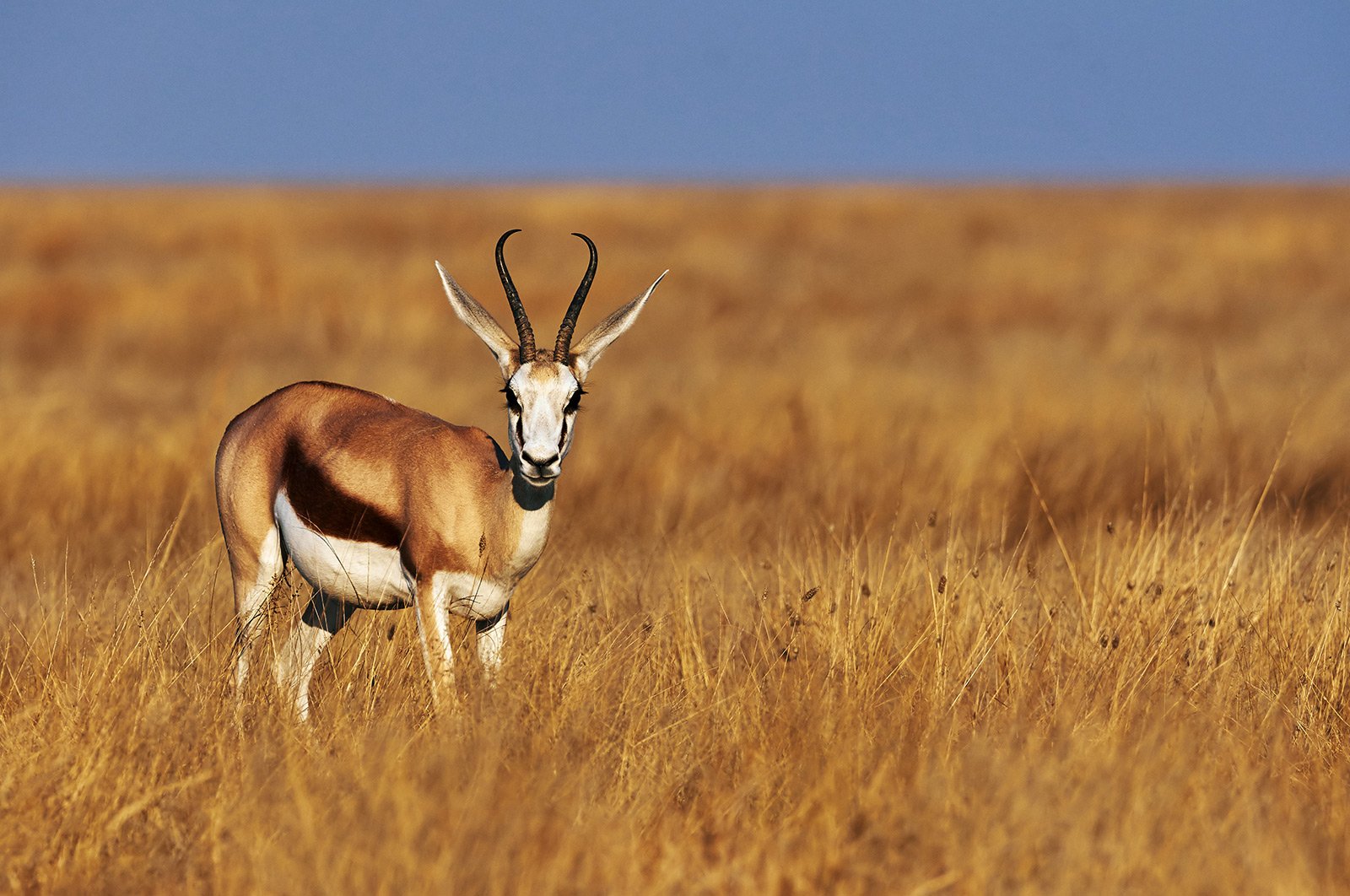
The dry season safari experience is characterized by exceptional visibility across the African landscape. With the lack of vegetation creating barren plains and open savannas, wildlife spotting becomes remarkably easier for both guides and visitors. This sparse vegetation cover allows for unobstructed views across vast distances, making it ideal for photography and wildlife observation.
The green season brings a complete transformation of the savanna ecosystem. New vegetation emerges, converting the dry landscape into lush grasslands adorned with colorful wildflowers. While this creates a stunning visual spectacle, the increased vegetation density can reduce visibility and make wildlife spotting more challenging.
Climate variations and weather conditions
Climate conditions during safari seasons offer distinctly different experiences. The dry season climate delivers generally pleasant weather conditions, featuring mild days and cooler evenings with lower humidity levels. These comfortable temperatures are accompanied by fewer insects, creating more enjoyable game drives and outdoor activities.
The green season falls between or after the rainy periods, presenting rain-washed air and dramatic sky formations that create spectacular photographic opportunities. While this season offers unique atmospheric conditions, the climate variations can be more unpredictable compared to the stable dry season weather patterns.
Tourist crowds and pricing differences
When planning your African safari seasons experience, understanding tourist patterns and pricing becomes crucial for safari planning guide considerations. The dry season typically experiences larger tourist crowds as it coincides with peak travel periods when weather conditions are most favorable. This increased demand often results in potentially higher prices for accommodations, flights, and safari packages.
The green season attracts fewer visitors, offering a more intimate wildlife experience with better deals on safari packages. This period provides excellent value for travelers seeking authentic African safari experiences without the crowds, making it an attractive option for budget-conscious adventurers who don’t mind the trade-offs in wildlife viewing predictability.
Dry Season Safari Benefits: Why Peak Season Delivers Premium Wildlife Viewing

Concentrated wildlife gathering at limited water sources
During the dry season, wildlife viewing reaches its peak effectiveness as animals congregate around the scarce remaining water sources. With seasonal rivers dried up and temporary water holes evaporated, elephants, lions, leopards, and countless herbivores are forced to gather at permanent rivers, lakes, and waterholes. This natural phenomenon creates unprecedented opportunities for wildlife enthusiasts, as animal sightings become significantly more frequent and predictable. Safari guides can strategically position vehicles near these vital water sources, virtually guaranteeing encounters with diverse species throughout the day. The concentrated wildlife activity transforms these areas into natural theaters where dramatic interactions unfold – from predator-prey dynamics to territorial disputes among competing species.
Clear visibility across open savannas and plains
The dry season safari benefits extend beyond wildlife concentration to include exceptional viewing conditions across Africa’s iconic landscapes. With vegetation sparse and grasses shortened, the open savannas and plains offer unobstructed visibility that stretches for miles in every direction. This clear sightline advantage allows safari-goers to spot animals from considerable distances, making it easier to track movement patterns and anticipate wildlife behavior. The reduced foliage eliminates visual barriers that typically obscure animals during other seasons, ensuring that even the most elusive species become more visible against the golden backdrop of the dry African wilderness.
Pleasant climate with mild temperatures and low humidity
The dry season delivers notably pleasant climate conditions that enhance the overall safari experience significantly. Daytime temperatures remain mild and comfortable, avoiding the oppressive heat that can make extended game drives challenging. Evenings bring refreshingly cooler temperatures, creating ideal conditions for both wildlife activity and human comfort. The lower humidity levels characteristic of this period contribute substantially to the agreeable atmosphere, allowing visitors to enjoy longer periods outdoors without the discomfort associated with tropical moisture. These favorable weather conditions make the dry season particularly appealing for wildlife viewing dry season enthusiasts seeking optimal safari planning guide recommendations.
Reduced insect activity for comfortable game drives
Lower humidity levels during the dry season create an additional benefit through significantly reduced insect activity. The decreased presence of mosquitoes, tsetse flies, and other bothersome insects enhances the comfort level of game drives considerably. This reduction in insect populations means fewer distractions during crucial wildlife viewing moments and less reliance on insect repellents and protective clothing. The comfortable conditions allow safari participants to focus entirely on the exceptional wildlife encounters without the constant irritation of buzzing insects, making the dry season an ideal choice for those prioritizing comfort alongside spectacular game viewing opportunities.
Green Season Safari Advantages: Africa’s Hidden Gem for Unique Experiences

Dramatic landscape transformation with lush vegetation and wildflowers
The green season safari benefits become immediately apparent as the landscape undergoes a dramatic transformation, bursting with new life, lush vegetation, and colorful wildflowers. This remarkable metamorphosis creates an entirely different African wilderness experience compared to the dry months. The rain-soaked savannah explodes into vibrant greens, transforming dusty plains into verdant grasslands dotted with spectacular wildflower displays. This seasonal change offers photographers and nature enthusiasts a completely different perspective of Africa’s ecosystems, showcasing the continent’s incredible ability to regenerate and flourish.
Baby animal births and predator hunting opportunities
The wet season safari Africa experience is particularly enriched by the abundance of baby animal births that characterize this period. This season is marked by heartwarming scenes of fawns, foals, calves, and cubs taking their first steps in the lush environment. The timing coincides with abundant food sources, making it ideal for nurturing young wildlife. However, this abundance of vulnerable newborn animals also creates opportunities for dramatic predator hunting scenes, as predators naturally take advantage of these circumstances. These natural dynamics provide safari-goers with raw, authentic wildlife encounters that showcase the complete cycle of African wilderness life.
Spectacular photography conditions with golden lighting and colorful skies
Photography conditions during green season safari experiences are nothing short of spectacular, offering some of the best lighting conditions of the year. The golden rays filtering through rain-washed air create eye-popping colors that are simply impossible to capture during drier months. Cloud-dappled sunsets provide dramatic backdrops for wildlife photography, while the fresh, clean atmosphere enhances clarity and color saturation in every shot. These optimal conditions make the green season an exceptional time for both amateur and professional photographers seeking to capture Africa’s beauty in its most vibrant state.
Thousands of migratory birds arriving at full water sources
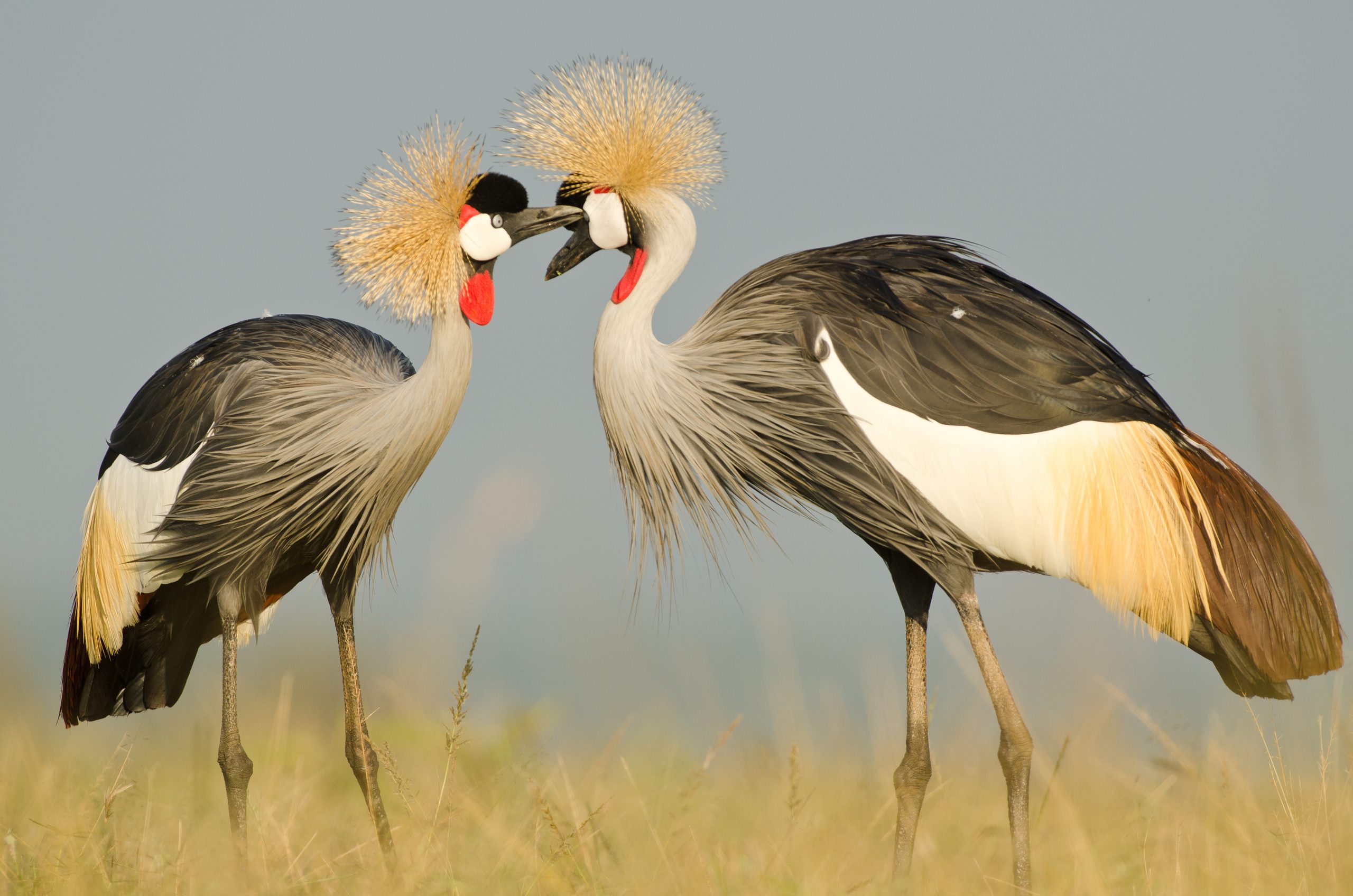
The arrival of thousands of migratory birds represents one of the most spectacular aspects of African safari seasons during the wet period. These birds take residence among the full lakes and lagoons, creating exceptional birdwatching opportunities that are simply unavailable during dry months. The abundance of water sources attracts diverse bird species, transforming the landscape into a vibrant avian paradise that offers wildlife enthusiasts unparalleled viewing experiences.
Wildlife Viewing Expectations: What to Anticipate During Each Season

Dry Season Concentrated Animal Sightings Near Water Points
During the dry season, wildlife viewing experiences are characterized by exceptional concentration patterns around limited water sources. As water becomes increasingly scarce across the landscape, animals are compelled to gather at the remaining rivers, waterholes, and permanent water points. This natural phenomenon creates unparalleled wildlife viewing opportunities for safari enthusiasts, as game drives can yield spectacular sightings with minimal effort.
The scarcity of water during this period acts as a natural magnet, drawing diverse species to these critical resources. Large herds of elephants, buffalo, and various antelope species congregate around these areas, often creating dramatic scenes as different species interact and compete for access to precious water. This concentration effect makes wildlife significantly easier to spot, as animals predictably return to these locations throughout the day, particularly during the hottest hours when hydration becomes most critical.
Green Season Dispersed Wildlife Across Expanded Territories
The green season presents a markedly different wildlife viewing dynamic, with animals dispersing across vastly expanded territories. As seasonal rains transform the landscape, water sources and food become abundant throughout the region, eliminating the need for animals to concentrate around specific locations. This abundance allows wildlife to spread across their natural ranges, following ancient migration patterns and seasonal feeding grounds.
During this time, animals take advantage of the lush vegetation and numerous temporary water sources that emerge across the landscape. The dispersal means that wildlife viewing requires more patience and strategic game drive planning, as animals are no longer confined to predictable locations. However, this distribution often leads to more authentic and natural behavioral observations, as animals engage in their seasonal movements without the stress of resource competition.
Predator Behavior Differences Between Seasons
The green season brings about fascinating changes in predator behavior patterns, particularly regarding hunting opportunities and territorial dynamics. During this period, dramatic hunting scenarios unfold as predators strategically target vulnerable newborn animals. The abundance of young prey, from antelope calves to zebra foals, creates intense predation pressure and spectacular wildlife drama for safari observers.
This seasonal shift in predator behavior is driven by the natural birthing cycles of many herbivore species, which time their reproduction to coincide with the green season’s abundant resources. Predators, including lions, leopards, and cheetahs, adapt their hunting strategies to capitalize on these opportunities, often displaying heightened activity levels and more aggressive territorial behaviors as they compete for optimal hunting grounds.
Bird Migration Patterns and Seasonal Species Availability
The green season transforms African landscapes into premier birdwatching destinations as thousands of migratory birds arrive to take advantage of seasonal abundance. These migrations significantly enrich the birdlife around full lakes and lagoons, creating exceptional opportunities for bird enthusiasts to observe species that may be absent during other times of the year.
The arrival of migratory species coincides with optimal breeding conditions, abundant insect populations, and expanded wetland habitats created by seasonal flooding. Full water bodies become magnets for diverse waterfowl, waders, and raptors, while the lush vegetation supports increased populations of seed-eating and insectivorous species. This seasonal influx creates dynamic birding experiences that complement the traditional big game focus of most safari seasons.
Practical Considerations: Making the Right Choice for Your Safari Goals

Photography opportunities and lighting conditions
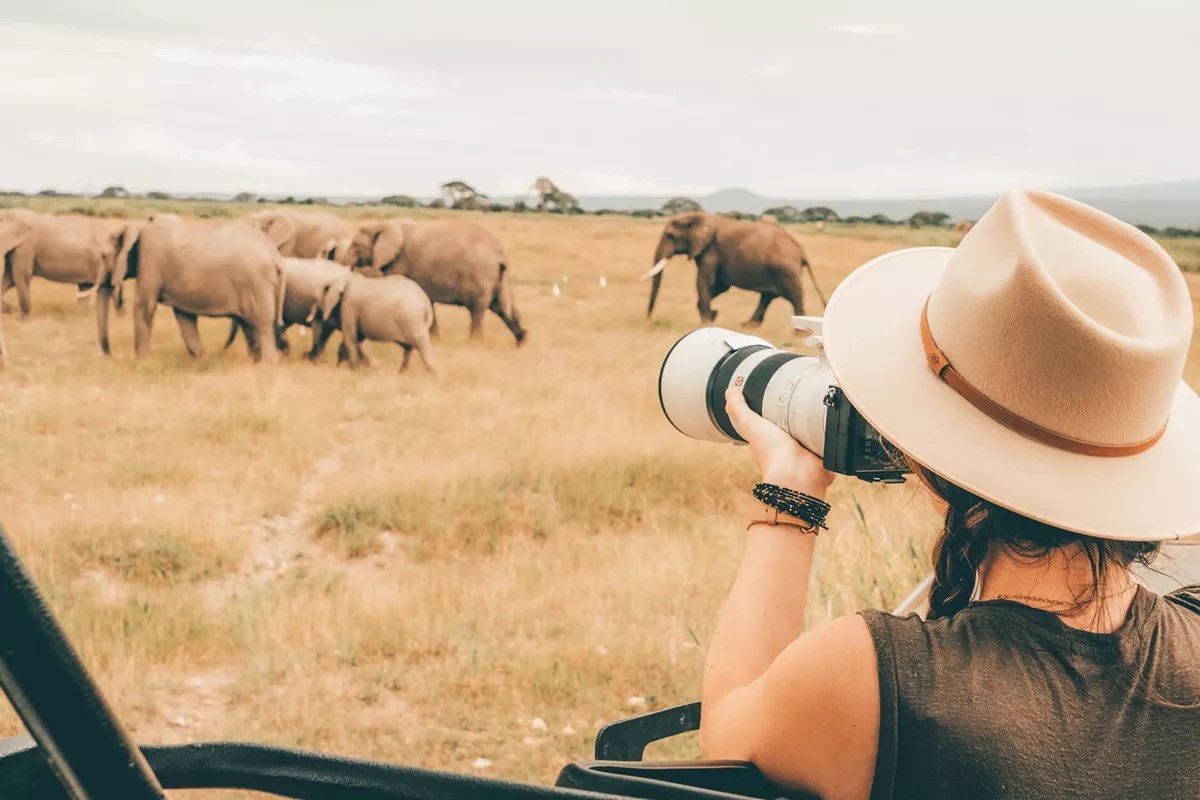
When planning your African safari seasons, photography enthusiasts will find distinct advantages in each period. The green season delivers exceptional photographic opportunities with optimal lighting conditions that can transform your wildlife images. After seasonal rains, you’ll experience stunning golden rays breaking through cloud cover, creating dramatic backlighting effects that are impossible to achieve during other times. The dynamic sky formations following rain showers provide colorful, ever-changing backdrops that add depth and mood to your wildlife photographs.
These post-rain lighting conditions offer photographers the perfect combination of soft, diffused light and vibrant atmospheric elements. The contrast between lush green vegetation and wildlife creates compelling compositions that showcase Africa’s natural beauty at its peak. While detailed information about dry season photography conditions isn’t extensively documented, the green season’s unique lighting phenomena make it particularly appealing for serious photographers seeking distinctive shots.
Budget considerations and seasonal pricing
Your choice between safari seasons will significantly impact your travel budget and overall safari planning guide decisions. The dry season typically commands premium pricing across accommodations, tours, and services due to its reputation as peak wildlife viewing time. Higher demand during this period naturally leads to increased costs for safari packages, luxury lodges, and guided experiences.
Conversely, the green season presents substantial financial advantages for budget-conscious travelers. This period is renowned for offering better deals and more favorable pricing structures across all safari components. Tour operators and lodges frequently provide attractive discounts and special packages during green season months, making African safari experiences more accessible without compromising quality. The cost savings can be substantial, often allowing travelers to extend their stays or upgrade accommodations within the same budget allocated for dry season travel.
Crowd levels and booking availability
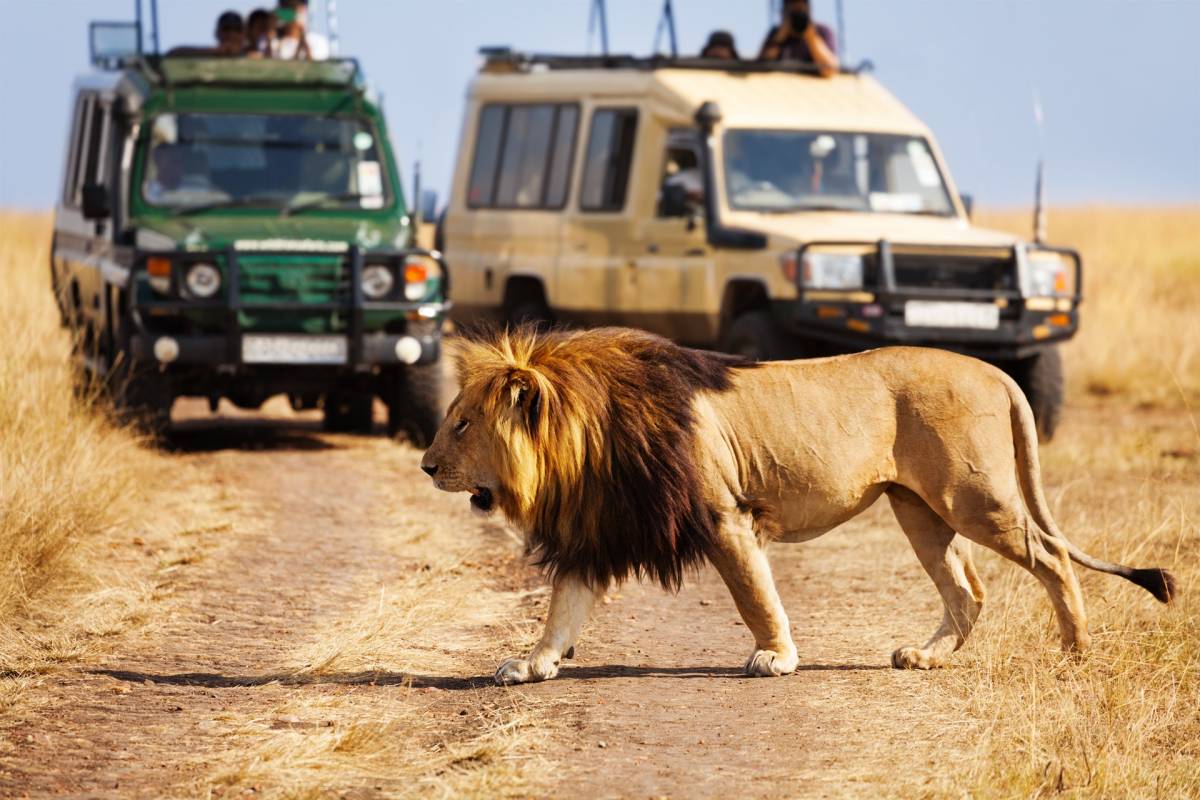
The timing of your safari significantly affects your wilderness experience and booking flexibility. During dry season months, expect considerably larger crowds and increased visitor numbers at popular wildlife destinations. This peak period attracts maximum tourism, resulting in busier game drives, crowded viewpoints, and more competitive wildlife sighting opportunities.
The green season offers a markedly different experience with fewer visitors throughout East Africa safari destinations. This reduced tourism creates opportunities for more secluded, intimate wildlife encounters without the distraction of multiple vehicles at sighting locations. The quieter atmosphere enhances the authentic African wilderness experience, allowing for better wildlife photography opportunities and more personalized attention from guides.
Booking availability also varies dramatically between seasons, with dry season accommodations filling up months in advance, while green season offers greater flexibility and last-minute booking possibilities.
Weather comfort and equipment needs
Understanding weather patterns is crucial for when to go on safari decision-making and proper preparation. The dry season provides optimal weather comfort with pleasant climate conditions characterized by mild temperatures and significantly lower humidity levels. These comfortable conditions make extended game drives more enjoyable and reduce physical stress during outdoor activities.
The green season presents different comfort considerations, involving regular rainfall and elevated humidity levels that directly influence both personal comfort and equipment requirements. Higher moisture levels may affect sensitive camera gear, requiring additional protective equipment and waterproof storage solutions. The increased humidity can make midday temperatures feel more intense, necessitating appropriate clothing choices and hydration planning.
Equipment needs vary substantially between seasons, with green season travelers requiring comprehensive rain protection for both personal gear and photography equipment, while dry season visitors can travel with lighter, less weather-resistant gear.

Both dry and green season safaris offer spectacular wildlife experiences, each with distinct advantages that cater to different preferences and priorities. The dry season delivers the classic safari experience with excellent wildlife viewing, pleasant climates, and unobstructed visibility as animals gather around limited water sources. Meanwhile, the green season provides Africa’s best-kept secret—a vibrant landscape filled with newborn animals, dramatic photography opportunities, and fewer crowds at better prices.
The choice between seasons ultimately depends on what matters most to your safari goals. If you prioritize maximum wildlife sightings and comfortable weather conditions, the dry season is ideal. However, if you’re seeking unique photographic opportunities, budget-friendly options, and the chance to witness Africa’s renewal with baby animals and lush landscapes, the green season offers an equally rewarding but more intimate experience. Regardless of when you choose to visit, Africa’s wildlife and landscapes will deliver unforgettable memories that justify the journey.