










Adventure Highlights & Add-On Experiences
First Time on Safari? Here’s How to Plan Your Dream Trip to Africa
First Time on Safari? Here’s How to Plan Your Dream Trip to Africa
Planning your first African safari can feel overwhelming with so many incredible destinations and experiences to choose from. You’re about to embark on one of the most unforgettable adventures on Earth, but where do you start?
This guide is designed specifically for first-time safari travelers who want expert advice on creating their perfect African wildlife experience. You’ll learn how to select the ideal destination for your dream trip, determine the best time to visit based on seasonal wildlife patterns, and set a realistic budget that matches your comfort preferences.
We’ll walk you through everything from choosing accommodations that suit your style to understanding what makes game drives truly spectacular. Plus, you’ll get insider tips on essential travel requirements, packing strategies, and proper safari etiquette to ensure your adventure runs smoothly from start to finish.
Choose Your Perfect Safari Destination

Consider East vs Southern Africa based on landscape preferences
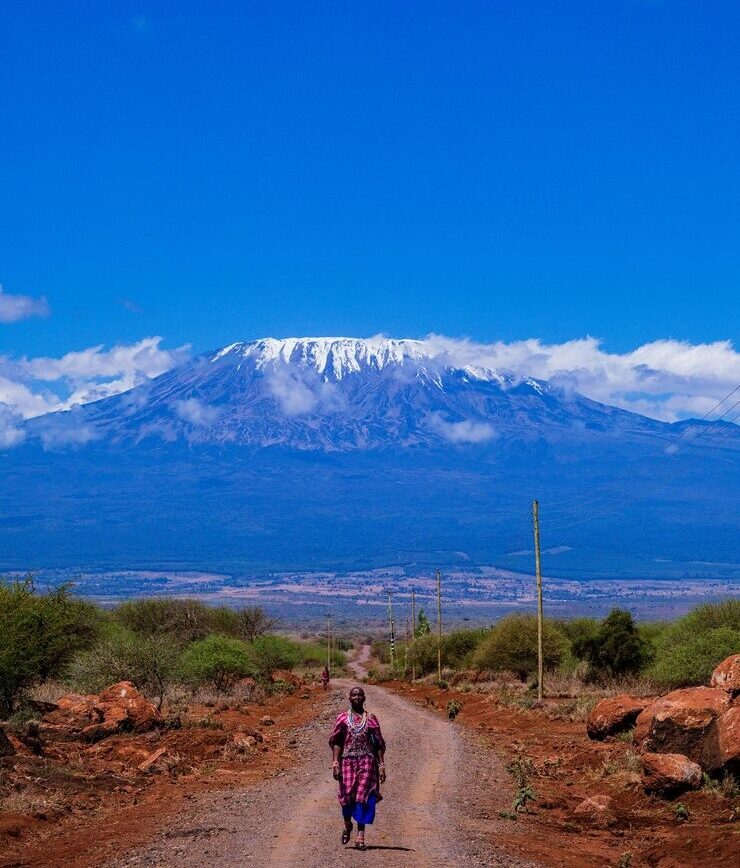
When planning your first safari adventure, deciding between East Africa and Southern Africa serves as an excellent starting point, as both regions offer distinctly different landscapes, activities, and wildlife experiences. East Africa, encompassing countries like Tanzania and Kenya, presents vast savannas, rolling grasslands, and iconic acacia-dotted plains that create the quintessential African safari backdrop. The landscape here is characterized by dramatic seasonal changes that support the world’s most spectacular wildlife migrations.
Southern Africa, including destinations like Botswana, Zimbabwe, and South Africa, offers more diverse topographical features. If you want to experience both the desert and the delta, Botswana stands out as a top choice, providing the unique contrast between the arid Kalahari Desert and the lush Okavango Delta. This region typically features more varied terrain, from wetlands and river systems to mountainous areas and coastal regions.
The landscape preferences you choose will directly influence your overall safari experience, from the types of accommodations available to the activities you can enjoy beyond traditional game drives.
Match destinations to specific wildlife viewing goals
Your wildlife viewing priorities should heavily influence your destination selection. For witnessing the Great Migration – one of nature’s most extraordinary spectacles – the Serengeti in Tanzania and the Maasai Mara in Kenya are ideal destinations. These interconnected ecosystems host millions of wildebeest, zebras, and gazelles during their annual cyclical journey.
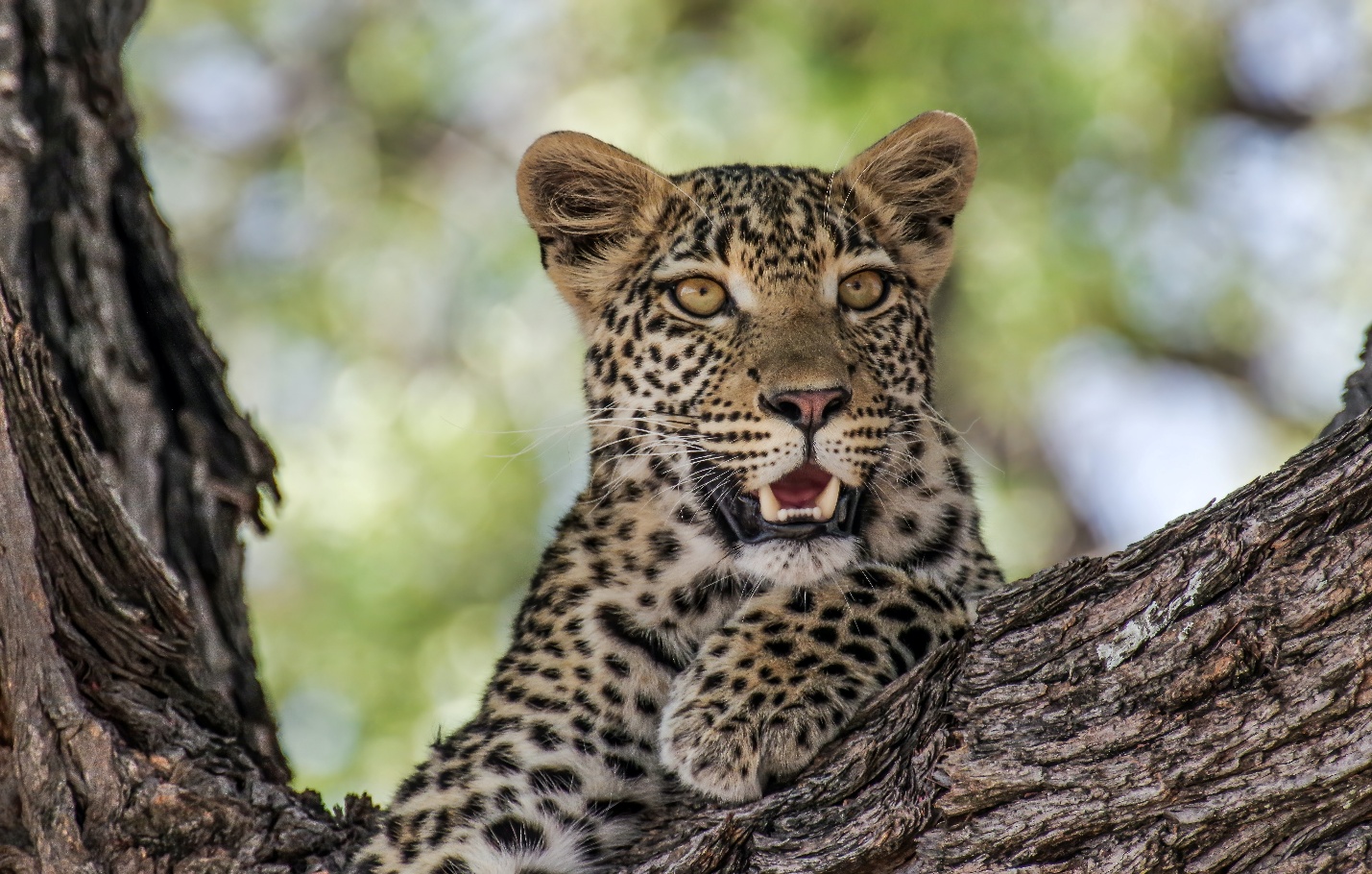
To spot all of the Big Five (lion, leopard, elephant, buffalo, and rhinoceros), focus your attention on national parks and reserves in Tanzania, Kenya, and South Africa. Prime locations include the Serengeti, Maasai Mara, and Kruger National Park, which have established reputations for consistent Big Five sightings throughout the year.
Most first-time clients choose popular national parks and reserves in Tanzania, Kenya, Botswana, or South Africa, as these destinations offer the most reliable wildlife viewing opportunities and well-developed tourism infrastructure to support newcomers to the safari experience.
Select countries based on your travel timeline and season
Your travel timeline plays a crucial role in determining the optimal safari destinations. If traveling during January through April, consider Tanzania’s Serengeti, Kenya’s Maasai Mara, and South Africa’s Kruger National Park. These destinations offer excellent weather conditions and prime wildlife viewing during these months.
For travelers planning visits between May and September, Rwanda, Botswana, and Zimbabwe present great options. This timing aligns with dry season advantages in Southern Africa, providing better road accessibility, concentrated wildlife around water sources, and generally more comfortable weather conditions for extended outdoor activities.
Understanding seasonal variations ensures you’ll experience each destination at its peak, maximizing your wildlife encounters while avoiding challenging weather conditions that could impact your overall safari experience.
Determine the Best Time for Your Safari Adventure

Plan for peak wildlife viewing seasons by destination
When planning your Africa trip, timing becomes crucial for optimal wildlife viewing experiences. For travel between January and April, Tanzania’s Serengeti, Kenya’s Maasai Mara, and South Africa’s Kruger National Park offer exceptional wildlife spotting opportunities during these months. The dry season conditions during this period concentrate animals around water sources, making game viewing particularly rewarding.
For those considering travel from May through September, Rwanda, Botswana, and Zimbabwe emerge as outstanding destinations. These countries experience their prime safari seasons during these months, with favorable weather patterns and active wildlife behavior that creates memorable encounters for first-time safari visitors.
A month-by-month guide proves invaluable when determining which destinations shine during specific seasons. Each location has distinct peak periods that align with local weather patterns and animal behaviors, making strategic planning essential for your dream trip to Africa.
Consider shoulder season benefits for budget-conscious travelers
The shoulder season, particularly November, should not be dismissed despite the possibility of wetter conditions in December. Traveling during these transitional months presents unique advantages for budget-conscious adventurers planning their safari experience.
November offers significantly lower rates while still delivering memorable wildlife encounters. Even though wildlife spotting might be less abundant in certain areas like Botswana during shoulder months, the reduced costs and fewer crowds can enhance your overall safari adventure. The slight trade-off in wildlife density often proves worthwhile for travelers seeking authentic experiences without peak season pricing.
Factor in weather patterns and migration timing
Weather patterns play a fundamental role in safari planning, directly influencing both wildlife behavior and travel conditions. Understanding these patterns helps optimize your wildlife viewing opportunities and ensures comfortable travel experiences across different African destinations.
Migration timing represents a critical factor in destination selection, with witnessing the Great Migration being a primary draw for many safari enthusiasts. The Serengeti and Maasai Mara serve as key locations during migration periods, offering spectacular wildlife movements that define the ultimate African safari experience. Coordinating your travel dates with these natural phenomena ensures you witness one of nature’s most remarkable spectacles during your first safari adventure.
Set Your Safari Budget and Duration

Understand cost variations from budget camping to luxury lodges
Safari experiences in Africa offer a dramatic range of pricing options, allowing travelers to find accommodations that match their budgeting preferences. Budget safari experiences with camping average $150 per person per night, making this the most economical option for adventurous travelers who don’t mind sleeping under the African stars. For those seeking slightly more comfort, budget safari accommodations average $250 per person per night, providing basic amenities while maintaining affordability.
Mid-range safari experiences with accommodation average $350 per person per night, offering a comfortable balance between cost and amenities. These options typically include well-appointed tents or lodges with private bathrooms and decent dining facilities. For travelers seeking the ultimate luxury experience, high-end safari accommodations average $700 per person per night, with some premium options running up to $1,500 per person per night. These luxury lodges feature exceptional service, gourmet cuisine, and often include exclusive game viewing opportunities.
| Accommodation Level | Average Cost per Person per Night |
| Budget Camping | $150 |
| Budget Accommodation | $250 |
| Mid-range | $350 |
| Luxury | $700 – $1,500 |
Choose optimal trip length for first-time safari experience
When planning your first African safari adventure, duration plays a crucial role in both budgeting and overall experience quality. A comfortable length for a first safari is no more than 10 days, considering the exhausting schedule of game drives that typically begin before dawn and can extend into the evening hours.
The optimal trip length ultimately depends on your budget and desired experience, as longer stays naturally offer more opportunities for wildlife spotting and deeper immersion into the African wilderness. First-time visitors often find that a week-long safari provides sufficient time to experience diverse ecosystems while avoiding travel fatigue that can diminish enjoyment of this once-in-a-lifetime adventure.
Account for seasonal price fluctuations and group vs private options
Safari costs fluctuate significantly depending on multiple factors that savvy travelers should consider when budgeting. Costs can change drastically based on travel season, with high, low, and shoulder seasons each offering different pricing structures. Peak seasons typically command premium rates due to optimal weather conditions and wildlife viewing opportunities.
The choice between group and private safari experiences also dramatically impacts your overall budget. Safari costs vary considerably depending on whether you are traveling with a group or privately, with private safaris commanding substantially higher rates but offering personalized itineraries and exclusive experiences. Additionally, costs fluctuate depending on the specific destination within Africa, as some countries and regions are inherently more expensive due to infrastructure, accessibility, and conservation fees.
Select Accommodations That Match Your Comfort Level

Compare camping, mid-range, and luxury lodge experiences
Your choice of accommodations will dramatically shape your African safari experience, with options ranging from budget-friendly camping to ultra-luxury lodges. For budget-conscious travelers, camping in national parks provides an authentic and affordable way to experience the African wilderness. Southern African parks offer particularly well-equipped public camping facilities that include electricity, barbecue facilities, and on-site restaurants, making this option more comfortable than traditional wilderness camping while keeping costs minimal.
Mid-range safari accommodations strike an excellent balance between comfort and value, offering enhanced amenities without the premium price tag of luxury lodges. These properties typically provide comfortable rooms, quality meals, and professional guide services while maintaining reasonable rates. For travelers whose budgeting allows, mid-range to luxury safari experiences prove worthwhile investments, delivering significantly enhanced comfort and service levels.
At the pinnacle of safari accommodations, luxury lodges offer incomparable comforts and exclusive experiences. These high-end properties often feature world-class amenities and personalized services that justify their premium pricing. For instance, luxury lodges like Kempinski’s Olare Mara provide exceptional services such as unlimited laundry facilities, which proves particularly valuable given the strict baggage weight restrictions on bush flights, with rates approximately $600 USD per person per night.
Evaluate location benefits of staying inside vs outside parks
The location of your accommodations significantly impacts both your safari experience and your travel budget. Staying at accommodations outside national parks offers one primary advantage: lower pricing. These external lodges and camps can provide substantial cost savings while still offering quality safari experiences through day trips into nearby parks.
However, luxury accommodations located within national parks occupy prime real estate in the best areas of these protected wilderness zones. This strategic positioning provides unparalleled access to wildlife viewing opportunities, often allowing guests to witness animal behavior during early morning and late evening hours when external visitors must exit the parks. The convenience of staying within park boundaries eliminates travel time to and from external accommodations, maximizing your time in prime wildlife areas.
Consider unique amenities and services at different price points
Different accommodation tiers offer distinctly different amenities and services that cater to varying comfort expectations and budgets. Budget camping options focus on essential facilities while maintaining connection to nature, providing basic necessities like electricity and cooking facilities without compromising the authentic safari atmosphere.
Luxury lodges elevate the safari experience through exceptional amenities and personalized services. Angama Mara exemplifies this premium tier, offering breathtaking panoramic views and resort-style amenities including swimming pools, with rates ranging from approximately $1200 to $1800 USD per person per night. These high-end properties often feature spa services, gourmet dining, private guides, and exclusive wildlife viewing areas that justify their premium positioning in the market.
Prepare for Authentic Game Drive Experiences

Understand Typical Daily Safari Schedules and Timing
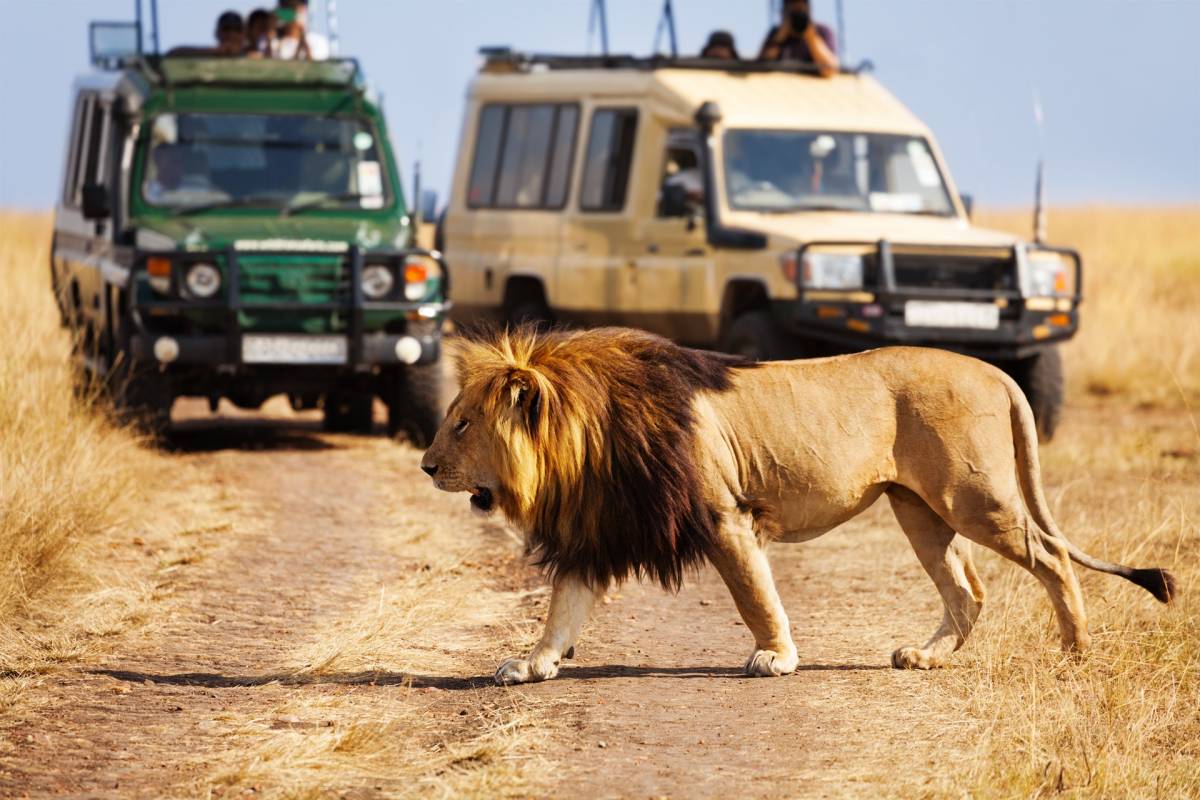
Most safari experiences include two game drives daily: one in the early morning and another in the late afternoon into the evening. This carefully structured schedule maximizes your wildlife viewing opportunities while ensuring comfort and safety throughout your African trip. The early morning departure typically begins around sunrise, when temperatures are cooler and many animals are most active as they search for food and water after the night’s rest.
The afternoon drive usually commences in the late afternoon, extending into the evening hours when the harsh midday heat subsides. This timing strategy aligns with natural animal behavior patterns, as most wildlife species prefer to move and hunt during these cooler periods. The extended evening drives often provide spectacular sunset viewing opportunities, adding a magical element to your wildlife encounters.
Work Effectively with Knowledgeable Guides and Trackers
Going with a knowledgeable guide is highly beneficial as they are informative and can communicate about wildlife spottings effectively. These expert professionals possess deep understanding of local ecosystems, animal behavior patterns, and the best locations for wildlife encounters throughout your destinations.
Feel free to ask your guide questions about the area or wildlife to gain more knowledge during your safari experience. Engaging with your guide creates educational opportunities that enhance your understanding of conservation efforts, animal behaviors, and the intricate relationships within African ecosystems. However, never ask your guide to drive closer to animals, as it is unsafe and harmful to both you and the animals. Respecting these safety protocols ensures responsible tourism practices while protecting both wildlife and visitors.
Set Realistic Expectations for Wildlife Encounters
Set realistic expectations, as game drives involve interacting with wild animals in their natural habitat, and wildlife encounters are often a matter of luck. Unlike controlled environments, African safaris offer authentic experiences where animal sightings cannot be guaranteed, making each encounter genuinely special and memorable.
Understanding this unpredictability helps travelers appreciate the true nature of wildlife viewing, where patience and flexibility become essential components of a successful safari adventure. Weather conditions, seasonal migration patterns, and natural animal behaviors all influence viewing opportunities, making expert advice from experienced guides invaluable for managing expectations appropriately.
Handle Essential Travel Requirements

Research visa requirements and application timelines
Visa requirements for your African safari vary significantly depending on your passport and chosen destination. For US citizens planning their first safari adventure, understanding these requirements well in advance is crucial for smooth travel planning.
South Africa and Botswana offer visa-free entry for US citizens, making them excellent starting points for first-time safari travelers. However, popular destinations like Kenya and Tanzania require advance visa applications. You’ll need to apply for a visa or eVisa for these East African countries at least 30 days before your departure date.
While visa on arrival may be available in some cases, it’s not always guaranteed, especially during peak travel seasons. To avoid complications at immigration, secure your visa before traveling. Resources like Travel Sherpa provide comprehensive, up-to-date visa requirements specific to your passport and intended destinations, helping you navigate the application process efficiently.
Get necessary vaccinations including yellow fever
Health precautions are essential components of safari trip planning, with vaccination requirements varying by destination. The yellow fever vaccination stands out as the most commonly required immunization for African travel.
Countries like Rwanda and Kenya mandate yellow fever vaccination certificates, while others may strongly suggest or recommend it. This requirement becomes particularly important if you’re planning a multi-country safari, as traveling between African nations often triggers additional vaccination requirements. Ensure your yellow fever vaccination aligns with your complete travel itinerary, not just your primary destination.
Understand antimalarial medication recommendations
Beyond yellow fever, consider antimalarial medication as part of your health precautions strategy. Malaria risk varies across different safari regions, making professional medical consultation essential for determining appropriate preventive measures.
Additional recommended vaccinations typically include Hepatitis A and Typhoid, which protect against foodborne and waterborne illnesses common in certain regions. Schedule a travel medicine consultation at least 6-8 weeks before departure to ensure adequate time for all necessary immunizations and to discuss the most suitable antimalarial medication for your specific destinations and travel timeline.
Navigate Bush Flights and Weight Restrictions

Prepare for small aircraft transportation to remote camps
Bush flights serve as the primary transportation method to reach remote safari camps and lodges across Africa’s wilderness areas. These small aircraft provide quick and efficient access to destinations that would otherwise require hours or even days of driving through challenging terrain. The aircraft typically accommodate 6-12 passengers and are specifically designed to land on short, unpaved airstrips commonly found near safari camps.
Understanding the nature of these flights helps set proper expectations for your safari travel experience. The planes are generally well-maintained and operated by experienced pilots familiar with local conditions, weather patterns, and wildlife movements that might affect landing procedures.
Pack strategically within 15kg baggage weight limits
The strict 15kg (33 pounds) baggage weight limit on bush flights requires careful planning and strategic packing decisions. This restriction applies to both checked luggage and carry-on items combined, making every gram count in your packing strategy.
To maximize your packing efficiency within these constraints, prioritize multi-functional items and lightweight materials. Focus on essential safari gear first, then add personal items based on remaining weight allowance. Consider the climate and activities planned at your destination to avoid over-packing unnecessary items.
Digital scales become invaluable tools during your pre-trip preparation, allowing you to weigh your packed luggage at home and make adjustments before departure. Many safari veterans recommend packing slightly under the 15kg limit to account for any items you might acquire during your trip.
Choose appropriate luggage for safari conditions
Safari conditions demand specific luggage characteristics that differ significantly from typical travel scenarios. The unpaved airstrips, dusty environments, and frequent handling require durable, flexible luggage options that can withstand challenging conditions.
Soft-sided duffel bags prove most practical for bush flights, as they can be compressed and shaped to fit into small aircraft cargo compartments more easily than rigid suitcases. The flexibility of soft luggage also makes storage in safari vehicles and camp accommodations more manageable.
Consider luggage with sturdy zippers, reinforced handles, and water-resistant materials to protect your belongings from dust, moisture, and rough handling during transportation between camps and during game drives.
Pack Smart for Safari Success

Select neutral-colored, technical fabrics for game drives
When planning your Africa trip, your clothing choices can make or break your safari experience. Light and neutral-colored clothing is essential for blending into the natural environment and avoiding unwanted attention from wildlife. Dark colors, particularly black and navy, should be avoided as they attract insects and can startle animals during game drives.
Technical fabrics designed specifically for long days and challenging conditions are your best investment for safari success. Brands like Anatomie offer specialized safari wear that combines functionality with comfort. These technical fabrics are engineered to be light, compact, and easy to pack while maintaining durability throughout extended outdoor activities. The moisture-wicking properties and quick-dry capabilities of these materials ensure you remain comfortable during intensive game drives, even in Africa’s variable climate conditions.
Layer clothing for dramatic temperature changes
African wildlife destinations experience significant temperature fluctuations throughout a single day, making layering an essential strategy for comfort and safety. Pack layers of clothing to accommodate these dramatic temperature changes that can range from cool pre-dawn mornings to scorching midday heat, then back to chilly evenings.
Your layering system should include lightweight base layers, insulating mid-layers, and weather-resistant outer shells. This approach allows you to adapt quickly to changing conditions without compromising your wildlife viewing experience. The ability to add or remove clothing layers ensures optimal body temperature regulation during early morning game drives when temperatures can be surprisingly cool, transitioning to warm afternoon excursions.
Bring proper camera equipment and sturdy footwear
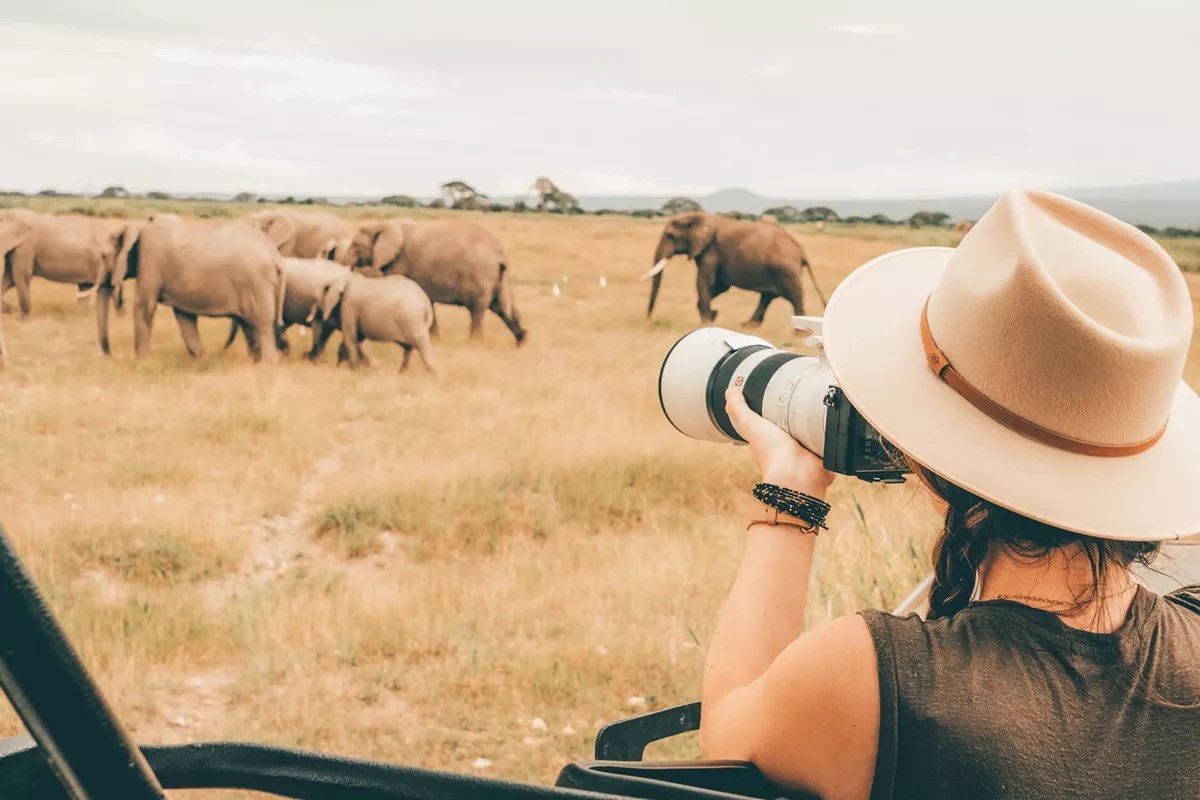
Your camera equipment selection significantly impacts your ability to capture Africa’s incredible wildlife moments. Bring proper camera equipment that includes a telephoto lens specifically designed for capturing distant wildlife without disturbing their natural behavior. A bean bag provides essential stability for your camera during bumpy vehicle rides and helps achieve sharp images when photographing from safari vehicles.
Footwear selection demands careful consideration for both safety and comfort during your Africa adventure. Wear heavy-duty boots like Timberlands instead of sneakers, as they provide superior ankle support, protection from rough terrain, and durability necessary for walking safaris and lodge explorations. Proper boots also protect against potential hazards like thorns, insects, and uneven surfaces commonly encountered in African wilderness areas.
Plan Your Safari Timeline and Booking Strategy

Allow Adequate Time for Visa Applications and Vaccinations
When planning your African safari adventure, giving yourself sufficient time for essential travel preparations is crucial for a seamless experience. For destinations like Kenya and Tanzania, you should apply for visas at least 30 days before your departure date to avoid any last-minute complications. This timeline allows for processing delays and gives you peace of mind knowing your documentation is secured well in advance.
The vaccination process requires even more advance planning, as some immunizations need to be administered weeks before travel to ensure full effectiveness. Yellow fever vaccinations, for instance, must be given at least 10 days before entering certain African countries. Allow adequate time for planning all health precautions alongside your visa applications – the more time you allocate for these preparations, the better your overall trip planning experience will be.
Book Well in Advance for Peak Seasons
Africa’s wildlife viewing follows seasonal patterns, making certain times of the year significantly more popular than others. Planning a year in advance is ideal for a safari experience, particularly if you’re targeting peak seasons when wildlife viewing is at its best. This extended timeline not only ensures availability at your preferred accommodations but also provides better rates and more options for activities and transportation.
Early booking becomes even more critical during peak migration periods or dry seasons when wildlife congregates around water sources. Popular destinations fill up quickly, and the best camps and lodges often have waiting lists during these premium times.
Consider Working with Experienced Safari Specialists
Now that we’ve covered the importance of early planning, working with experienced safari specialists becomes invaluable for first-time safari travelers. Booking Africa requires expert knowledge to ensure the best wildlife experience and seamless logistics throughout your journey. The continent’s diverse destinations, varying seasonal patterns, and complex transportation networks can be overwhelming for newcomers.
Safari specialists like Yellow Zebra consultants bring extensive on-the-ground experience to your trip planning. Many of these experts have been safari guides, camp managers, or were born in Africa, giving them intimate knowledge of local conditions, wildlife patterns, and the best accommodations for different travel styles. Their expertise can simplify the planning process significantly, helping you navigate everything from the best camps for your budget to optimal timing for specific wildlife viewing opportunities.
These specialists understand the nuances of African travel that aren’t immediately apparent to first-time visitors, ensuring your safari delivers the authentic wildlife encounters and cultural experiences you’re seeking.
Follow Proper Etiquette and Tipping Practices

Respect Wildlife Viewing Guidelines and Safety Protocols
Maintaining appropriate distance from wildlife is crucial for both your safety and animal welfare during your African safari adventure. One of the most important rules to remember is never asking your guide to drive closer to animals, as this creates significant safety risks for everyone in the vehicle and can potentially harm the wildlife you’ve come to observe. Professional safari guides are trained to position vehicles at optimal viewing distances that allow for excellent photography and observation while respecting the animals’ natural behavior patterns.
These safety protocols exist for good reason – wild animals are unpredictable, and getting too close can trigger defensive behaviors or stress responses that disrupt their natural activities. Your experienced guide understands animal behavior and will position the vehicle at distances that provide the best viewing experience while maintaining safety standards that protect both wildlife and guests.
Tip Guides and Trackers Appropriately at Trip Conclusion
Proper tipping practices are an essential part of safari culture and directly support the local communities that make your wildlife experience possible. The standard tipping guideline is $10 USD per day for your guide and $5 USD per day for your tracker. These amounts should be calculated for the entire duration of your safari and collected together as a lump sum.
It’s important to present these tips at the conclusion of your entire safari trip, not at the end of each day. This practice allows you to evaluate the overall quality of service throughout your journey and ensures that your guides and trackers receive their gratuities in a manner that’s both culturally appropriate and professionally respectful. Keep your tipping money separate and in USD, as this is the preferred currency for gratuities in most African safari destinations.
Ask Informed Questions While Maintaining Animal Welfare Standards
Your safari guides are incredibly knowledgeable about local wildlife, ecosystems, and conservation efforts, and they genuinely enjoy sharing their expertise with curious travelers. Feel free to ask questions about the area’s wildlife, animal behaviors, conservation challenges, or the local ecosystem – this engagement enhances your safari experience and demonstrates respect for their professional knowledge.
When asking questions, focus on topics that promote understanding of animal welfare and conservation efforts. Inquire about animal migration patterns, feeding habits, social structures, or the conservation programs protecting these magnificent creatures. Your guides can provide fascinating insights into animal behavior, tracking techniques, and the delicate balance of African ecosystems that you won’t find in guidebooks.

Planning your first African safari may seem overwhelming with all the decisions to make, but breaking it down into manageable steps makes the process much more approachable. From selecting your ideal destination and timing your visit to setting a realistic budget and choosing accommodations that match your comfort level, each element builds toward creating your perfect safari experience. Remember that proper preparation—from securing visas and vaccinations to packing strategically for bush flight weight restrictions—will ensure your adventure runs smoothly from start to finish.
A safari is truly a once-in-a-lifetime experience that’s worth every ounce of planning effort. While you can’t predict exactly what wildlife you’ll encounter on each game drive, following proper etiquette, working with knowledgeable guides, and maintaining realistic expectations will help you fully appreciate the magic of observing animals in their natural habitat. Start planning at least a year in advance when possible, and don’t hesitate to work with experienced safari specialists who can help navigate the complexities and create an unforgettable African adventure tailored to your dreams and budget.