







Destinations & Experiences
10 Reasons South Africa Is Perfect for First-Time Safari Travelers
10 Reasons South Africa Is Perfect for First-Time Safari Travelers
Planning your first African adventure can feel overwhelming, but South Africa safari for beginners offers the perfect introduction to wildlife experiences. This country stands out as the best safari destination for first timers, combining incredible wildlife with practical advantages that make your trip smooth and memorable.
New safari travelers will discover why South Africa consistently ranks as the top choice for beginner-friendly African safari experiences. The country removes common barriers that intimidate first-time visitors – language confusion, health concerns, and budget worries – while delivering world-class wildlife encounters.
You’ll learn about South Africa’s malaria-free safari destinations that let you focus on spotting the Big Five without health worries. We’ll explore the country’s budget-friendly options that prove affordable safari South Africa experiences don’t sacrifice quality. Plus, discover how English-speaking safari guides and excellent infrastructure make navigation effortless, even for nervous first-time travelers.
From luxury lodges to camping adventures, South Africa game reserves offer something for every comfort level and budget, making your first safari exactly what you dreamed it would be.
Exceptional Game Viewing Opportunities

Big Five wildlife encounters guaranteed
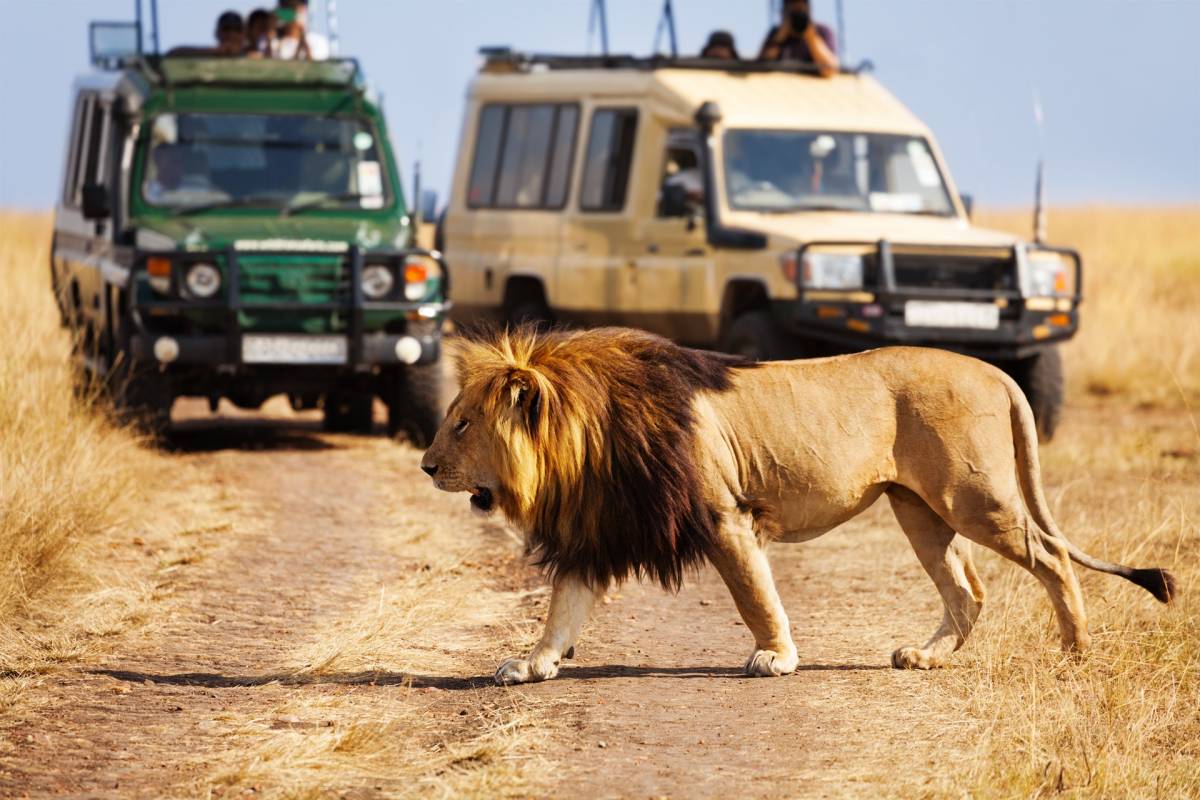
South Africa stands out as the ultimate first-time safari South Africa destination because you’re virtually guaranteed to spot all members of the legendary Big Five – lion, leopard, elephant, buffalo, and rhinoceros. Kruger National Park alone hosts over 1,500 lions and 12,000 elephants, making wildlife sightings incredibly reliable for beginners. The country’s premier reserves like Sabi Sands and Madikwe Game Reserve boast some of Africa’s highest success rates for Big Five encounters, with experienced guides who know exactly where to find these magnificent creatures.
What sets South Africa apart is the predictability of these encounters. Unlike other safari destinations where you might spend days searching, South Africa’s well-managed reserves and decades of wildlife research mean guides can almost guarantee sightings. Private reserves often share animal movement information through radio networks, ensuring your South Africa wildlife tours maximize every game drive opportunity.
High animal density in premier reserves
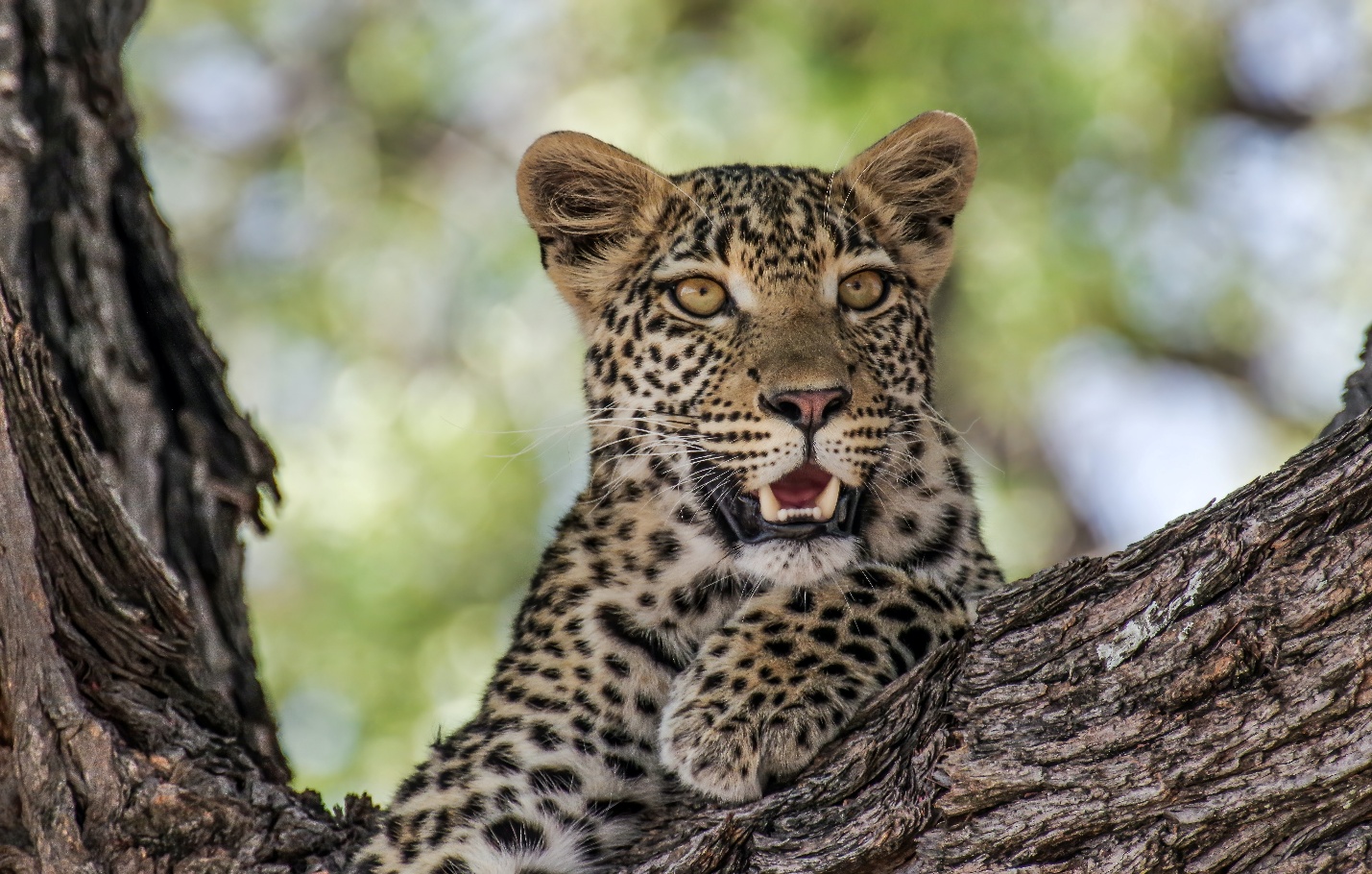
The animal density in South Africa’s top reserves rivals anywhere in Africa. Kruger National Park supports an astounding 147 mammal species across nearly 20,000 square kilometers, while smaller private reserves like Phinda and Shamwari concentrate incredible wildlife diversity in more intimate settings. Sabi Sands Game Reserve, adjacent to Kruger, maintains some of the continent’s highest leopard densities – perfect for first-time safari travelers hoping to spot these elusive cats.
South Africa game reserves benefit from exceptional habitat management and anti-poaching efforts that have allowed animal populations to flourish. Hluhluwe-iMfolozi Park, the world’s oldest proclaimed nature reserve, has successfully rebuilt white rhino populations from near extinction to over 1,600 individuals. This conservation success translates directly into spectacular game viewing opportunities.
Year-round wildlife visibility
Unlike East African destinations with dramatic seasonal migrations, South Africa offers consistent wildlife viewing throughout the year. During winter months (May to September), vegetation thins out and animals congregate around water sources, making spotting easier for beginners. Summer brings lush landscapes and active breeding seasons, offering different but equally rewarding experiences.
Each season provides unique advantages for beginner-friendly African safari experiences. Winter’s clear skies and mild temperatures create ideal photography conditions, while summer’s longer days extend game drive opportunities. The predictable weather patterns mean you can plan your South Africa safari for beginners with confidence, knowing wildlife activity remains high regardless of travel dates.
Diverse ecosystems supporting varied species
South Africa’s remarkable ecosystem diversity creates habitats supporting an incredible variety of wildlife species. From the bushveld of Kruger to the fynbos of the Western Cape, each region offers distinct wildlife experiences. The Garden Route combines coastal, forest, and grassland ecosystems, while the Kalahari provides desert-adapted species viewing opportunities.
Addo Elephant National Park showcases this diversity perfectly, protecting everything from elephants and lions to penguins and whales within a single reserve system. This ecosystem variety means your safari experience extends far beyond traditional game viewing to include marine wildlife, endemic bird species, and unique plant communities that support specialized animal populations found nowhere else on Earth.
World-Class Safari Infrastructure

Well-maintained roads and accessible reserves
South Africa stands out among African safari destinations with its exceptional road network and easily accessible game reserves. Unlike many other safari countries where reaching wildlife areas requires bumpy, unpaved roads and specialized vehicles, South Africa offers sealed highways connecting major cities to premier safari destinations like Kruger National Park and the private reserves of the Greater Kruger area.
The country’s infrastructure development means that first-time safari South Africa visitors can reach world-renowned game viewing areas within hours of landing at OR Tambo International Airport. Major reserves maintain well-graded gravel roads inside their boundaries, ensuring comfortable game drives without the jarring experience often associated with African bush travel.
Private reserves surrounding Kruger National Park feature excellent internal road systems, with many offering tarred access roads. This accessibility makes South Africa safari for beginners particularly appealing, as travelers don’t need to worry about challenging travel conditions that might overshadow their wildlife experience.
The country’s commitment to maintaining safari infrastructure extends beyond roads to include reliable bridge systems, proper drainage during rainy seasons, and clear signage throughout reserves. This level of development ensures consistent access to prime wildlife viewing areas regardless of weather conditions.
Professional guide training standards
South Africa maintains the most rigorous safari guide certification system in Africa, directly benefiting beginner-friendly African safari experiences. The Field Guides Association of Southern Africa (FGASA) sets internationally recognized standards that require guides to complete comprehensive training programs covering wildlife behavior, ecology, tracking, firearms proficiency, and first aid.
Professional guides in South Africa undergo extensive practical assessments in real safari environments, ensuring they possess both theoretical knowledge and hands-on experience. This training system produces English-speaking safari guides who can communicate effectively with international visitors while maintaining the highest safety and educational standards.
The multi-tiered certification system ranges from basic Nature Guide qualifications to specialized Big Five tracking certifications. This structured approach means that even entry-level guides possess solid foundational knowledge, while experienced guides continue advancing their expertise through ongoing education requirements.
Many South African safari guides hold university degrees in wildlife management, zoology, or related fields, bringing scientific understanding to their interpretive skills. This educational background enables them to answer complex questions about animal behavior, conservation challenges, and ecosystem dynamics that first-time safari visitors often ask.
Established tourism support services
The mature tourism industry in South Africa provides comprehensive support services that make South Africa wildlife tours seamless for newcomers to African travel. Medical facilities near major safari areas include well-equipped clinics staffed by qualified medical professionals, offering peace of mind for international visitors.
Communication infrastructure throughout safari regions includes reliable cell phone coverage and internet connectivity at most lodges and camps. This connectivity allows first-time visitors to stay in touch with home and share their experiences in real-time, reducing anxiety about being isolated in remote areas.
Banking and financial services are readily available, with ATMs located in towns near major reserves and most lodges accepting international credit cards. Currency exchange services operate at airports and urban centers, eliminating concerns about accessing local currency.
Transportation networks include regular scheduled flights between major cities and safari destinations, plus reliable ground transfer services. Rental car companies maintain offices near airports and in safari regions, offering well-maintained vehicles suitable for self-drive adventures.
The hospitality sector features established supply chains ensuring consistent food quality and availability of international cuisine alongside local specialties. Professional housekeeping, laundry services, and maintenance support at safari accommodations meet international standards, creating comfortable experiences for visitors accustomed to modern amenities.
Budget-Friendly Safari Options

Affordable Accommodation Ranging from Budget to Luxury
South Africa shines when it comes to affordable safari South Africa experiences that don’t compromise on quality. Budget-conscious travelers can find comfortable safari camps and lodges starting from as little as $50-80 per person per night, while mid-range options offer exceptional value between $150-300. These accommodations often include game drives, meals, and expert guiding services – a package that would cost significantly more in other African destinations.
The country’s competitive hospitality industry means you get more bang for your buck. Budget safari lodges provide clean, comfortable rooms with private bathrooms, hearty meals, and professional guides who speak English fluently. Many offer shared game drive vehicles that keep costs down while maintaining the authentic safari experience. Mid-range lodges often feature swimming pools, spa services, and upgraded dining experiences that rival luxury establishments elsewhere.
For first-time safari South Africa visitors, this pricing structure removes the intimidation factor often associated with African safaris. You can experience world-class game viewing without the premium price tag typically found in Kenya, Tanzania, or Botswana.
Self-Drive Safari Possibilities
Self-drive safaris represent one of South Africa’s most appealing features for budget-minded adventurers. Major game reserves like Kruger National Park, Addo Elephant National Park, and Hluhluwe-iMfolozi Park offer excellent self-drive opportunities with well-maintained roads and clear signage.
Renting a vehicle costs approximately $30-50 per day, and entrance fees to national parks range from $10-25 per adult daily. This creates enormous savings compared to guided safari packages. Self-drive visitors maintain complete control over their schedule, spending more time at sightings that interest them most.
South Africa game reserves provide detailed maps, wildlife guides, and rest camps with restaurants and shops. The infrastructure makes self-driving safe and enjoyable, even for first-time visitors. Many travelers combine self-drive days with one or two guided experiences to get the best of both worlds.
The roads in major reserves are suitable for regular cars, though 4×4 vehicles open up additional routes and provide better wildlife viewing positions.
Package Deals Designed for First-Timers
Tour operators across South Africa specialize in beginner-friendly African safari packages that take the guesswork out of planning. These comprehensive deals typically include accommodations, meals, game drives, airport transfers, and sometimes flights between destinations.
Three to four-day South Africa safari packages start around $400-600 per person, covering everything from arrival to departure. Seven-day packages range from $800-1,500, often including multiple destinations like Kruger National Park, the Cape Winelands, and Cape Town.
These packages eliminate common first-timer concerns about booking separate accommodations, coordinating transfers, and planning game drive schedules. Professional tour operators handle logistics while ensuring you experience the highlights of South African wildlife and culture.
Many operators offer flexible packages allowing customization based on interests and budgets. Group discounts make these deals even more attractive for families or friend groups traveling together.
Favorable Exchange Rates for International Visitors
The South African Rand consistently offers excellent value for international currencies, particularly for visitors from North America, Europe, and Australia. Currency fluctuations regularly work in favor of international visitors, with the Rand often trading at historically favorable rates against major world currencies.
This exchange rate advantage extends your purchasing power significantly. Restaurant meals that might cost $8-12 elsewhere cost $4-6 in South Africa. Local crafts, souvenirs, and additional activities become surprisingly affordable luxuries rather than budget-busting extras.
South Africa wildlife tours benefit tremendously from this exchange rate advantage. International visitors often discover they can afford upgraded accommodations, additional activities, or extended stays that seemed financially impossible during initial planning stages.
The favorable rates make South Africa particularly attractive for extended stays, allowing travelers to experience multiple regions, diverse accommodations, and various safari styles without stretching their travel budgets thin.
English-Speaking Safari Experience

No Language Barriers with Guides and Staff
South Africa’s English-speaking safari guides and staff eliminate one of the biggest concerns for first-time safari travelers. As an official language of the country, English is widely spoken across all major game reserves and safari destinations, meaning you can communicate effortlessly with your guides, rangers, and accommodation staff throughout your entire journey.
English-speaking safari guides in South Africa are among the world’s most qualified professionals, holding internationally recognized certifications. They can explain animal behaviors, share fascinating wildlife facts, and answer your endless questions without any confusion or translation delays. You’ll understand every detail about the Big Five, bird species, and ecosystem relationships without missing nuances that might get lost in translation.
The staff at safari lodges, game reserves, and tour operators are fluent English speakers who understand the needs of international visitors. From booking confirmations to dining preferences and activity arrangements, everything flows smoothly in clear, understandable English. This language advantage becomes especially valuable during emergency situations or when you need to communicate specific medical requirements or dietary restrictions.
Clear Communication During Wildlife Encounters
Wildlife encounters require precise, immediate communication between guides and guests for both safety and optimal viewing experiences. South African guides excel at providing real-time commentary in clear English, helping you understand animal behaviors as they unfold before your eyes.
During game drives, your guide will explain why elephants are mud-bathing, describe the hunting strategies of a pride of lions, or identify different antelope species using terminology you can easily follow. This educational component transforms your safari from simple sightseeing into an immersive learning experience about African wildlife and ecosystems.
Safety briefings before walking safaris, boat excursions, or close encounters with dangerous game are delivered in straightforward English, ensuring you understand exactly what to expect and how to behave. Your guide can quickly communicate instructions like “stay still” or “move slowly to the left” without any confusion that could compromise your safety or disturb wildlife.
The ability to ask questions spontaneously enhances your South Africa safari for beginners experience dramatically. You can inquire about animal tracks, request better positioning for photographs, or seek clarification about conservation efforts – all in your native language.
Easy Navigation and Booking Processes
Booking your first-time safari South Africa adventure becomes remarkably straightforward when language barriers don’t exist. Safari operators, travel agencies, and accommodation providers maintain English-language websites, brochures, and booking systems that make planning your trip stress-free.
Customer service representatives speak fluent English and understand international travelers’ expectations, helping you navigate different safari package options, seasonal considerations, and activity combinations. They can explain the differences between various game reserves, recommend the best safari destination for first timers, and clarify what’s included in different pricing tiers.
South Africa safari packages are presented in clear English with detailed itineraries, inclusions, and terms that eliminate confusion about what you’re purchasing. Contract terms, cancellation policies, and travel insurance requirements are written in straightforward language that doesn’t require legal interpretation.
On-ground navigation becomes effortless when road signs, maps, and facility directions are in English. Airport transfers, connecting flights, and ground transportation services operate with English-speaking staff who can assist with logistics, schedule changes, or special requests without communication difficulties.
This linguistic advantage extends to medical facilities, banks, restaurants, and shopping areas near safari destinations, creating a comprehensive support network that makes South Africa incredibly welcoming for beginner-friendly African safari experiences.
Outstanding Conservation Success Stories

Rhino Breeding Program Achievements
South Africa leads the world in rhinoceros conservation, making it an incredible destination for first-time safari travelers who want to witness conservation in action. The country houses approximately 80% of the world’s remaining white rhino population, with private reserves and national parks achieving remarkable breeding success rates. Welgevonden Game Reserve and Hluhluwe-iMfolozi Park have become global models for rhino conservation, with some facilities reporting annual population growth rates of 6-8%.
Private game reserves have revolutionized rhino breeding through innovative techniques like artificial insemination and embryo transfer programs. These South Africa game reserves offer visitors the rare opportunity to see multiple rhino species, including both white and black rhinos, during a single safari experience. Many reserves now provide educational tours where guests can learn about horn removal procedures and tracking technologies used to protect these magnificent creatures.
Anti-Poaching Initiative Results
The country’s anti-poaching efforts have transformed from reactive measures to sophisticated prevention systems that safari visitors can observe firsthand. Advanced surveillance networks combining thermal imaging, drone patrols, and trained K-9 units have reduced poaching incidents by over 60% in major protected areas since 2014. South Africa wildlife tours often include demonstrations of these technologies, giving tourists insight into modern conservation practices.
Local communities have become integral to these efforts through employment programs that train former poachers as rangers and guides. This approach has created thousands of jobs while dramatically improving wildlife protection. Many English-speaking safari guides working in these programs share personal stories of transformation, adding depth to the safari experience for beginner-friendly African safari travelers.
Community-Based Conservation Models
South African conservation extends beyond park boundaries through innovative community partnerships that visitors can experience during their safaris. The CAMPFIRE program and similar initiatives have transformed local communities from wildlife competitors into conservation partners. Rural communities now manage their own wildlife resources, generating income through tourism while protecting endangered species.
These programs have created authentic cultural experiences where safari travelers can visit local villages, participate in traditional ceremonies, and understand how conservation directly benefits rural families. South Africa safari packages increasingly include these community visits, allowing first-time safari travelers to see how tourism dollars support both wildlife protection and local development.
Visible Wildlife Population Recovery
The results of South Africa’s conservation efforts are immediately visible to safari visitors. Endangered species populations have shown remarkable recovery rates that guests can witness during game drives. Wild dog populations have increased by 300% in certain reserves, while cheetah numbers have stabilized after decades of decline. Best safari destination for first timers, South Africa offers guaranteed wildlife sightings thanks to these conservation successes.
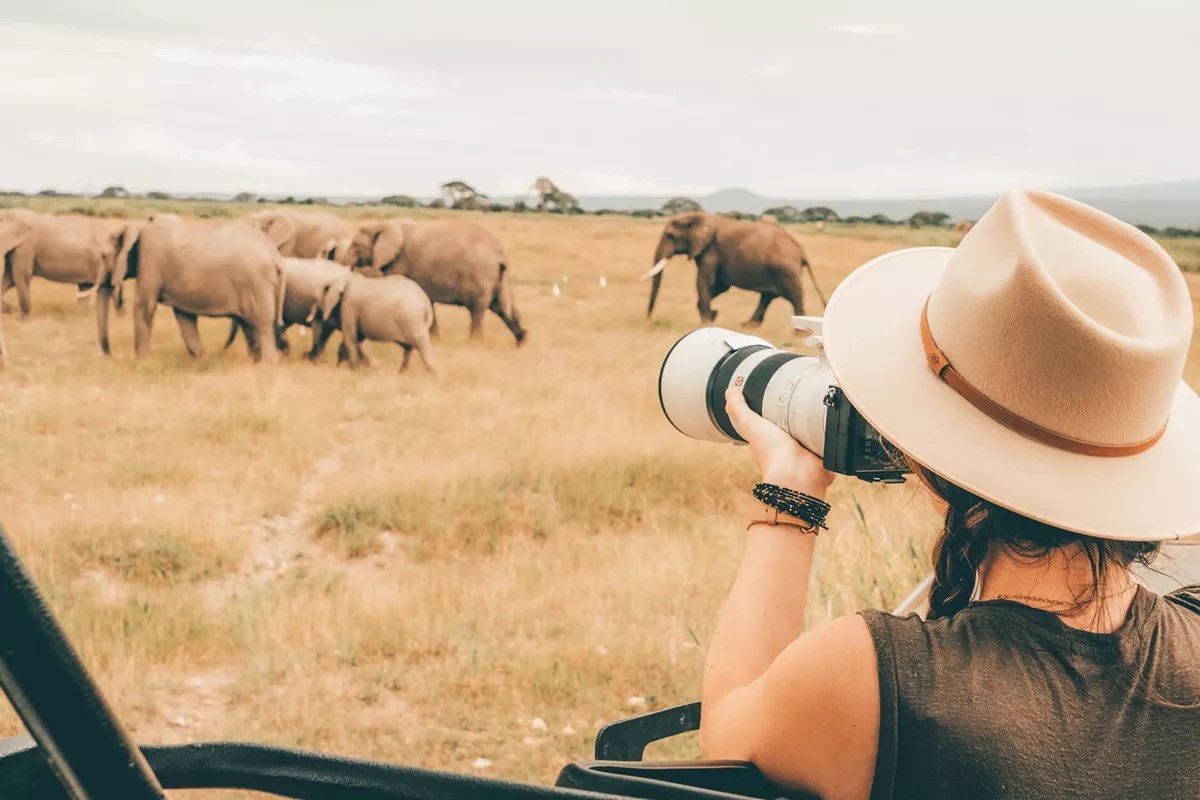
Large herbivore populations have also recovered dramatically. Buffalo herds that were nearly extinct in some areas now number in the thousands. Elephant populations in certain reserves have grown so successfully that managed relocations to other areas have become necessary. These visible success stories create unforgettable safari experiences where travelers can observe thriving ecosystems rather than struggling wildlife populations.
Malaria-Free Safari Destinations

Eastern Cape Game Reserves Without Malaria Risk
The Eastern Cape stands out as the crown jewel for first-time safari South Africa experiences, offering world-class wildlife viewing without any malaria concerns. Game reserves like Addo Elephant National Park, Shamwari Private Game Reserve, and Pumba Private Game Reserve provide incredible Big Five encounters in completely malaria-free environments. These malaria-free safari destinations house massive elephant herds, endangered black rhinos, and thriving lion populations that rival any traditional safari destination.
Addo Elephant National Park, just an hour from Port Elizabeth, protects over 600 elephants alongside buffalo, lions, leopards, and the rare flightless dung beetle. The park’s malaria-free status makes it perfect for families with young children or travelers with health concerns. Shamwari Private Game Reserve spans 25,000 hectares of pristine wilderness where guests can spot cheetahs, white rhinos, and over 200 bird species without taking a single malaria tablet.
Winter Season Safety in All Regions
Winter months (May through September) transform even traditionally malaria-risk areas into safer destinations for beginner-friendly African safari experiences. Mosquito activity drops dramatically during these cooler, drier months, reducing malaria transmission risk to practically zero across most South Africa game reserves. The Kruger National Park region, typically requiring malaria precautions, becomes much safer during winter safari seasons.
Temperatures during winter safaris hover between 60-75°F during the day, creating perfect conditions for game viewing while keeping mosquito populations at bay. This seasonal advantage means travelers can explore iconic destinations like the Greater Kruger area with significantly reduced health risks, making winter the ideal time for nervous first-timers to experience African wildlife.
Reduced Health Preparation Requirements
South Africa safari for beginners becomes infinitely simpler when malaria prophylaxis isn’t required. Travelers visiting malaria-free regions can skip expensive anti-malarial medications, avoid potential side effects like nausea or vivid dreams, and eliminate complex dosing schedules that start weeks before departure. This simplification removes a major barrier for families and hesitant travelers considering their first African adventure.
Standard travel health preparations for malaria-free areas include basic vaccinations like hepatitis A and tetanus updates, which most travelers already maintain. Travel insurance becomes more affordable without malaria coverage requirements, and packing lists shrink without mosquito nets, repellents, and long-sleeved clothing for evening protection. This streamlined preparation process makes South Africa wildlife tours accessible to travelers who might otherwise feel overwhelmed by extensive health precautions.
Diverse Accommodation Styles

Luxury Safari Lodges with Full Service
Premium safari lodges across South Africa deliver five-star experiences that pamper first-time safari guests without sacrificing authentic wildlife encounters. These establishments typically feature spacious suites with private decks overlooking watering holes, where elephants and antelope gather at dawn. Experienced chefs prepare gourmet meals using local ingredients, while dedicated rangers guide twice-daily game drives in open-air vehicles equipped with blankets and refreshments.
Properties like those in Sabi Sands and Timbavati offer butler service, spa treatments, and wine cellars stocked with award-winning South African vintages. Many luxury lodges include all meals, beverages, and game activities in their rates, making budget planning straightforward for first-time safari South Africa visitors. The staff-to-guest ratios often reach 3:1, ensuring personalized attention throughout your stay.
Self-Catering Rest Camps for Independence
Kruger National Park’s rest camps provide excellent value for travelers who enjoy cooking their own meals and exploring at their own pace. These government-operated facilities offer clean, comfortable accommodations ranging from basic rondavels to family cottages with fully equipped kitchens. Each camp features shops stocking essentials, restaurants, and fuel stations.
Affordable safari South Africa options like Berg-en-Dal and Skukuza camps allow visitors to self-drive through the park, stopping wherever wildlife sightings occur. Kitchen facilities include refrigerators, stovetops, and braai (barbecue) areas where families can prepare traditional South African meals while sharing the day’s animal encounters. This independence appeals to budget-conscious travelers who want flexibility in their daily schedules.
Glamping Options Combining Comfort with Adventure
Glamorous camping sites bridge the gap between luxury lodges and traditional camping, offering canvas tents with real beds, private bathrooms, and elevated wooden decks. These eco-friendly accommodations maintain the authentic safari atmosphere while providing modern comforts like electricity and hot water.
Popular glamping destinations in the Greater Kruger area feature tented camps with shared dining facilities and guided activities. Guests sleep under canvas while listening to lions roar in the distance, yet wake up to fresh linens and proper coffee. Many sites offer communal fire pits where travelers share stories under star-filled African skies, creating memorable social experiences perfect for beginner-friendly African safari adventures.
Strategic Location and Accessibility

Direct international flight connections
South Africa enjoys excellent connectivity with major international airports, making it surprisingly easy for first-time safari travelers to reach their wildlife adventure. Cape Town and Johannesburg both serve as primary gateways, with direct flights available from major cities across Europe, North America, Asia, and the Middle East. This eliminates the hassle of multiple connections that plague many other African safari destinations.
Airlines like South African Airways, Emirates, Qatar Airways, and British Airways operate regular services, providing comfortable journey options for travelers from virtually anywhere in the world. The flight infrastructure means you can land in Johannesburg in the morning and be watching elephants in Kruger National Park by afternoon, or arrive in Cape Town and head straight to nearby game reserves without lengthy overland transfers.
Multiple safari regions within driving distance
The beauty of choosing South Africa for your first-time safari lies in the incredible concentration of premier wildlife destinations within reasonable driving distances. Kruger National Park, spanning nearly 20,000 square kilometers, sits just a few hours’ drive from Johannesburg. Private reserves like Sabi Sands and Timbavati border Kruger, offering luxury safari experiences within easy reach.
The Western Cape provides another cluster of excellent South Africa game reserves, including Aquila Private Game Reserve and Inverdoorn Game Reserve, both accessible within two hours of Cape Town. The Eastern Cape boasts malaria-free safari destinations like Addo Elephant National Park and numerous private reserves around Port Elizabeth, perfect for families and health-conscious travelers.
KwaZulu-Natal offers Hluhluwe-iMfolozi Park, famous for rhino conservation, plus the dramatic Drakensberg Mountains. This geographic diversity means you can experience different ecosystems, from bushveld to fynbos, without crossing international borders or dealing with complex visa requirements.
Easy combination with other travel destinations
South Africa’s position makes it perfect for combining safari adventures with other incredible experiences. Cape Town, consistently ranked among the world’s most beautiful cities, offers wine tours, Table Mountain, and stunning coastal drives. Many South Africa safari packages cleverly combine wildlife viewing with urban exploration and cultural experiences.
The country’s well-developed tourism infrastructure allows seamless transitions between safari lodges, cosmopolitan cities, and scenic coastal towns. You might spend three days tracking the Big Five, then enjoy wine tasting in Stellenbosch, followed by penguin watching at Boulders Beach. This variety ensures every family member finds something captivating, making South Africa ideal for mixed-interest travel groups.
Neighboring countries like Botswana, Namibia, and Zimbabwe are easily accessible for travelers wanting to extend their African adventure, but many visitors discover that South Africa alone offers enough diversity to fill multiple trips.
Efficient domestic transportation networks
The domestic transportation system in South Africa surpasses most African destinations, making it exceptionally suitable for beginner-friendly African safari experiences. Major car rental companies operate throughout the country with well-maintained fleets and comprehensive insurance options. Roads connecting main safari areas are generally excellent, with clear signage and regular service stations.
For those preferring not to drive, scheduled shuttle services connect airports with major game reserves, while many lodges offer transfer services. Domestic flights link major cities efficiently, allowing you to maximize your time in different regions rather than spending days in transit.
The country’s tourism infrastructure includes reliable GPS coverage, English-language road signs, and established emergency services. This reliability removes much of the uncertainty that can intimidate first-time safari visitors, allowing them to focus on the incredible wildlife experiences rather than worrying about logistics and transportation challenges.
Cultural Integration Opportunities

Local Community Village Visits
Community-based tourism experiences set South Africa safari for beginners apart from other African destinations. Many game reserves partner with nearby villages to offer authentic cultural exchanges that benefit local communities directly. These visits typically include guided walks through traditional homesteads, storytelling sessions with village elders, and demonstrations of daily life activities like traditional farming methods or livestock herding.
The Makuleke people near Kruger National Park offer particularly enriching experiences, sharing their ancestral connection to the land and their role in modern conservation efforts. Visitors learn about traditional medicinal plants, participate in craft-making workshops, and hear firsthand accounts of how communities have transformed from subsistence living to eco-tourism partnerships.
Traditional Cuisine Experiences
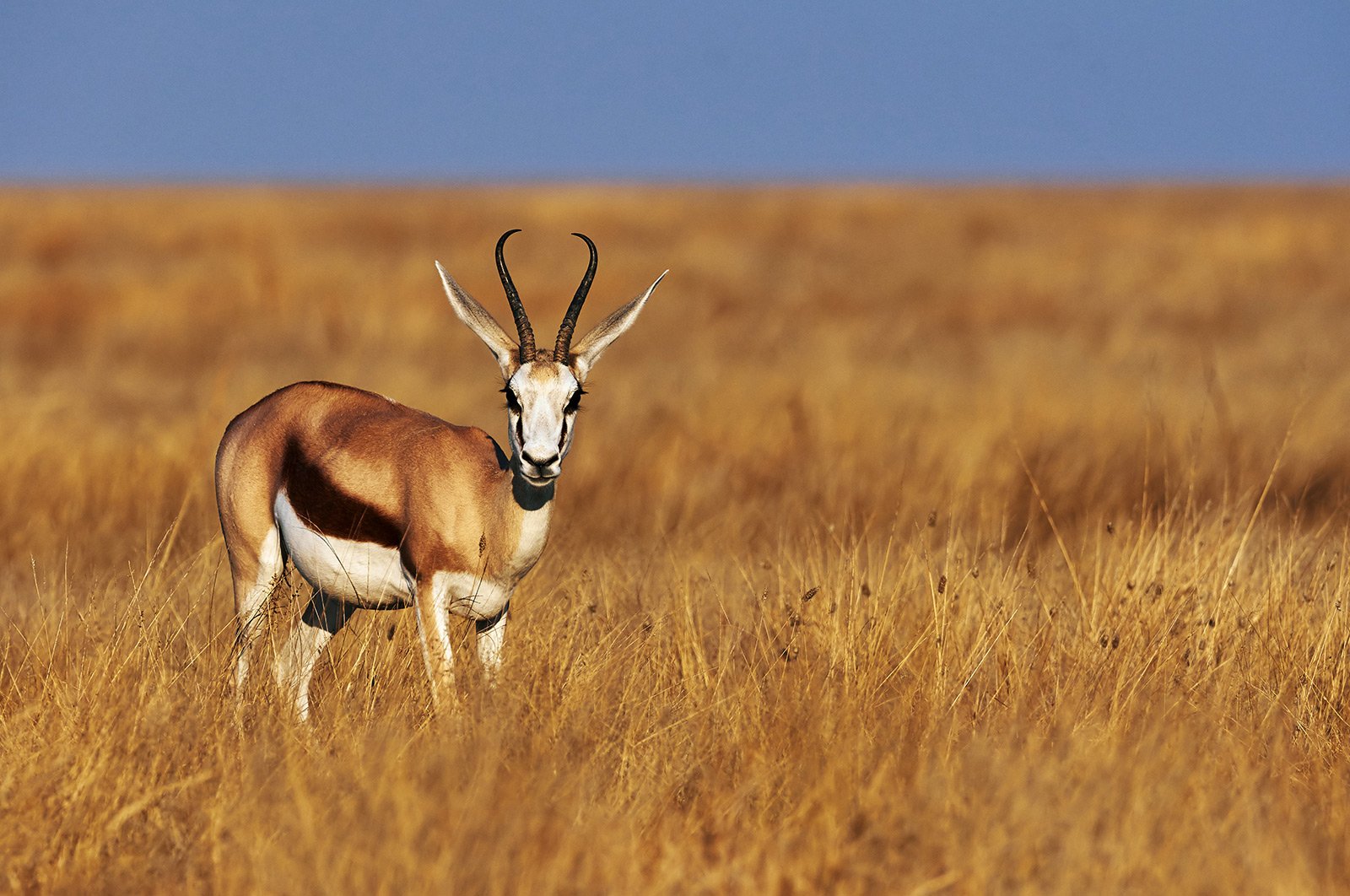
Food connects cultures like nothing else, and South Africa’s diverse culinary landscape reflects its rainbow nation heritage. Safari lodges frequently organize traditional braai (barbecue) evenings where guests sample game meats like kudu, springbok, and ostrich alongside staple dishes such as pap (maize porridge), morogo (wild spinens), and boerewors sausages.
Many first-time safari South Africa experiences include cooking classes where local chefs teach visitors to prepare traditional dishes using indigenous ingredients. The Cape Malay cuisine around private reserves near Cape Town showcases the fusion of African, Dutch, and Malaysian influences through aromatic curries and sweet treats like koeksisters.
Historical Site Exploration
South Africa’s complex history creates powerful learning opportunities for safari travelers. The Cradle of Humankind near Johannesburg combines wildlife experiences with paleontological discoveries, where visitors explore caves containing some of humanity’s earliest fossils.
Battlefields in KwaZulu-Natal tell stories of Zulu wars and Anglo-Boer conflicts, while nearby game reserves offer excellent wildlife viewing. The integration of historical context with safari experiences helps travelers understand how past events shaped current conservation efforts and community relationships with wildlife.
Arts and Crafts Interactions
Local artisan workshops provide hands-on cultural experiences that make perfect safari souvenirs with meaning. Ndebele villages near some South Africa game reserves welcome visitors to learn traditional geometric painting techniques used to decorate homes and pottery.
Woodcarving demonstrations show how artists transform indigenous woods like yellowwood and stinkwood into intricate animal sculptures. Beadwork sessions teach the symbolic meanings behind color patterns used in Zulu and Xhosa jewelry, while wire art workshops in townships demonstrate how recycled materials become stunning sculptures and functional items.
These artistic interactions support local economies while giving visitors deeper appreciation for South African creativity and cultural expression beyond the wildlife experience.
Proven Safety and Reliability Record

Established Emergency Response Systems
South Africa’s safari destinations operate with sophisticated emergency response networks that rival those found in developed countries. The South African National Defence Force maintains helicopter rescue units specifically trained for wildlife area emergencies, while private medical evacuation services like ER24 and Netcare 911 provide rapid response capabilities to remote game reserves.
Most established game reserves maintain direct communication links with regional hospitals and trauma centers. Kruger National Park, for example, has strategically positioned emergency stations throughout its vast territory, with response teams capable of reaching any location within 30 minutes. These systems extend beyond medical emergencies to include anti-poaching units and specialized wildlife incident response teams.
The country’s emergency services operate on standardized protocols that English-speaking safari guides are thoroughly trained to navigate, making communication during critical situations seamless for international visitors.
Experienced Ranger and Guide Networks
The ranger and guide community in South Africa represents decades of accumulated expertise, creating an unmatched safety net for first-time safari South Africa visitors. Professional guides undergo rigorous certification through the Field Guides Association of Southern Africa (FGASA), requiring extensive training in wildlife behavior, emergency first aid, and risk management.
These professionals average 15-20 years of experience in the field, with many having worked across multiple reserves and encountered virtually every possible safari scenario. Their deep understanding of animal behavior patterns allows them to predict and prevent potentially dangerous situations before they develop.
South Africa game reserves maintain strict guide-to-guest ratios, typically limiting groups to eight people per guide to ensure personalized attention and safety monitoring. This experienced network creates multiple layers of protection, as guides regularly communicate with each other about wildlife movements, weather conditions, and potential hazards throughout the day.
Comprehensive Insurance and Medical Facilities
South Africa’s tourism infrastructure includes world-class medical facilities strategically located near major safari destinations. Private hospitals in cities like Nelspruit (near Kruger) and Hoedspruit maintain specialized units for treating wildlife-related injuries and tropical illnesses, staffed by doctors experienced in safari medicine.
Beginner-friendly African safari operators typically include comprehensive medical insurance in their packages, covering emergency evacuations, specialist treatments, and repatriation if necessary. The country’s medical insurance systems are internationally recognized, with many facilities accepting direct billing from major international insurance providers.
Remote lodges maintain fully equipped medical stations with satellite communication systems, defibrillators, and emergency medications. Many employ qualified nurses or paramedics on-site, providing immediate care while arranging transfers to larger facilities when needed.
Tourist-Friendly Legal and Support Frameworks
South Africa’s legal system provides robust protections for international visitors, with specialized tourism police units operating in major safari areas. The Tourism Business Council of South Africa maintains 24/7 support hotlines for travelers experiencing difficulties, while the Department of International Relations offers consular assistance coordination.
The country’s tourism regulations require all South Africa safari for beginners operators to maintain specific insurance coverage and safety certifications. Licensed operators must demonstrate compliance with strict safety protocols, vehicle maintenance standards, and guide qualification requirements.
Legal frameworks protect tourists from fraudulent operators through licensing systems that are regularly audited. The South African Tourism Board maintains publicly accessible databases of certified operators, making it easy for best safari destination for first timers to verify their chosen tour company’s credentials and safety record before booking.

South Africa stands out as the ideal gateway to African safari adventures, offering everything first-timers need for an unforgettable experience. From incredible wildlife viewing and malaria-free destinations to English-speaking guides and world-class infrastructure, the country removes common barriers that might intimidate newcomers to safari travel. The range of budget-friendly options and diverse accommodations means you can tailor your trip to match your comfort level and spending preferences.
Your first safari should be magical, not stressful, and South Africa delivers on that promise. The country’s proven track record for safety, combined with its strategic location and rich cultural experiences, creates the perfect foundation for your African adventure. Start planning your South African safari today – your future self will thank you for choosing a destination that makes your first wildlife encounter both accessible and extraordinary.